News

  • On this day in 1962: first Peppercorn class A1 withdrawn

    On this day in 1962: first Peppercorn class A1 withdrawn

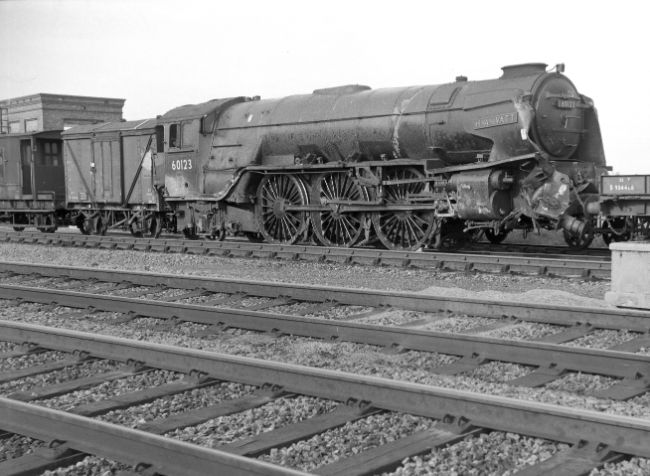
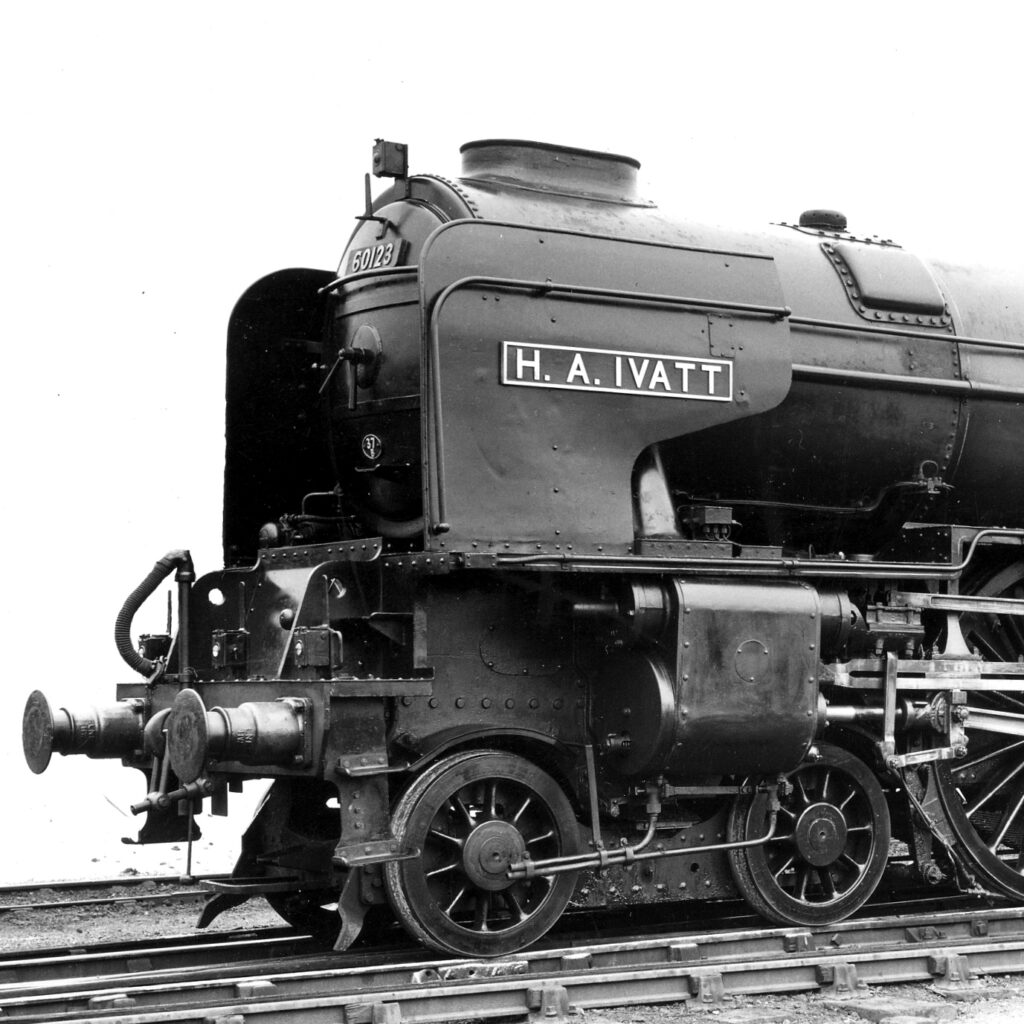
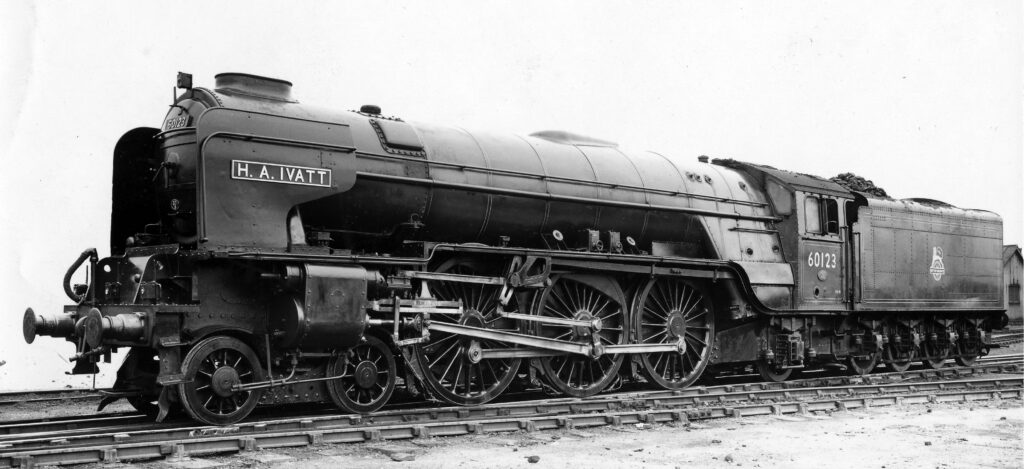
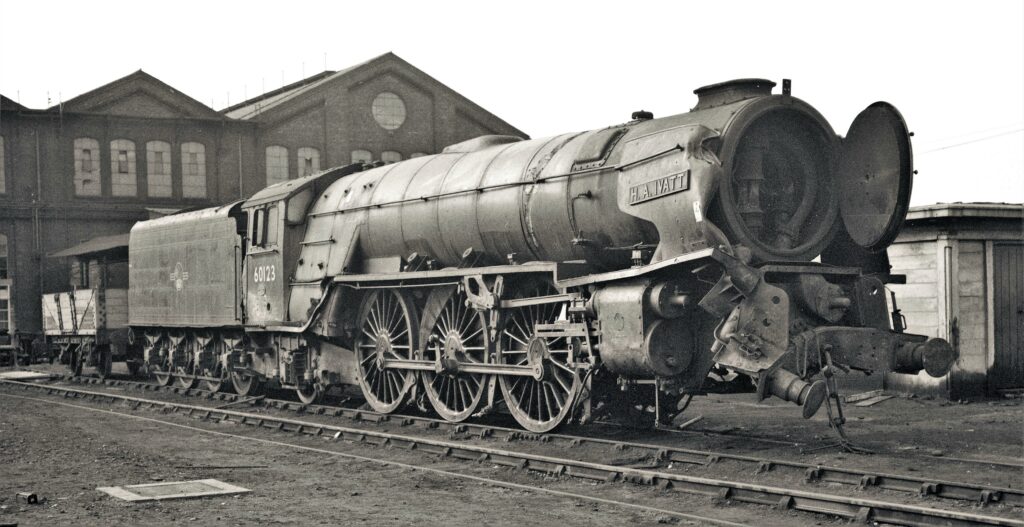
    On this day in 1962 the first Peppercorn class A1 was withdrawn. Sixty-four years ago, on 1 October, No. 60123 H. A. Ivatt was condemned at Doncaster, barely three weeks after it had been badly damaged in a derailment at Offord on 7 September while working the 08:20hrs King’s Cross Goods to Leeds.

    Built at Doncaster as works No. 2040 and put into traffic on 10 February 1949, it was named in July 1951 for Henry Ivatt, the last Chief Mechanical Engineer of the Great Northern Railway, and spent its career on the East Coast Main Line from Doncaster, Grantham, Copley Hill and Ardsley.

    Its service life was only thirteen years and seven months, one of the shortest of the class, and it was the first of Arthur Peppercorn’s class A1s to be condemned. Cut up at the works where it had been built, it was last reported in the yard on 14 October 1962.

    The anniversary is a reminder that the post-war ‘Pacifics’, successors to Gresley’s class A3s and class A4s, disappeared almost as quickly as they had arrived – and that not one of the original forty-nine class A1s survived. Thankfully The A1 Steam Locomotive Trust completed No. 60163 Tornado in 2008 which fills the gap.

  • On this day in 1935: the inaugural run of ‘The Silver Jubilee

    On this day in 1935: the inaugural run of ‘The Silver Jubilee

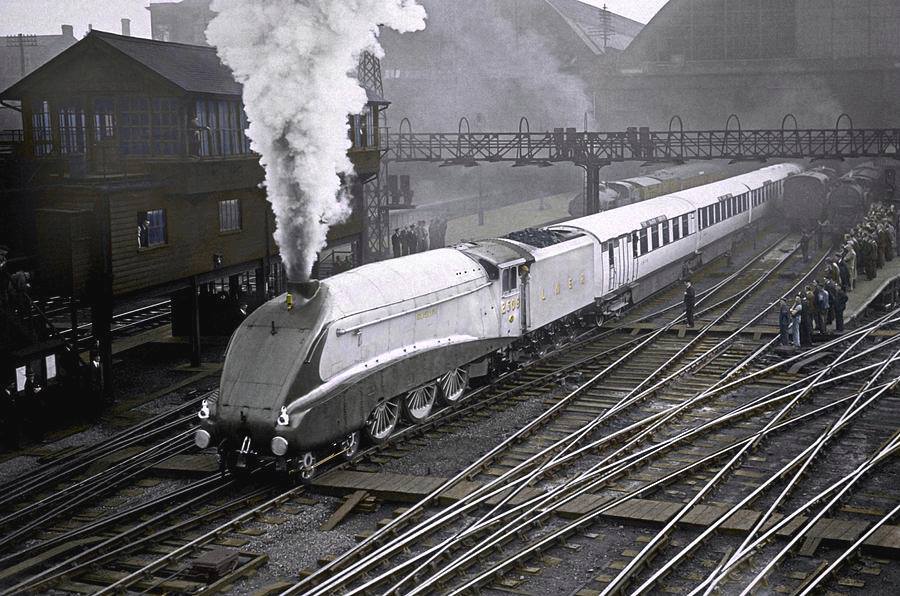
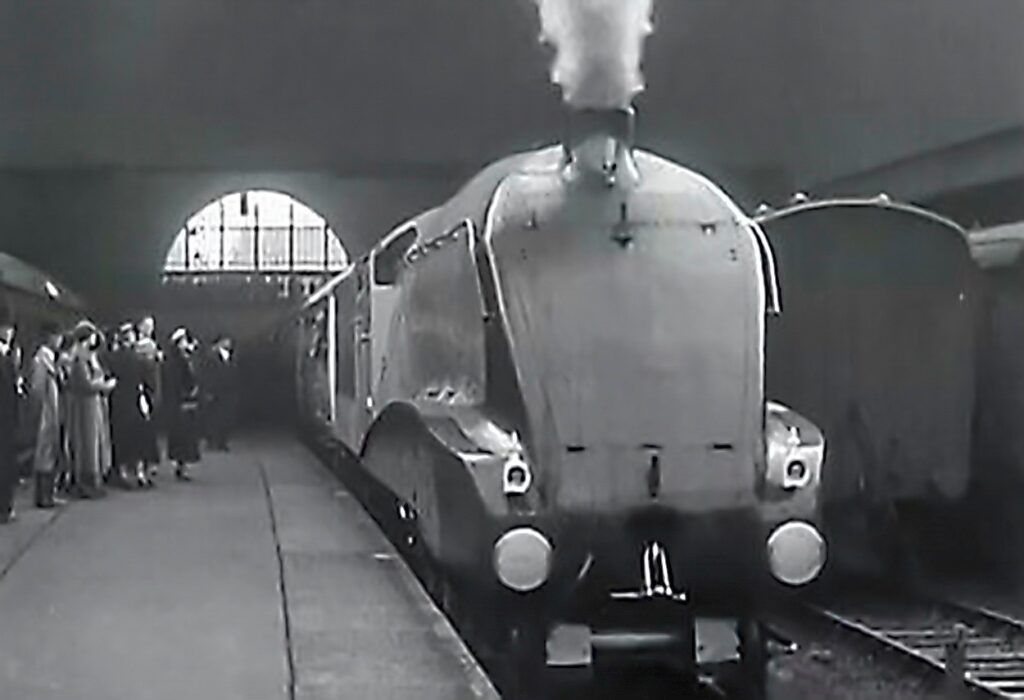
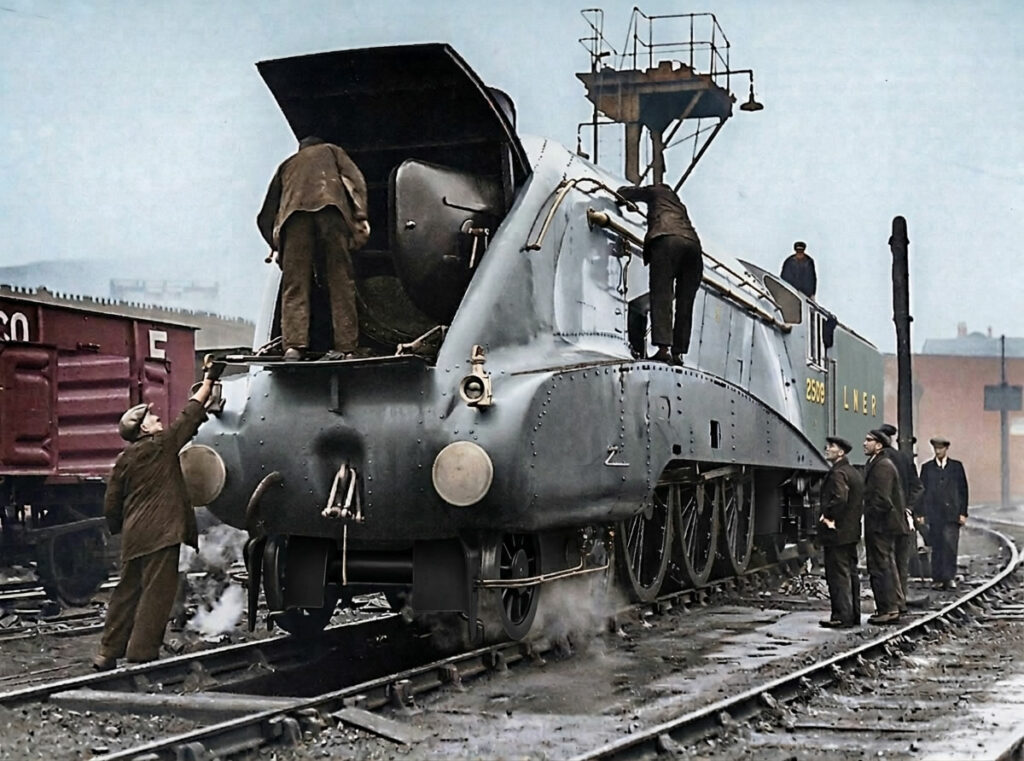
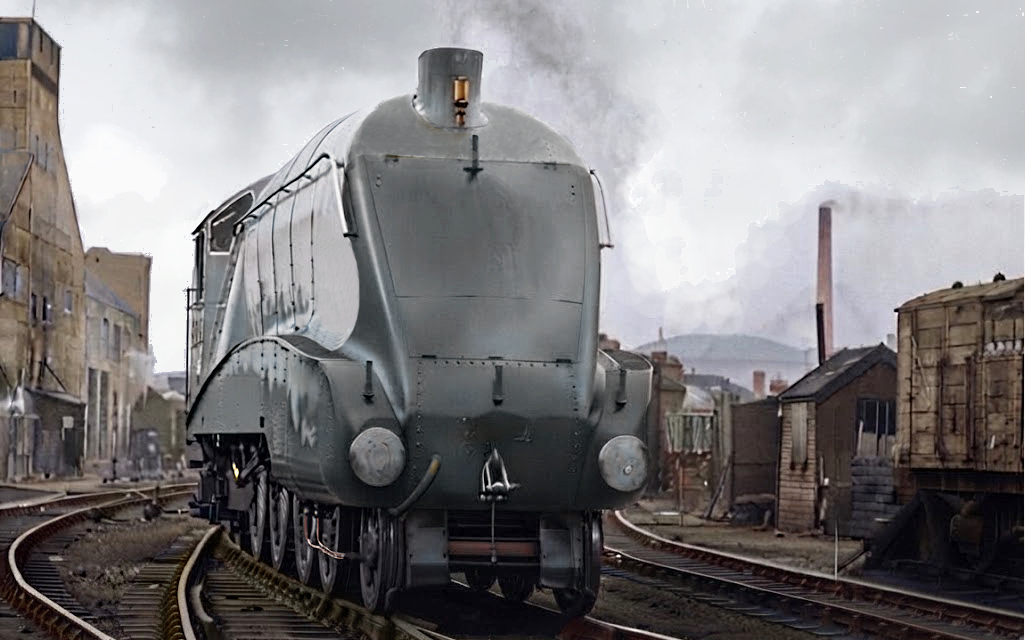
    On this day in 1935 Britain’s first streamlined train announced itself to the world. Ninety-one years ago, on 27 September, Sir Nigel Gresley’s brand-new class A4 No. 2509 Silver Link left King’s Cross with the silver-and-grey ‘Silver Jubilee’ on a press demonstration to Grantham, three days before public service began.

    Named for King George V’s jubilee year, the train was Gresley’s answer to the German ‘Fliegender Hamburger’: steam, not diesel, and elegance as well as speed.

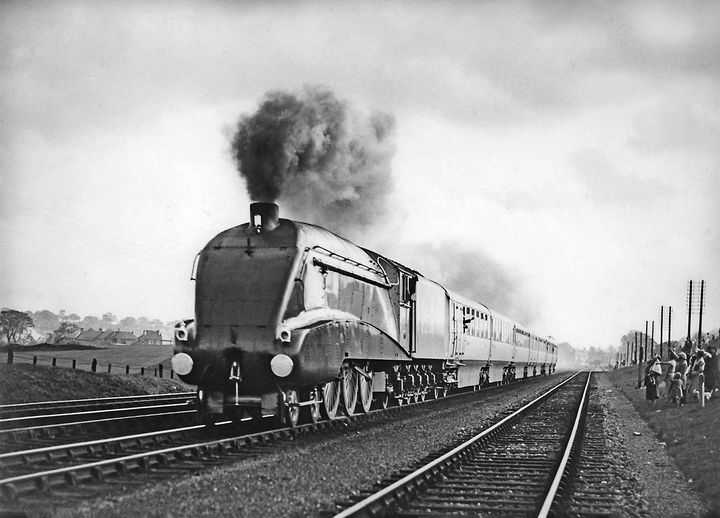
    With Driver A. J. Taylor and Fireman J. Luty on the footplate, Silver Link twice reached 112½ mph – at Arlesey and again near Sandy – the first authenticated British run above 110 mph, while drinks slid along the tables and an accompanying aeroplane struggled to keep pace.

    The scheduled four-hour King’s Cross–Newcastle service that followed on 30 September set a new standard for the East Coast Main Line and opened the brief, brilliant age of the class A4 streamliners. That demonstration run remains the moment Gresley’s “legacy of innovation, speed and elegance” first became visible at full stretch.

  • No. 1744 stars at North Norfolk 1940s weekend

    No. 1744 stars at North Norfolk 1940s weekend

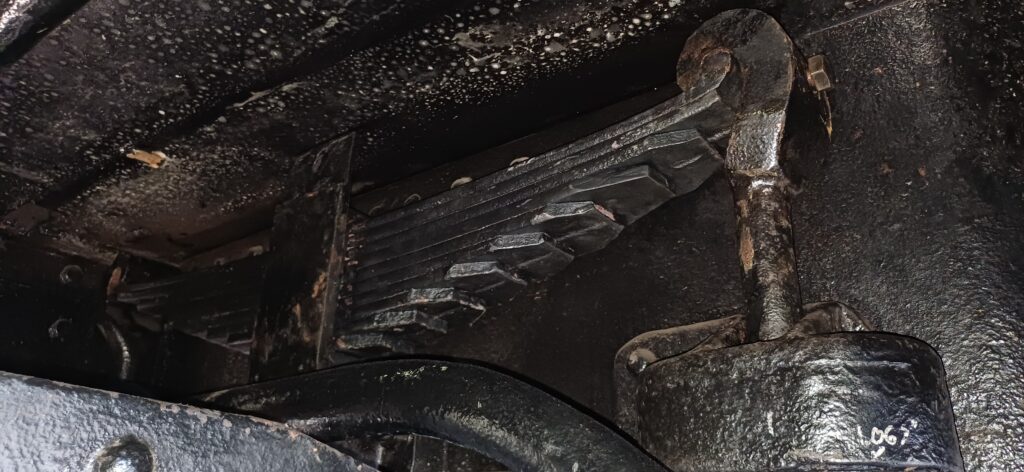
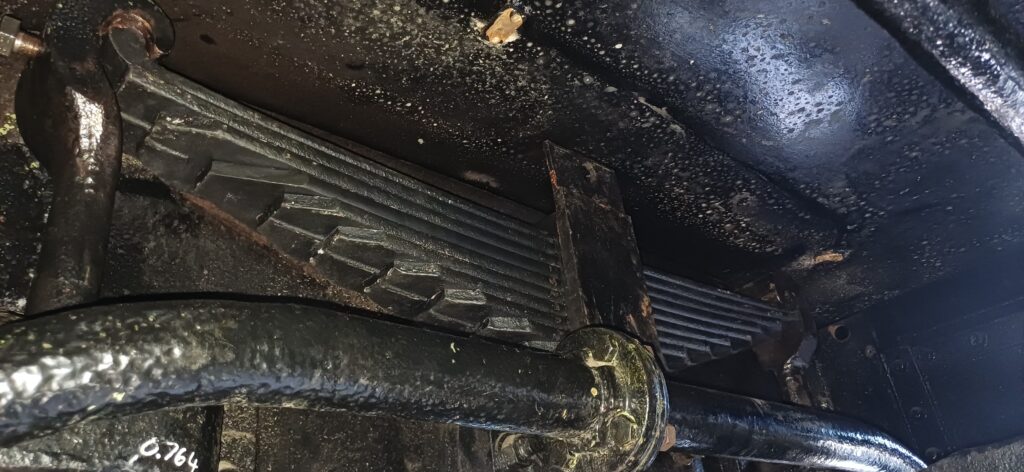
    Vacuum brake repairs and spring replaced completed in time for ‘Steam Back to the Forties’

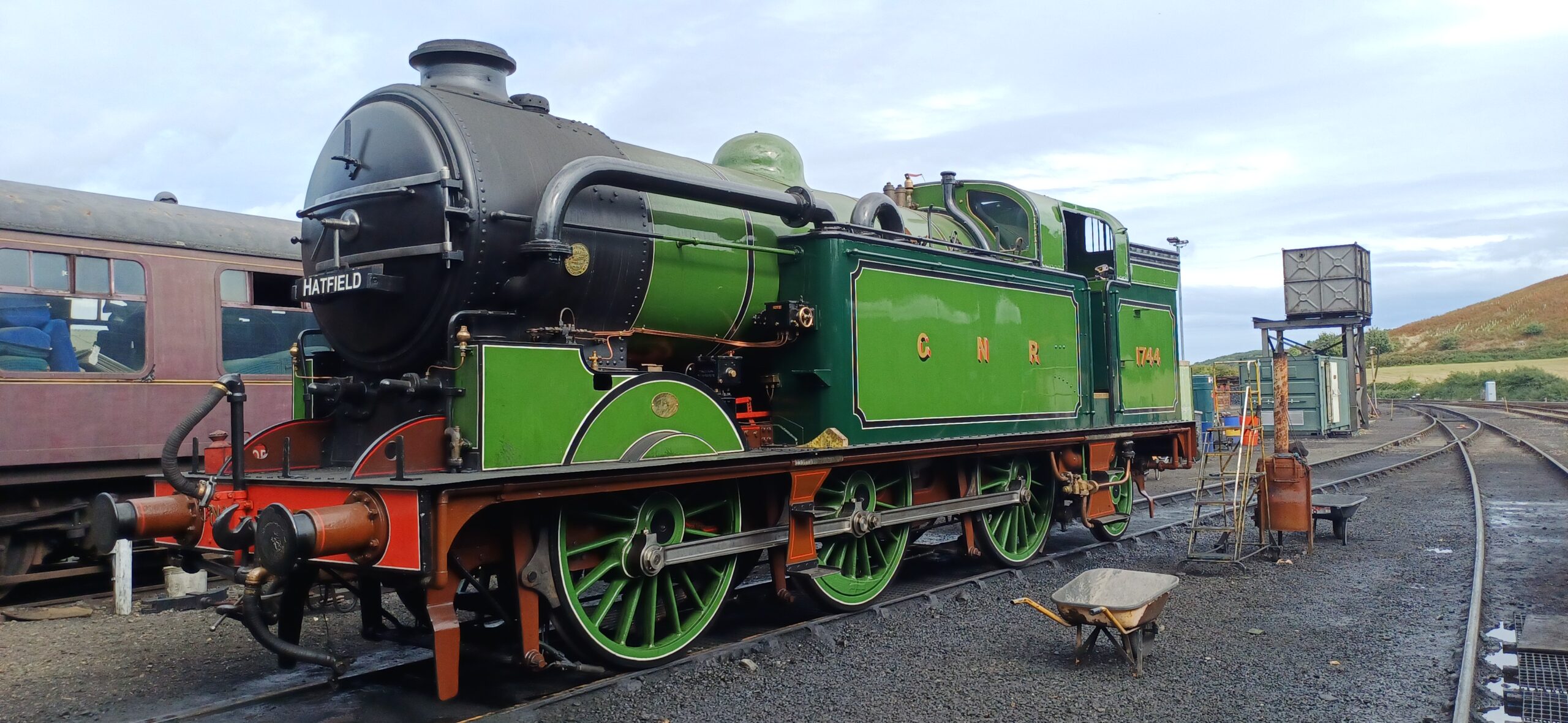
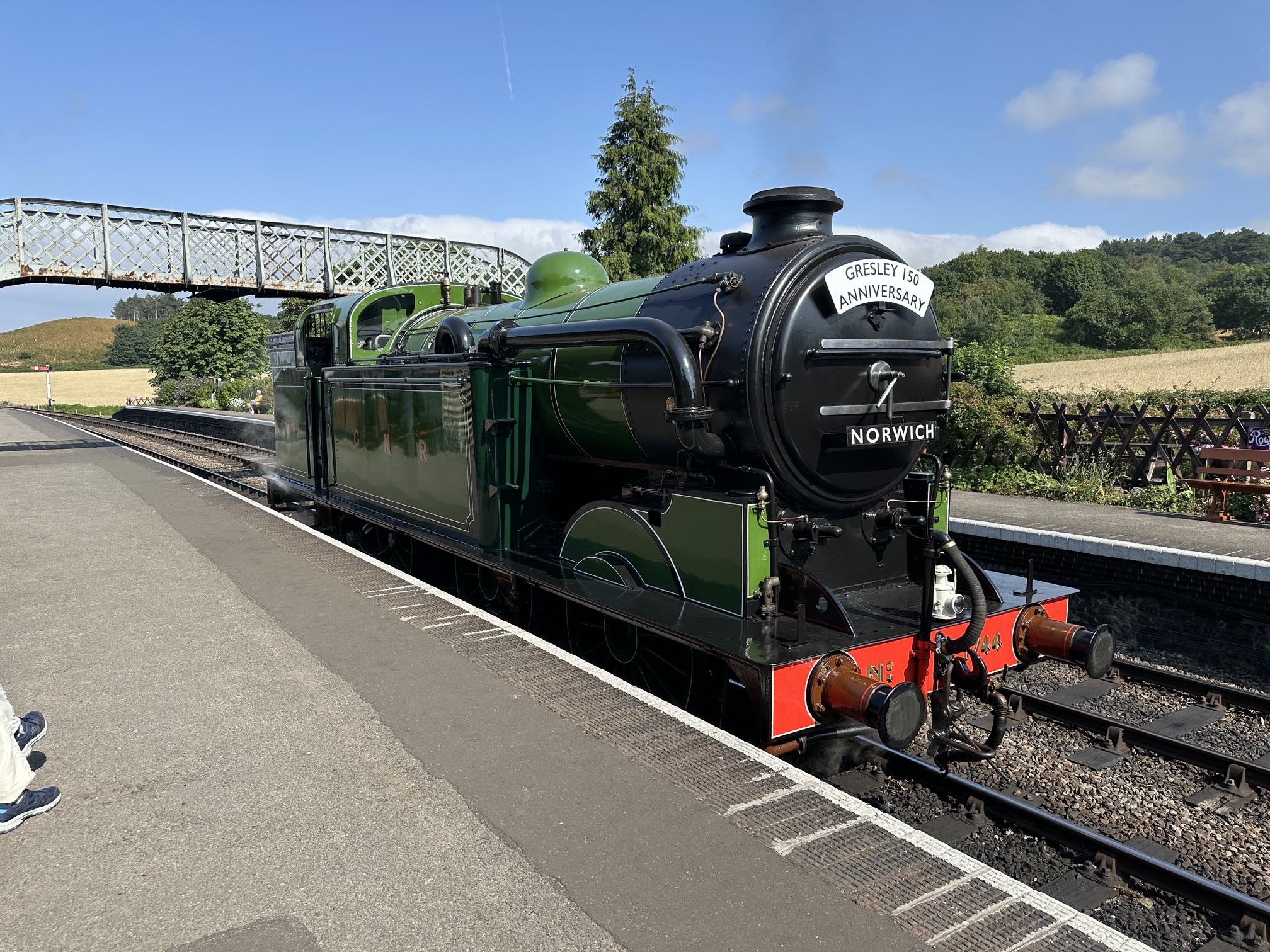
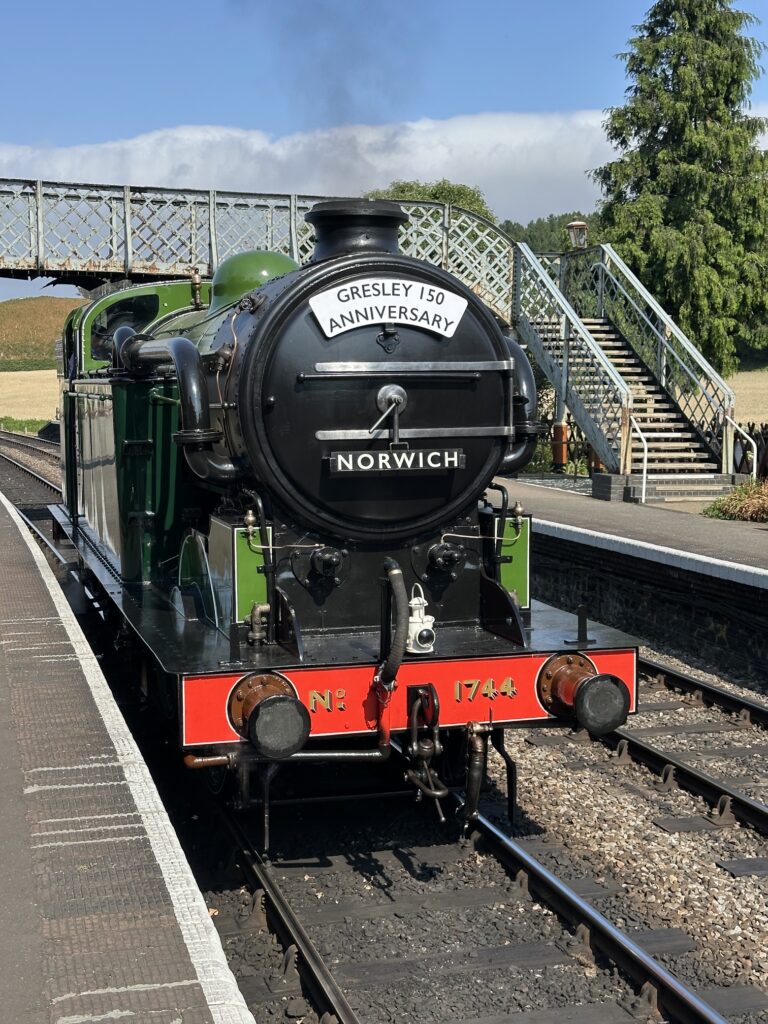
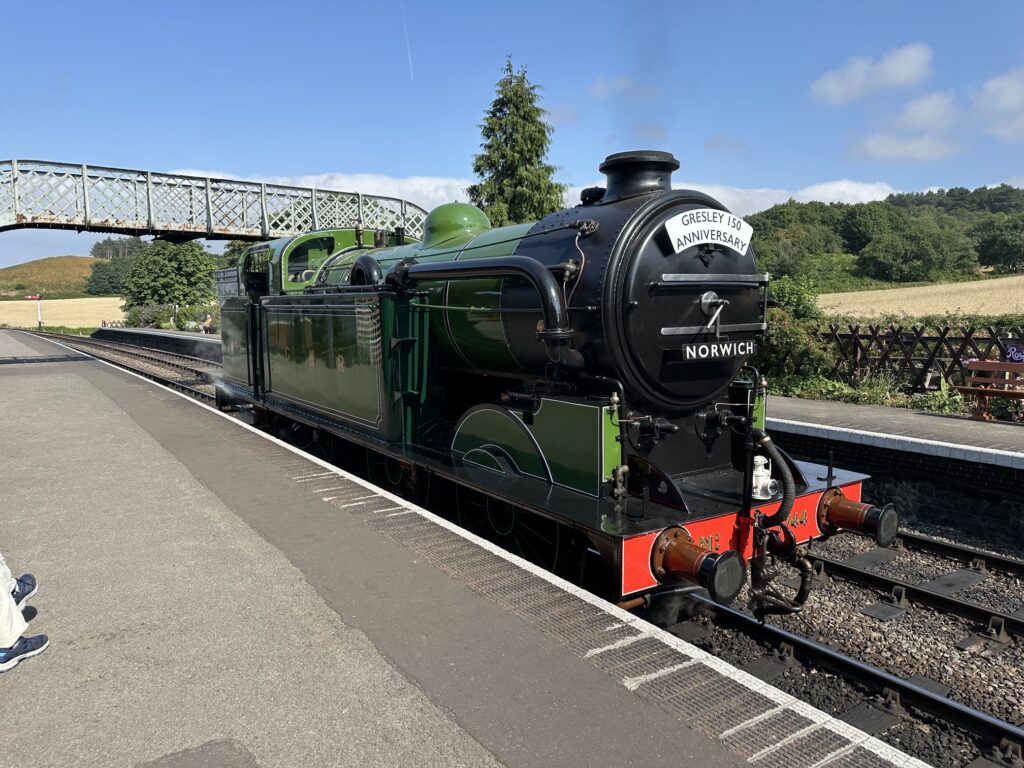
    Doncaster, UK – 27 September 2026: The Gresley Society is delighted to report that its class N2 No. 1744, Sir Nigel Gresley’s oldest surviving locomotive, has returned to traffic after running repairs and took a starring role at the North Norfolk Railway’s Steam Back to the Forties weekend on 19 and 20 September.

    No. 1744, the only remaining Gresley tank engine, re-entered service on the North Norfolk Railway in July 2026 after an eight-year overhaul costing around £800,000. In mid-September a vacuum-brake fault and a broken spring required further attention at the Railway’s Weybourne Works before the locomotive could be rostered with confidence.

    Keith Ashford C.Eng MIMechE, the Society’s Locomotive Manager, oversaw a concentrated week of work. The repaired spring was refitted and checked with the engine over the pit. Apprentices steamed the locomotive for static brake testing after the vacuum chamber was found to drop as train-pipe vacuum was reduced during a brake application. The engine was then connected to an electrically driven vacuum test pump, borrowed from the Carriage and Wagon Department, so that the chamber and train-pipe systems could be charged and a series of application tests carried out.

    Measurements of vacuum brake cylinder piston travel and brake pull-rod travel pointed to the adjustment of the brake rigging, and the clearance between the brake blocks and the tyre treads, as critical to the chamber’s behaviour. Yard steaming followed, together with an examination of the small ejector. Further in-steam tests were then carried out with Alex Harper-Bourne.

    No. 1744 was driven to Sheringham and coupled to empty coaching stock. Three return trips were made with a load of four vehicles, after which the brakes were performing quite acceptably. The locomotive worked the scheduled public passenger service on Thursday 17 September and was then available for ‘Steam Back to the Forties’.

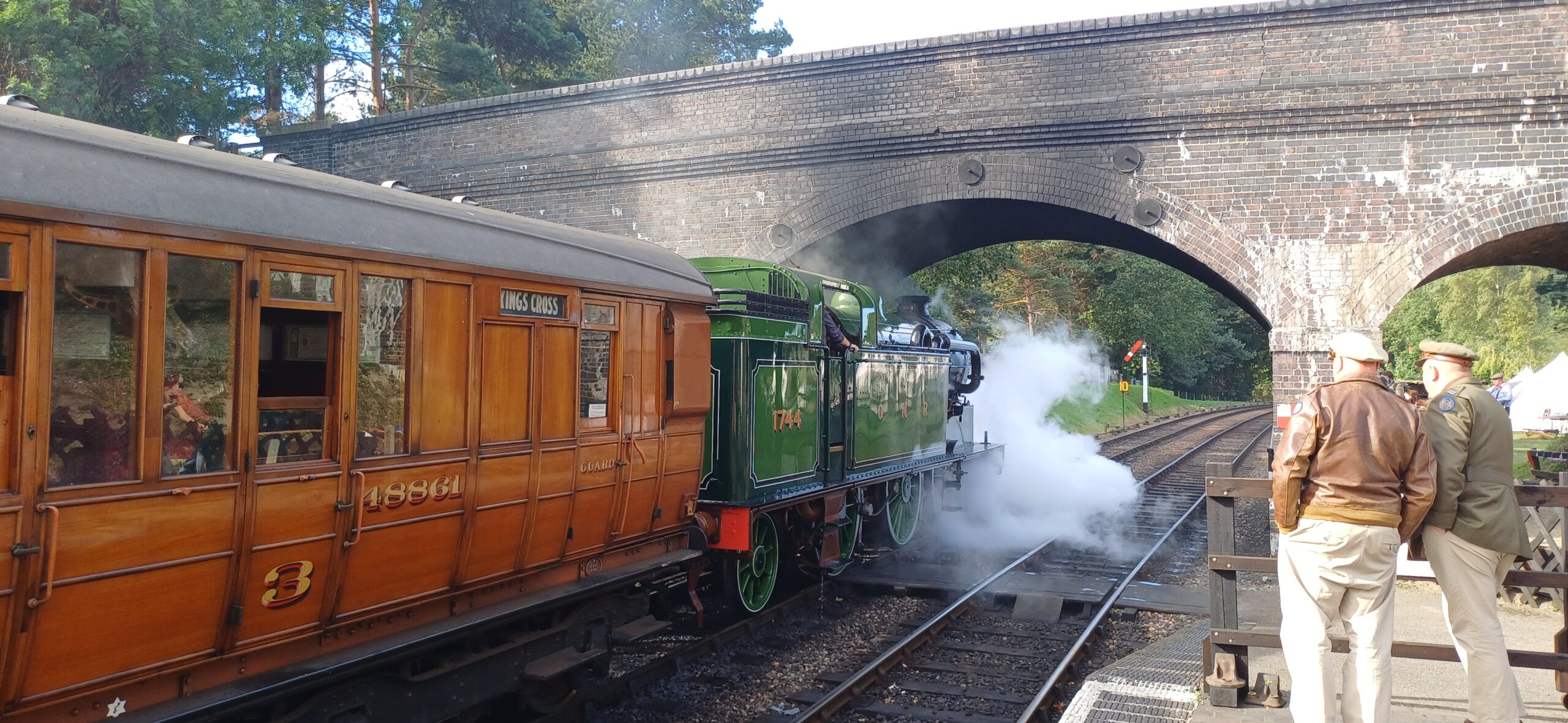
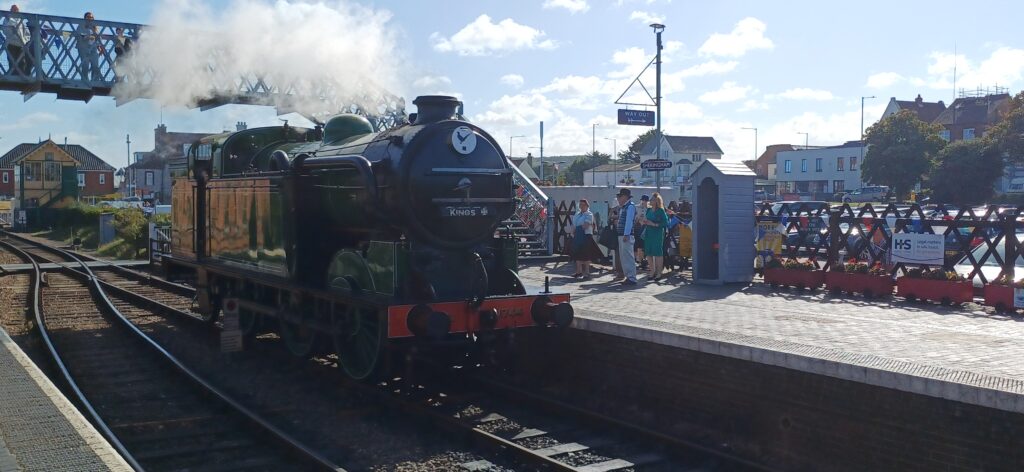
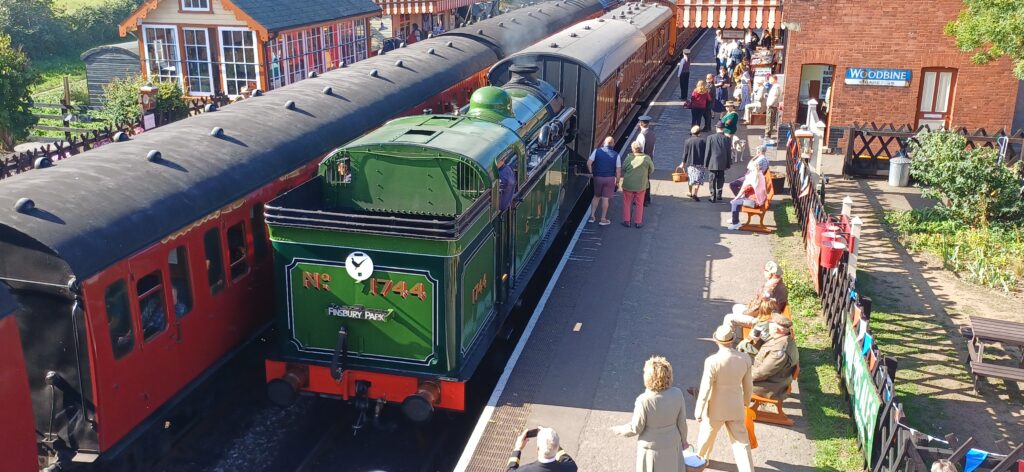
    The North Norfolk Railway advertised an all-steam line-up of five locomotives for the weekend: WD No. 90775, GWR No. 4277 Hercules, Hunslet tank engines No. 22 and Newstead, and GNR class N2 No. 1744. The event, held with the wider Sheringham 1940s celebrations, was attended by over 6,200 visitors and featured an intensive steam service between Sheringham and Holt, live music, vintage vehicles and wartime displays at the line’s stations.

    Successful running also helps the Society to repay the North Norfolk Railway, which funded completion of the overhaul on the basis that the cost would be recovered through operation of the locomotive.

    Keith Ashford C.Eng MIMechE, Locomotive Manager of The Gresley Society, said: “The vacuum brake needed careful attention before we could put the engine out with confidence. After static tests with the apprentices, yard steaming and three return trips on empty stock, the brakes were performing quite acceptably. Seeing No. 1744 back on the public service on 17 September, and then working ‘Steam Back to the Forties’ with the Quad-Art set, is exactly what we set out to achieve. Every mile she runs also helps the Society repay the North Norfolk Railway for seeing the overhaul through.”

    Graham Hukins, General Manager of the North Norfolk Railway, said: “No. 1744 is a star turn on the Poppy Line, and visitors to ‘Steam Back to the Forties’ were delighted to see Sir Nigel Gresley’s oldest surviving locomotive in the thick of a five-engine weekend. The Gresley Society has entrusted her to us for the next 25 years, and it is a pleasure to have her earning her keep once again with the M&GN’s Quad-Art set after the recent running repairs.”

  • No. 1744 ready for Steam Back to the Forties

    No. 1744 ready for Steam Back to the Forties

    Gresley class N2 No. 1744 has completed a week of vacuum brake testing at the North Norfolk Railway and is expected to work as a service locomotive at Steam Back to the Forties this weekend.

    Keith Ashford, the Society’s Locomotive Manager, reports a productive spell at Weybourne Works. The repaired spring has been refitted. The engine was examined over the pit while that work was checked.

    Apprentices had already steamed the locomotive over the previous weekend for static brake testing. The aim was to resolve an issue in which the vacuum chamber dropped as train-pipe vacuum was reduced during a brake application. The locomotive was then connected to an electrically driven vacuum test pump, borrowed from the Carriage and Wagon Department, so that the chamber and train-pipe systems could be charged and a series of application tests carried out.

    Measurements of vacuum brake cylinder piston travel and brake pull-rod travel suggest that the adjustment of the brake rigging, and the clearance between the brake blocks and the tyre treads, is critical to the chamber’s behaviour.

    A warming fire was lit, and steam was raised for yard tests of the brake characteristic and of the reported sluggish performance of the small ejector. Further in-steam yard testing followed with Alex Harper-Bourne. Those trials have given a much clearer understanding of how the vacuum brake behaves on No. 1744.

    The locomotive was then steamed again the following day and driven to Sheringham and coupled to empty coaching stock. Three return trips were made with a load of four vehicles. The brakes are now performing quite acceptably.

    No. 1744 was then used on Thursday 17th September on the scheduled public passenger service and again performed well, and is now available for the North Norfolk Railway’s Steam Back to the Forties event on Saturday 19 and Sunday 20 September. Successful running also helps the Society to repay the Railway’s support in completing the overhaul.

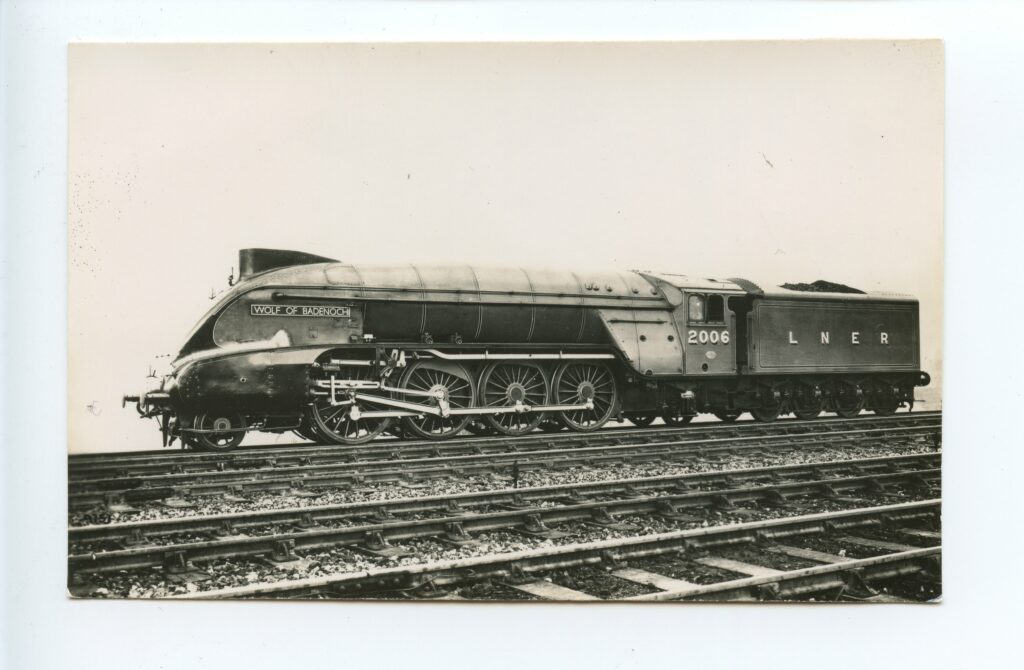
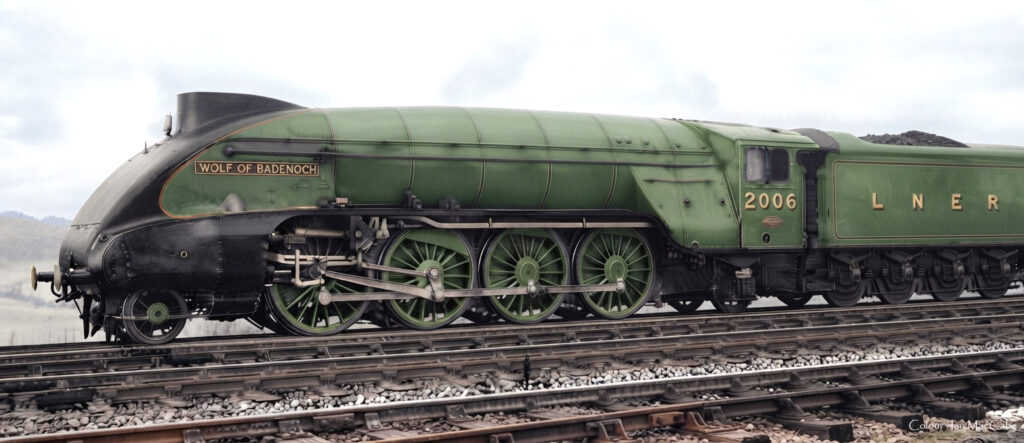
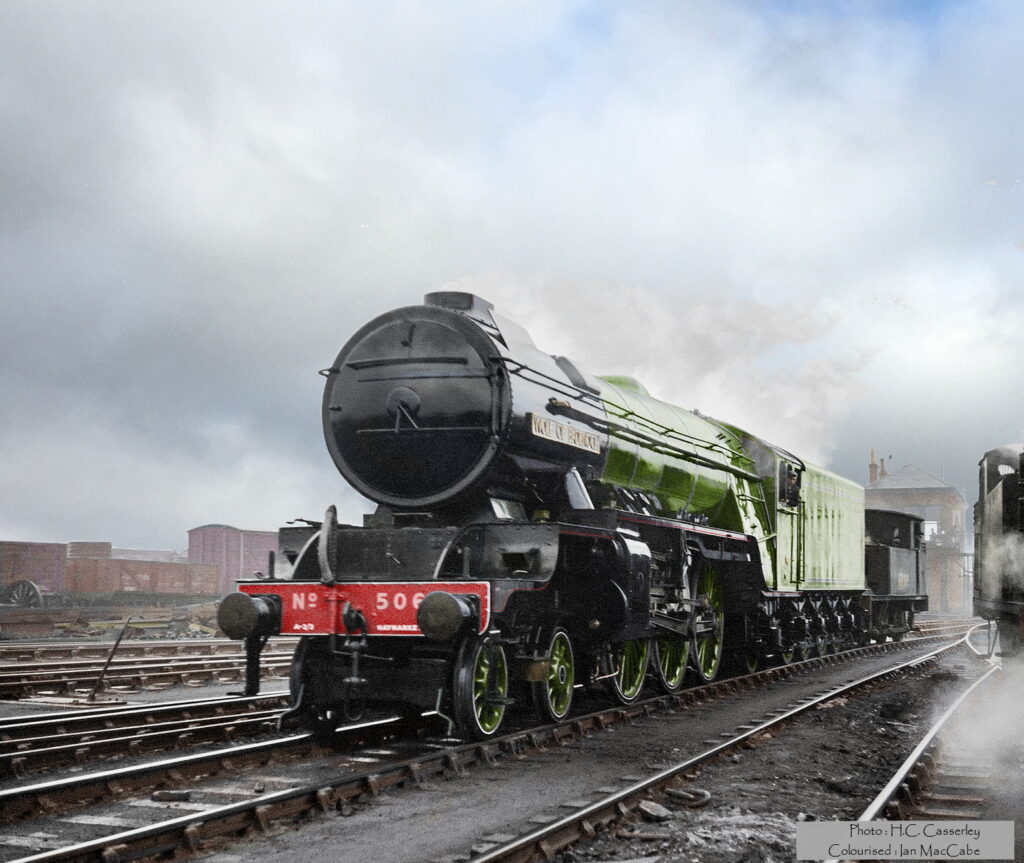
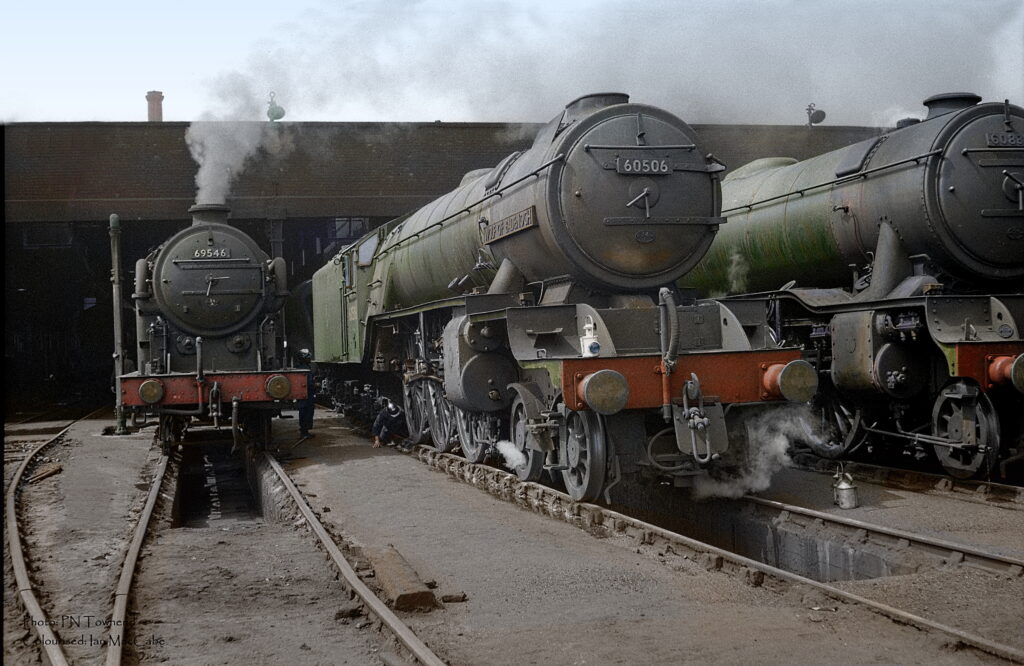
  • Image of the month: No. 2006 Wolf of Badenoch

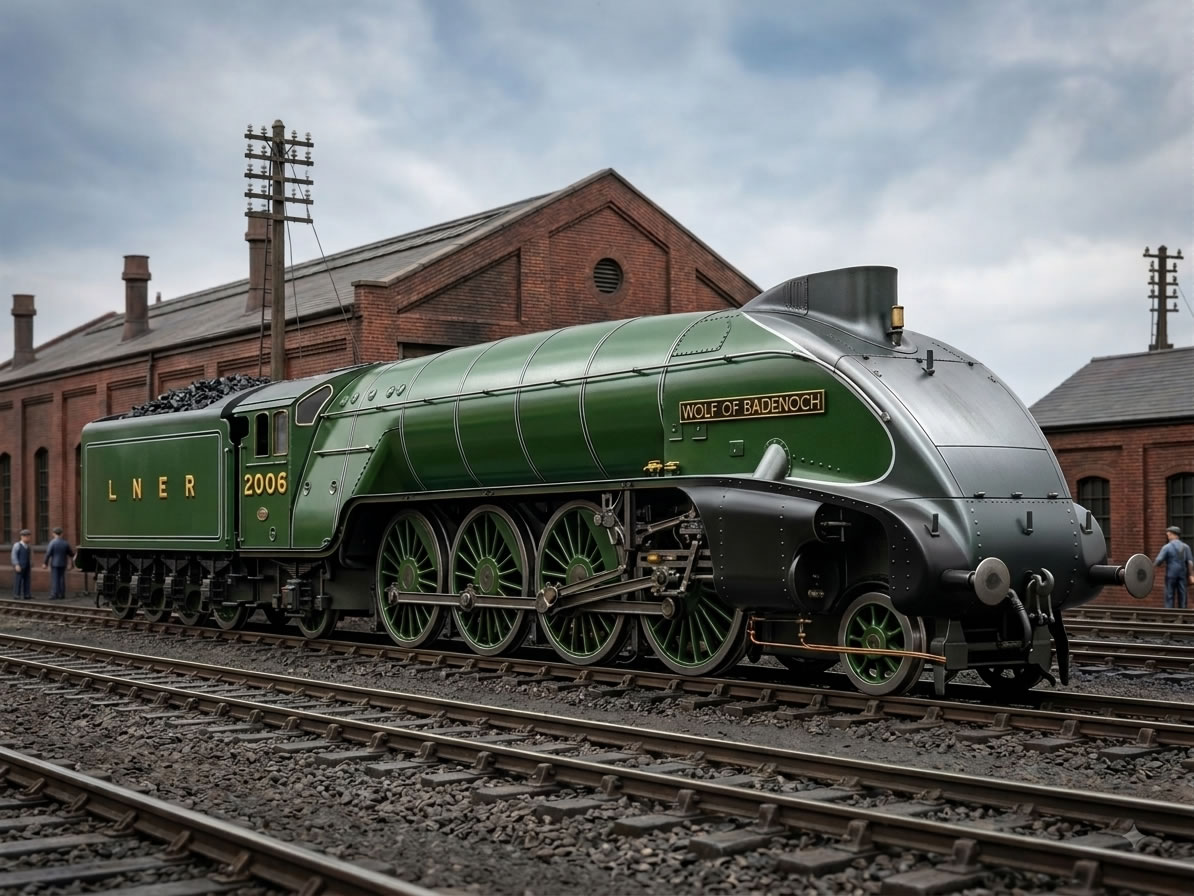
    Image of the month: No. 2006 Wolf of Badenoch

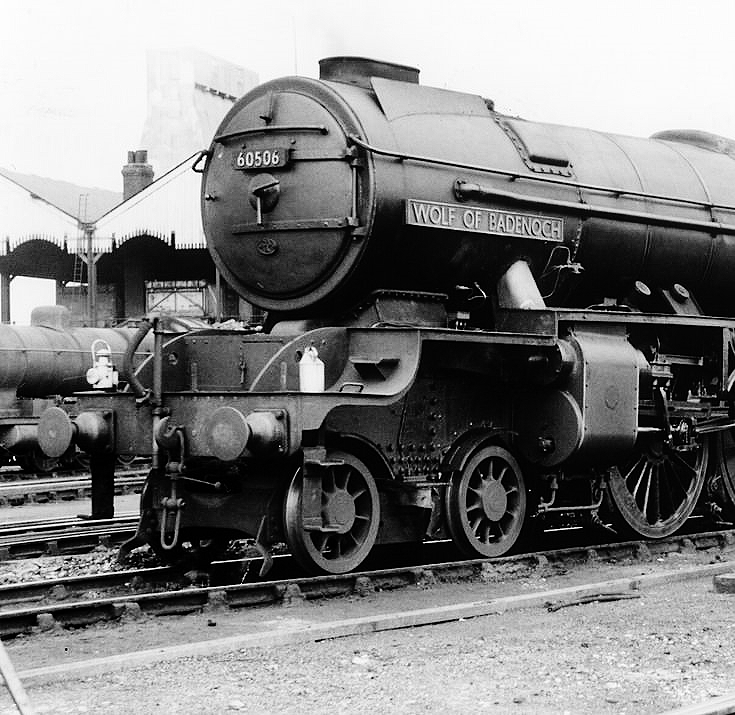
    The final Gresley class P2 No. 2006 Wolf of Badenoch entered traffic on 5 September 1936.

    Fitted with a different boiler design to the previous five class P2s with a longer combustion chamber, No. 2006 was initially allocated to Haymarket shed before moving to Aberdeen shed on 16 November 1936 and back to Haymarket on 23 October 1942.

    The locomotive was withdrawn for rebuilding into a Thompson class A2/2 at Doncaster Works on 28 January 1944.

    Returning to traffic on 15 April 1944, No. 2006 was shedded at Haymarket, Aberdeen Ferryhill and New England before withdrawal on 4 April 1961 and cut-up at Doncaster Works.

    The locomotive was renumbered to No. 506 (30 June 1946) and No. 60506 (18 December 1948).

  • Gresley Observer No.199 Published

    Gresley Observer No.199 Published

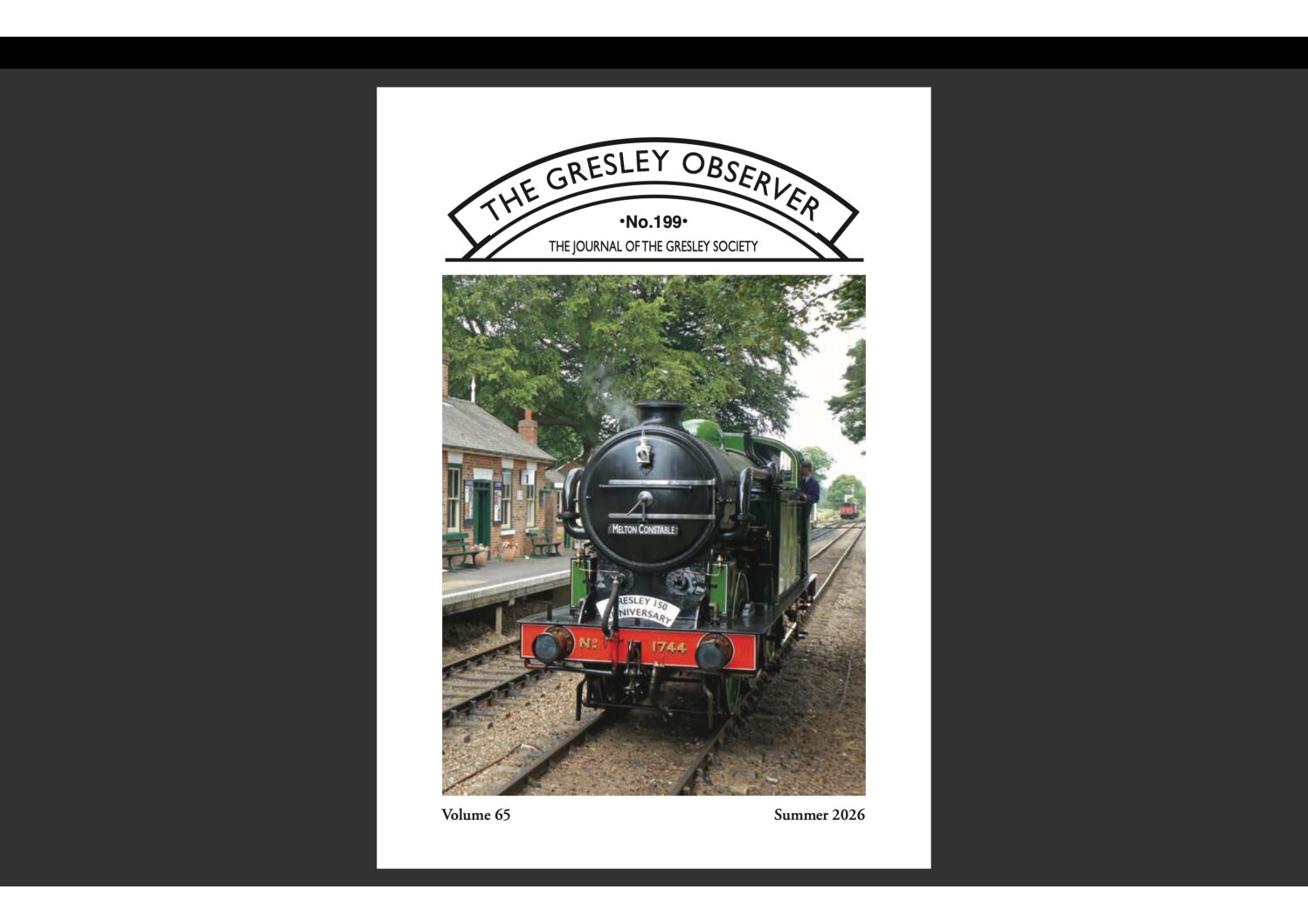
    Gresley Society marks 150th anniversary of Sir Nigel Cresley and celebrates N2 return to traffic in latest journal


    Doncaster, UK – 29 August 2026: The Gresley Society, founded in 1963 to honour the life and works of Sir Nigel Gresley, is pleased to announce the publication of the Summer 2026 edition of its journal, The Gresley Observer (No. 199). The issue records a landmark year for the Society and for admirers of Sir Nigel Gresley’s work.

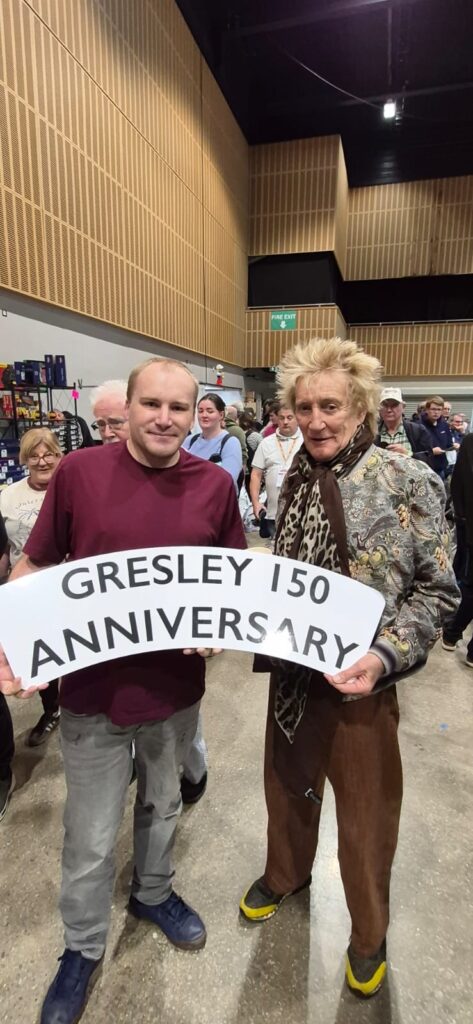
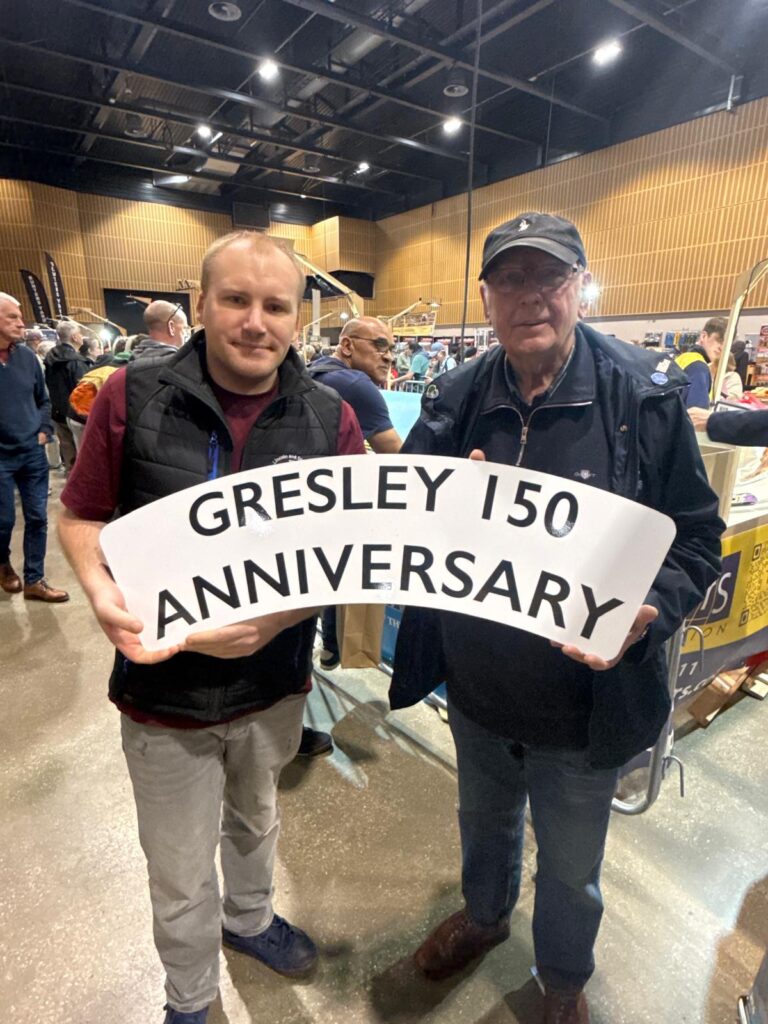
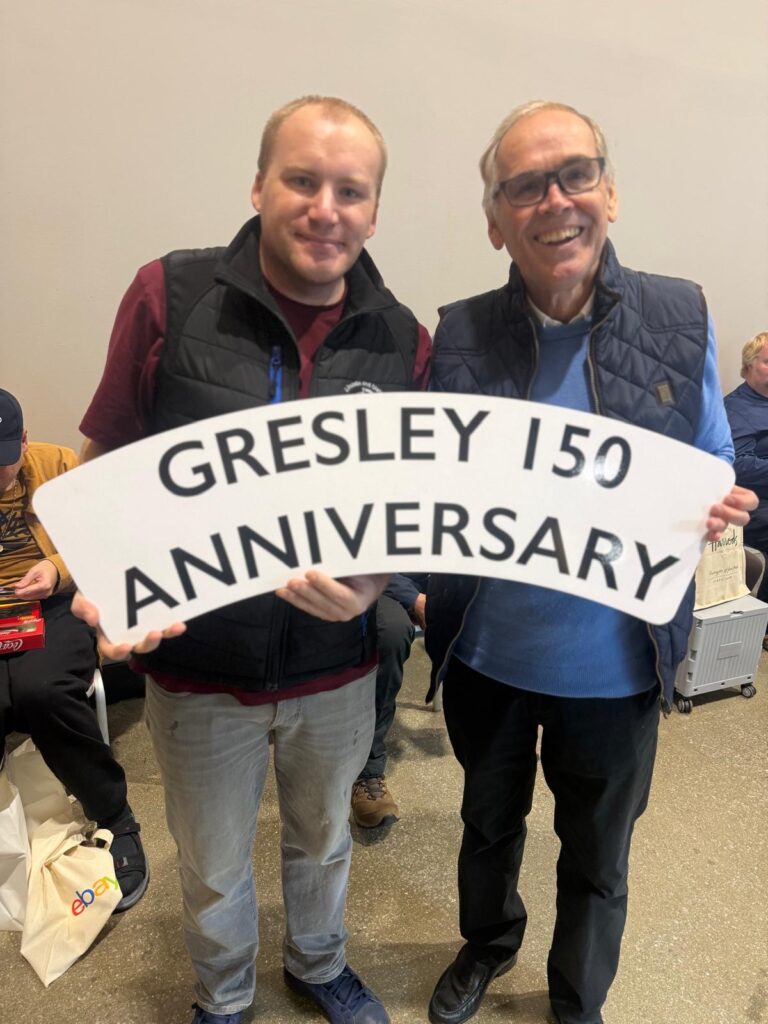
    This year marks the 150th anniversary of the birth of Sir Nigel Gresley on 19 June 1876. The journal reports on a series of commemorative events held across the country. These included a service at St Peter’s Church, Netherseal, where Gresley grew up, a special service at Doncaster Minster, the naming of an LNER Azuma set “Gresley 150”, open days at Doncaster Works featuring class A4 No. 60007 Sir Nigel Gresley in steam, and a well-attended Society symposium and Gala Dinner at Doncaster Mansion House. Surviving Gresley locomotives in the UK and overseas carried commemorative headboards for the anniversary weekend.

    A further highlight recorded in the issue is the return to traffic of the Society’s class N2 No. 1744. The locomotive re-entered service on the North Norfolk Railway on 17 July following a lengthy – and costly – overhaul. A ceremony at Sheringham marked the occasion, with the engine working in partnership with the Midland & Great Northern Society’s restored “Quad-Art” set.

    Chris Nettleton, Honorary Editor, said: 

    “This issue records a remarkable few months for the Society. The Gresley 150 celebrations and the return of our class N2 to traffic have generated a wealth of material, and I am already looking ahead to an extra magazine supplement to do justice to the many photographs submitted. The 200th edition of The Gresley Observer will also bring a completely new cover design.”

    The journal also contains the first part of a major feature on the 90th anniversary of the class V2 2-6-2 (final part in No. 200), together with articles on Gresley’s booster experiments, railway safety, and other aspects of East Coast Main Line history. The Chairman’s notes look ahead to future challenges, including the Society’s Gresley Buffet Lounge Car.

    The Society’s next members’ meeting will take place on Saturday 5 December 2026 at the Danum Gallery, Library & Art Museum in Doncaster where the sole-surviving class V2 No. 4771 Green Arrow is on display. After the formal business, Chris Nettleton will give a presentation on the class V2s to mark their 90th anniversary. Guests are welcome.

    The Gresley Society was founded in 1963 to promote interest in the life and work of Sir Nigel Gresley. Membership enquiries are welcomed.

  • Image of the month: No. 60163 Tornado

    Image of the month: No. 60163 Tornado

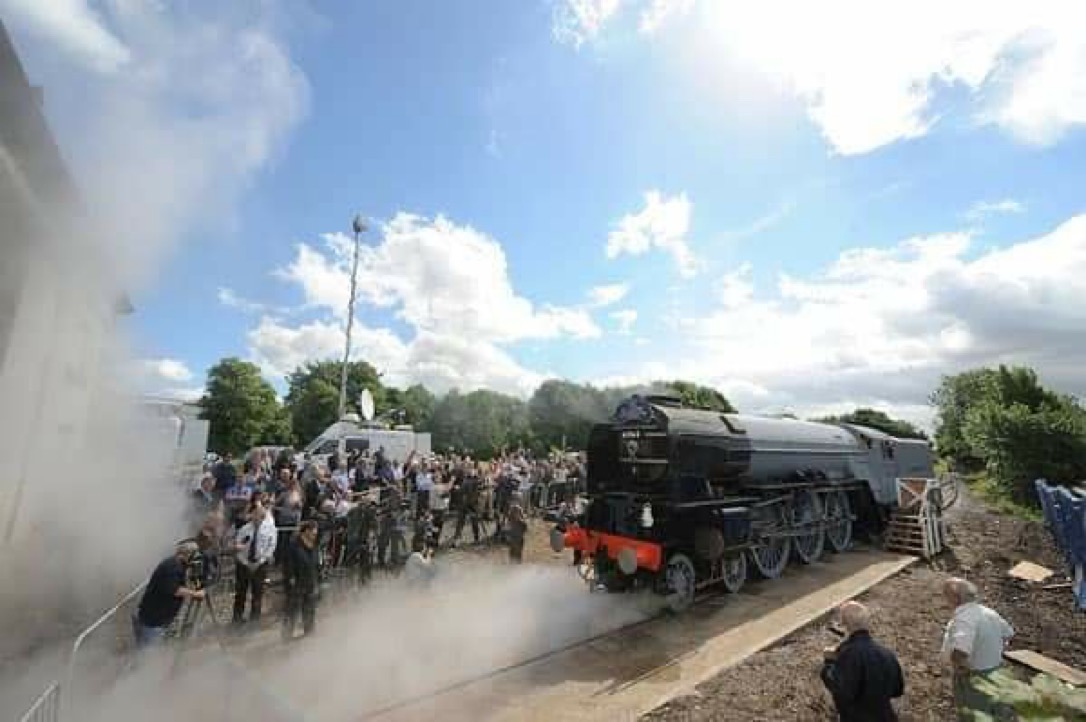
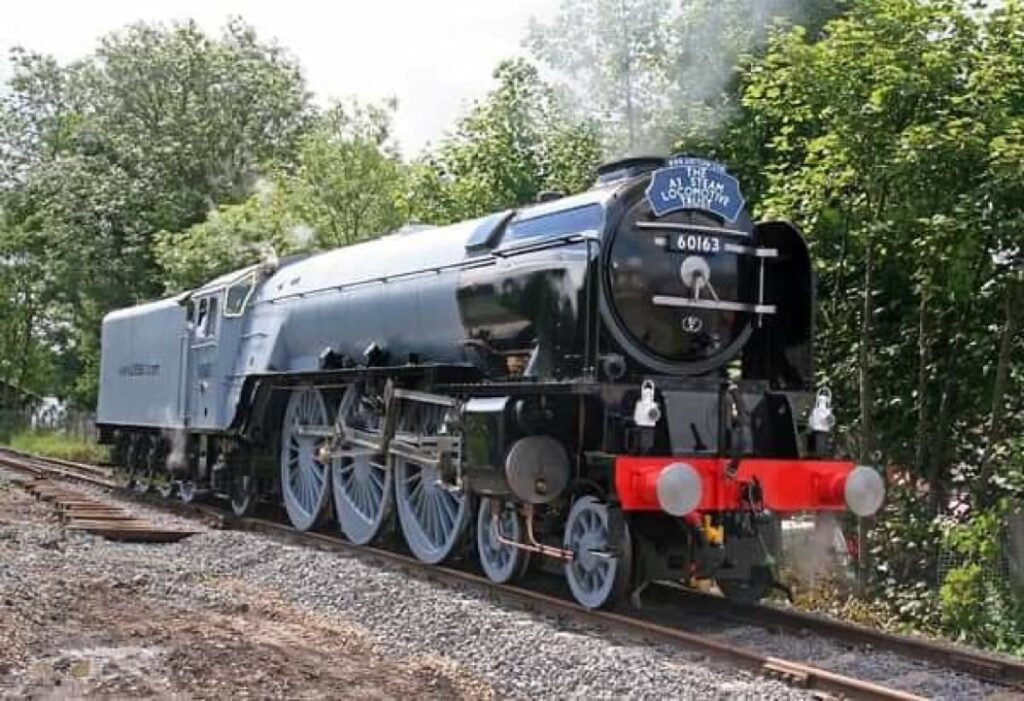
    Tornado moved for the first time 18 years ago today. The 50th Peppercorn class A1 was completed in Darlington after almost 18 years of work and at a cost of over £3m. Tornado was the first new main line steam locomotive to be competed in Britain for over 50 years and has gone on to become one of the UK’s most famous steam locomotives, appearing on BBC Top Gear and in Paddington 2.

    For move information about Tornado click here.

  • Gresley class N2 No. 1744 Returns to Traffic on NNR

    Gresley class N2 No. 1744 Returns to Traffic on NNR

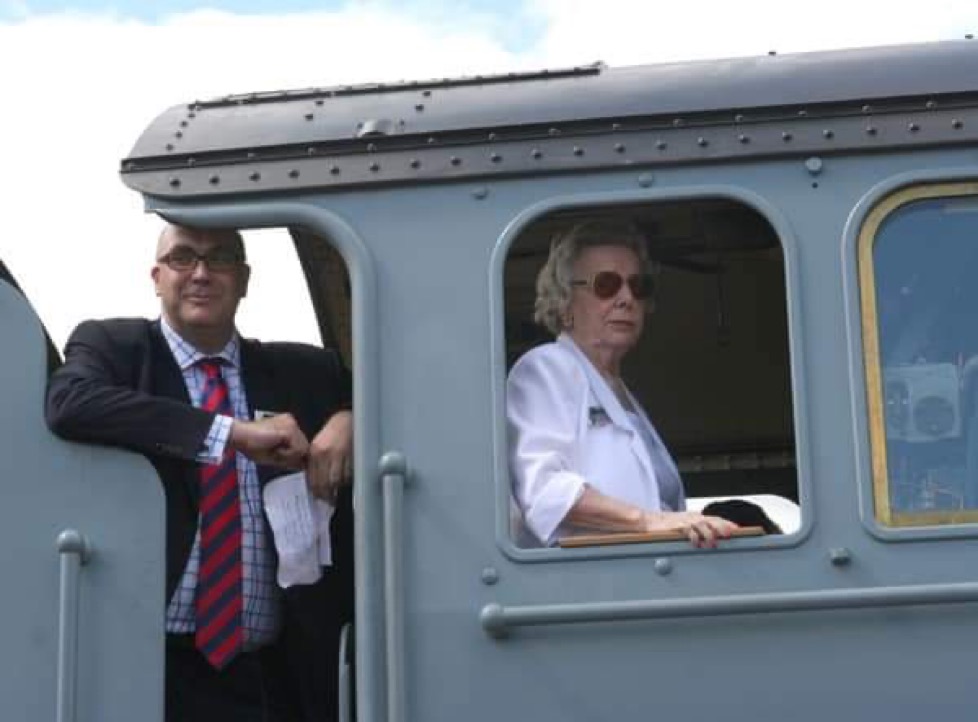
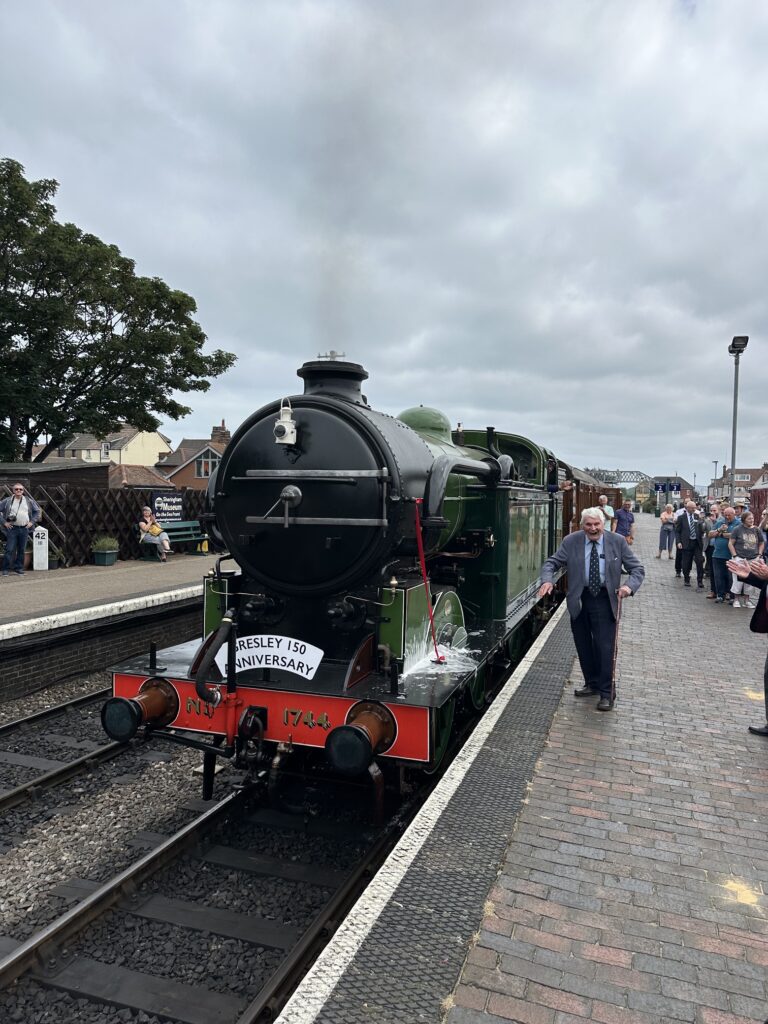
    Doncaster, UK – 17 July 2026: The Gresley Society, founded in 1963 to honour the life and works of Sir Nigel Gresley, is delighted to announce the return to traffic of Gresley class N2 No. 1744, Sir Nigel Gresley’s oldest surviving locomotive, on the North Norfolk Railway. The official launch and rededication ceremony took place today at Sheringham Station, marking the successful completion of an extensive eight year overhaul.

    No. 1744 is the sole remaining class N2 and the only surviving Gresley tank engine. The Great Northern Railway (GNR) class N2 is an 0-6-2T side tank steam locomotive designed by Sir Nigel Gresley as a development of the Ivatt class N1 and introduced in 1920. Sixty locomotives were built for the GNR between 1920 and 1921, and these were followed by forty-seven Group Standard class N2s between 1925 and 1929 from Doncaster Works and outside contractors.

    The class N2s were designed for suburban passenger operations, and worked most of the duties out of King’s Cross and Moorgate, hauling Quad-Art sets of eight articulated suburban coaches. They also hauled some empty coaching stock trains between King’s Cross and Ferme Park carriage sidings and class were a common sight in and around Glasgow and Edinburgh operating suburban services.

    No. 1744 was built in the 1920-21 batch of 50 class N2s by the North British Locomotive Co. in Glasgow for the GNR and spent almost all of its working life at King’s Cross shed before moving to New England shed at Peterborough in May 1962, shortly before its withdrawal in September 1962. Renumbered to No. 4744 and later No. 9523 by the LNER and to No. 69523 by British Railways, it was saved for preservation by the Gresley Society in 1963. No. 1744 is also a film star, having played the part of ‘The Scotch Flyer’ in the film The Railway Children.

    The locomotive was withdrawn from service in late 2018. The overhaul, which has cost approaching £800,000, included significant mechanical and boiler work and was conducted by initially by Northern Steam Engineering in Stockton-on-Tees and completed at the North Norfolk Railway at Weybourne. Key elements comprised new driving wheel and pony truck tyres, new front boiler ring and tubeplates, new firebox wrapper sections, and the manufacture of new superheater tubes. It now returns to service in its distinctive Great Northern Railway green livery during Sir Nigel Gresley’s 150th anniversary year and is the only working locomotive from the GNR.

    The event programme included a special viewing at the NNR workshops in Weybourne, followed by a rededication ceremony at Sheringham Station. Guests had the opportunity to travel behind No. 1744 on special trains to Holt using the sole-surviving Quad-Art set of carriages.

    After returning to traffic for this weekend’s ‘The Golden Years’ event, No. 1744 is scheduled to rejoin the North Norfolk Railway’s historic fleet, hauling services along the line which runs from Sheringham to Holt. The locomotive is also due to appear at some of the popular heritage line’s special events including the ‘Festival on Rails’ on 22-31 August and ‘Steam Back to the Forties’ on 19-20 September.

    Philip Benham MBE, Chairman of The Gresley Society, commented: “We are delighted to see No. 1744 back in steam, fulfilling the vision of our founders to preserve a working Gresley locomotive for the benefit and education of current and future generations. This has been a much more complex overhaul than we at first envisaged, possibly the most extensive the locomotive has ever had, and of course more expensive! But now this magnificent tank engine, resplendent in GNR green, will once again haul trains on the North Norfolk Railway, including the unique Quad-Art carriages. We remain deeply grateful to all the contractors who have worked on the locomotive, but especially to the North Norfolk Railway for their generous support that has been so critical to ensuring completion of the overhaul.”

    Graham Hukins, General Manager of the North Norfolk Railway, added: “It is a privilege for the NNR to host the return to traffic of this historic Gresley locomotive. No. 1744 is a wonderful addition to our fleet, and we look forward to operating it for visitors and enthusiasts alike in the coming years.”

    Keith Ashford’s Appointment as Locomotive Manager

    The Gresley Society is also pleased to announce the appointment of Keith Ashford C.Eng MIMechE as Locomotive Manager for Gresley class N2 No. 1744. A Chartered Member of the Institution of Mechanical Engineers, Keith brings over 50 years’ experience with the North Norfolk Railway, where he served as Chief Mechanical Engineer for seven years until his retirement in April 2026. He has been actively involved in the mechanical restoration and operation of preserved steam locomotives, including significant work on the Midland & Great Northern Joint Railway Society’s fleet, of which he is a volunteer Trustee Director and Chief Mechanical Engineer. Keith will oversee the ongoing care, maintenance, and operation of No. 1744, ensuring the locomotive continues to operate safely and reliably for the benefit of visitors and enthusiasts on the North Norfolk Railway.

    The N2 Overhaul Completion Club

    The N2 Overhaul Completion Club has raised almost £60,000 towards the final £100,000 target, with strong ongoing support. The club offers attractive benefits for those contributing £1,000 each (payable in up to eight instalments). The North Norfolk Railway has generously funded the completion of the work, to be reimbursed through operational use of the locomotive.

    Details of how to join The N2 Overhaul Completion Club are available at www.gresley.org.

  • 88th Anniversary of Mallard’s Record-Breaking Run

    On this day, 3 July 1938, LNER class A4 No. 4468 Mallard, with Driver Joseph Duddington and Fireman Thomas Bray, achieved a world speed record for steam traction that still stands today.

    Descending Stoke Bank in Lincolnshire, Mallard reached an officially recorded speed of 126 mph – a pinnacle of British engineering excellence and a testament to the genius of Sir Nigel Gresley’s design.

    To this day, Mallard remains the fastest steam locomotive in the world. Her achievement continues to inspire railway enthusiasts, engineers, and historians around the world.

    The Gresley Society is proud to celebrate this landmark in locomotive history and the enduring legacy of Sir Nigel Gresley’s work in his 150th anniversary year – a legacy of innovation, speed and elegance.

    If you’re near York, why not visit Mallard at the National Railway Museum?

  • Little Bytham Ticket Office

    A small team (including Tony Wright of Little Bytham himself!) is looking to raise enough cash to purchase Little Bytham Ticket Office into Community ownership.

    Time is of the essence as the building is being auctioned in less that a month…

    For more information click here.