
Other societies
There are many line societies, rolling stock owners and heritage railways associated with the life and work of Sir Nigel Gresley
The LNER Society, founded in 1965, collects and disseminates accurate information about the London & North Eastern Railway and its constituents. Serving historians, modellers and researchers, it produces journals and newsletters, organises meetings and visits, and supports detailed archival research. As Sir Nigel Gresley served as its Chief Mechanical Engineer, the Society offers valuable wider context for his work.
The Great Northern Railway Society fosters interest in, and records and preserves the history of, the Great Northern Railway, for which Sir Nigel Gresley served as Locomotive Engineer from 1911. Through its bi-monthly journal, archive, publications and visits, it offers valuable context on the engineering and operations of Gresley’s formative years.
The Great Central Railway Society, founded in 1974, is dedicated to the study and preservation of the history of the Great Central Railway, which formed part of the LNER at the Grouping of 1923. It publishes the journal Forward, maintains an archive, organises meetings and supports research into the GCR network and its locomotives. Distinct from the heritage line at Loughborough, the Society offers useful context for the LNER era under Sir Nigel Gresley.
The Great Eastern Railway Society, formed in 1973, promotes widespread interest in the Great Eastern Railway, encourages research into its history and provides a permanent record of the results. It covers the GER, its predecessors and successors, including the GE Section of the LNER, together with associated East Anglian lines. The Society supports historians, modellers and enthusiasts through publications, research and archives. It offers useful context for the LNER period under Sir Nigel Gresley.

The North Eastern Railway Association, founded in 1961, advances public education in the history of the railways of North-East England, particularly the North Eastern Railway, its constituents and successors. It publishes the journal North Eastern Express, maintains archives, organises meetings and supports research and modelling. As a major constituent of the LNER under Sir Nigel Gresley’s leadership, the NER forms an important part of the wider story.
The North British Railway Study Group promotes the study of and research into the former North British Railway, its constituents and successors. As a charity it advances education and heritage through its journal, archive material, modelling support and dissemination of information. The NBR was the largest Scottish railway and a major constituent of the LNER at the Grouping of 1923. It therefore forms an important part of the story of Sir Nigel Gresley’s era.
The Great North of Scotland Railway Association, founded in 1964, promotes the study, research and preservation of the history of the Great North of Scotland Railway, its successors and related transport in North East Scotland. Through meetings, publications, lectures and an archive it advances education and heritage. As a constituent of the LNER at the Grouping of 1923, the GNSR forms part of the wider story of Sir Nigel Gresley’s era.
The Lancashire & Yorkshire Railway Society, founded in 1950 and the oldest line society in the UK, is an educational charity devoted to the study, recording and dissemination of information about the Lancashire & Yorkshire Railway, its predecessors and successors. Through publications, research and archives it advances public knowledge of this progressive northern system. Sir Nigel Gresley gained early experience on the L&YR at Horwich before joining the Great Northern Railway.
The London & North Western Railway Society, formed in 1973, is an educational charity dedicated to advancing public knowledge of the LNWR, its constituents and successors. It studies and preserves documents, drawings, photographs and other material, publishes journals and newsletters, and maintains a study centre. Sir Nigel Gresley began his career as a premium apprentice at Crewe Works on the LNWR.
The Doncaster Grammar School Railway Collection, begun in the 1930s by the school’s Railway Society, is one of the largest private collections of British railway memorabilia. Assembled largely by pupils and continued by Tony Peart, it includes nameplates from Gresley locomotives built at Doncaster, personal papers of Sir Nigel Gresley and thousands of other artefacts. Now cared for by trustees and Heritage Doncaster, items are displayed at the Danum Gallery’s Rail Heritage Centre with the remainder accessible by appointment.

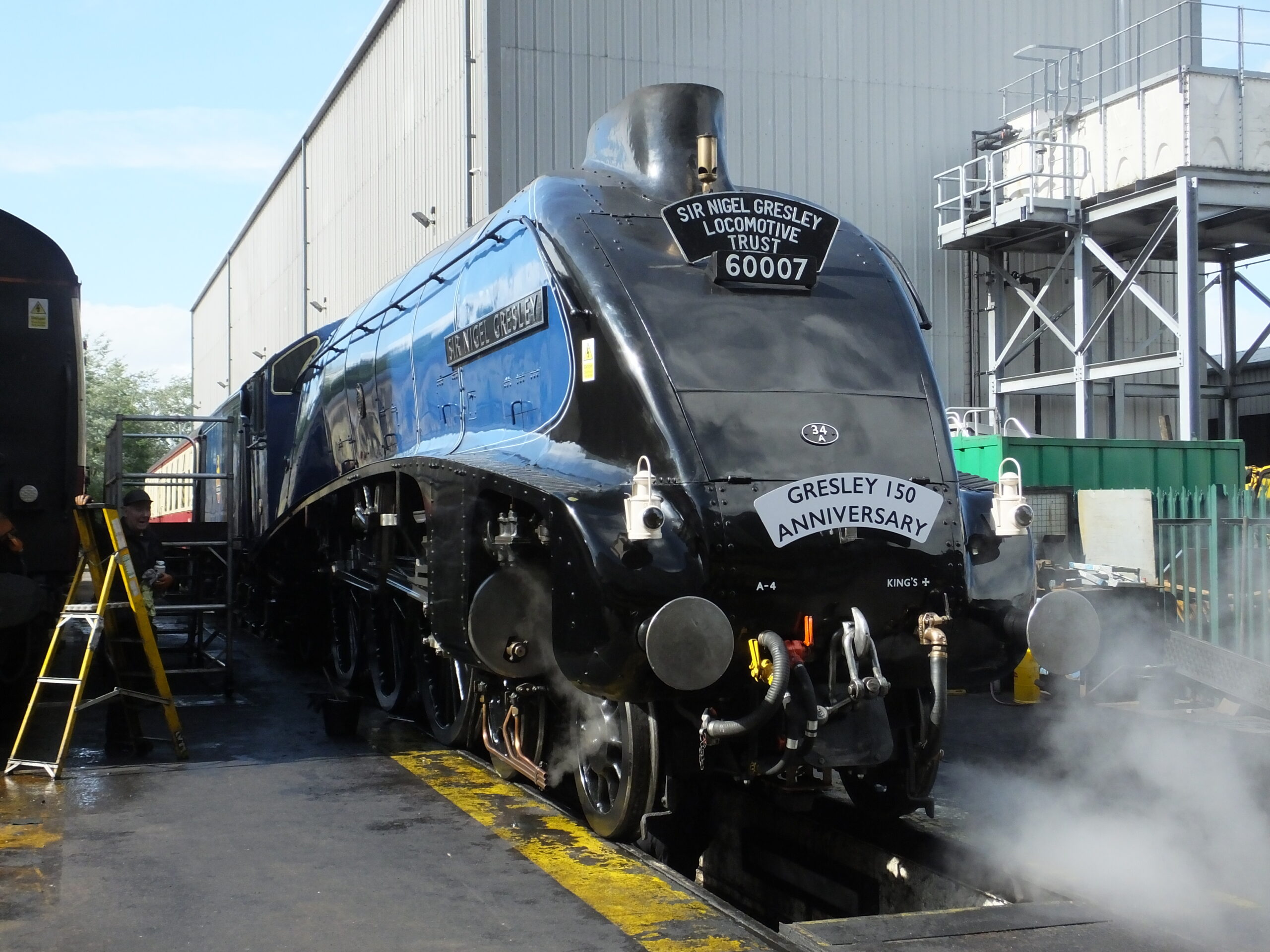
The Sir Nigel Gresley Locomotive Trust is a registered charity dedicated to the preservation and main-line operation of LNER class A4 Pacific No. 4498/60007 Sir Nigel Gresley. Built at Doncaster in 1937 as the 100th Gresley Pacific and named in honour of its designer, the locomotive holds the post-war British steam speed record of 112 mph (1959).
Purchased for preservation in 1966, the Trust maintains the locomotive in working order so that it can continue to educate and inspire the public on both the national network and heritage railways.
The A1 Steam Locomotive Trust is a registered charity based in Darlington. Formed in 1990, its purpose is to build, preserve and operate extinct LNER-designed steam locomotives of historical importance for public education and enjoyment on the main line. The Trust completed Peppercorn class A1 Pacific No. 60163 Tornado in 2008 – the first new main-line steam locomotive built in Britain since 1960. It continues to operate regularly on the national network.
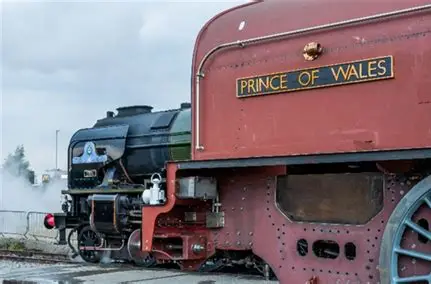
The Trust is now constructing Gresley class P2 No. 2007 Prince of Wales, intended to become Britain’s most powerful express passenger steam locomotive, and is also planning a new-build Gresley class V4 No. 3403 Highlander.
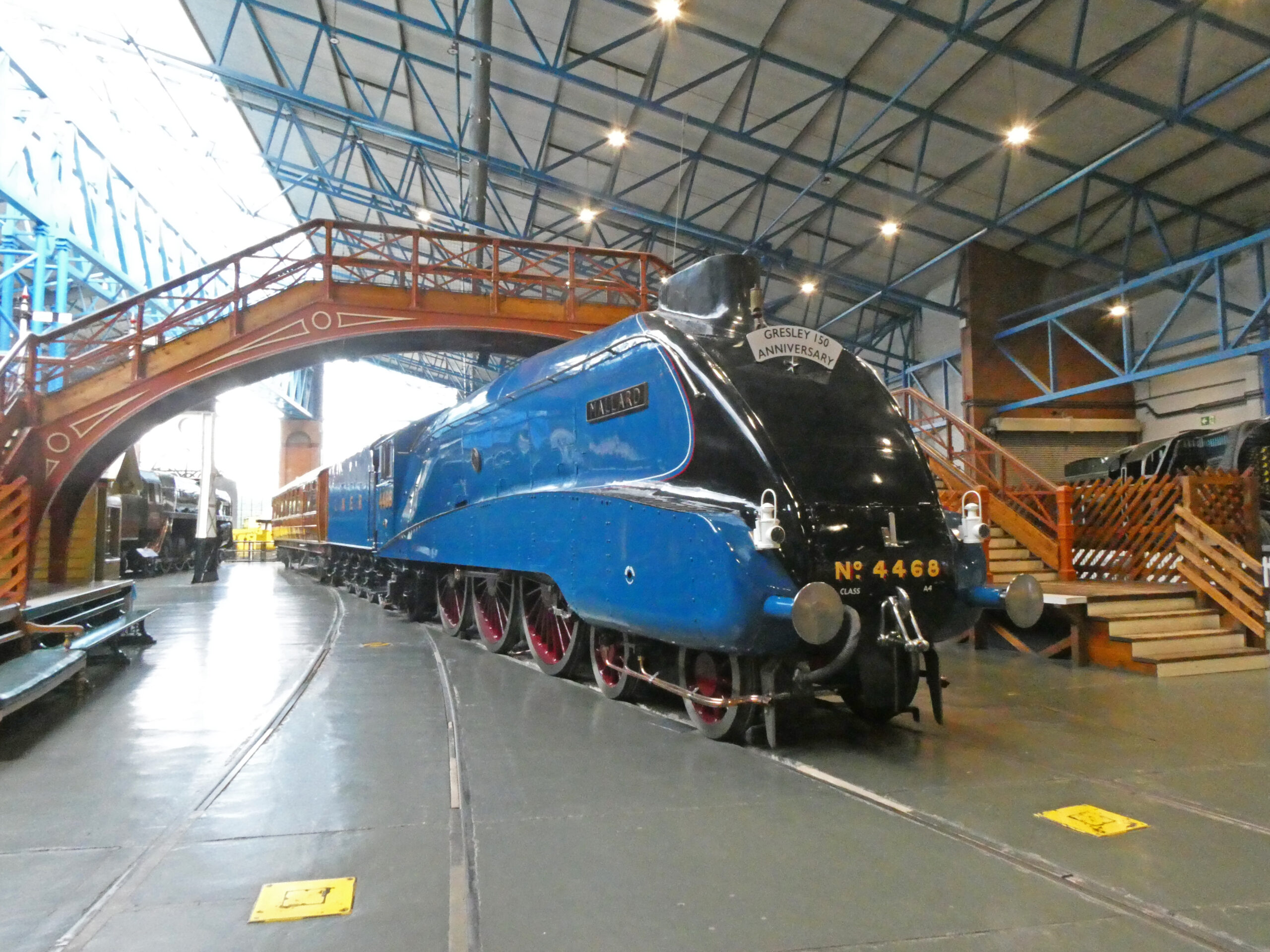
The National Railway Museum in York is the world’s largest railway museum and part of the Science Museum Group. It cares for an outstanding collection that includes three of Sir Nigel Gresley’s most celebrated locomotives: the record-breaking class A4 No. 4468 Mallard, the class V2 No. 4771 Green Arrow, and class A3 No. 4472/60103 Flying Scotsman.
Alongside these flagship locomotives, the museum holds extensive Gresley-related artefacts, drawings, photographs and rolling stock that document his pioneering work for the Great Northern Railway and the LNER. The museum is a vital repository for the history of British steam and an essential resource for anyone studying Gresley’s engineering legacy..
The Scottish Railway Preservation Society (SRPS), founded in 1961, is Scotland’s leading railway heritage organisation. Based at Bo’ness, it operates the Bo’ness & Kinneil Railway and the Museum of Scottish Railways, caring for one of the largest collections of locomotives, carriages and artefacts outside the National Railway Museum.
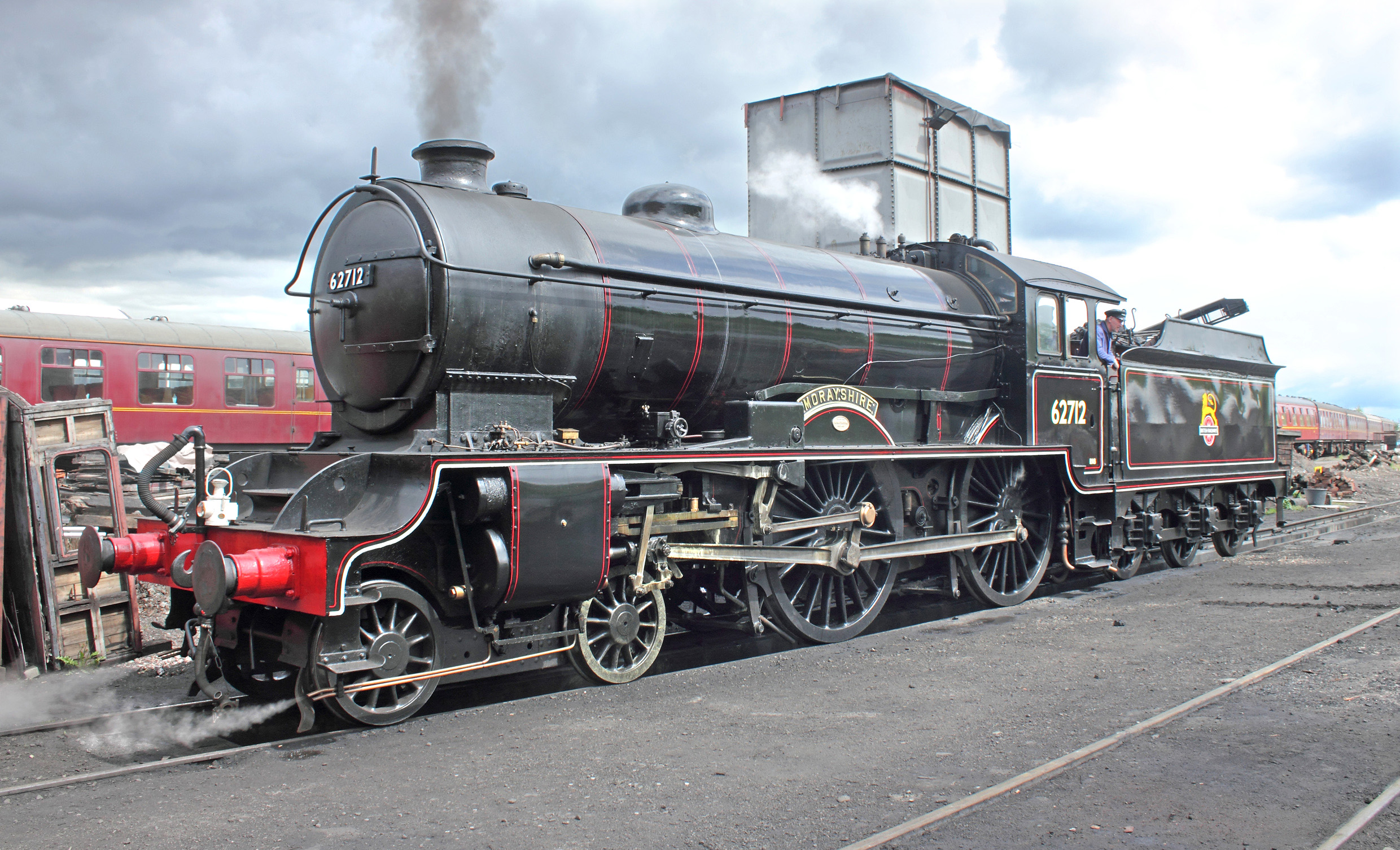
Among its most significant Gresley-related artefacts is the sole surviving class D49 4-4-0 No. 246/62712 Morayshire, owned by National Museums Scotland and currently undergoing overhaul at Bo’ness. The Society has also preserved and restored several Gresley teak carriages and other related rolling stock.
The Canadian Railway Museum, known as Exporail, is Canada’s largest railway museum. Located in Saint-Constant, Quebec, and operated by the Canadian Railroad Historical Association, it cares for an extensive collection of locomotives, rolling stock and railway artefacts.
Among its most celebrated exhibits is Sir Nigel Gresley’s class A4 Pacific No. 4489/60010 Dominion of Canada. Built at Doncaster in 1937 and later donated by British Railways, the locomotive has been preserved at the museum since 1966 (apart from a temporary return to Britain for the 2013 Great Gathering). It remains on static display in its restored garter-blue livery.
The National Railroad Museum in Green Bay, Wisconsin, is the only congressionally designated railroad museum in the United States. It holds an extensive collection of more than 70 pieces of rolling stock and over 100,000 artefacts covering American and international railway history.
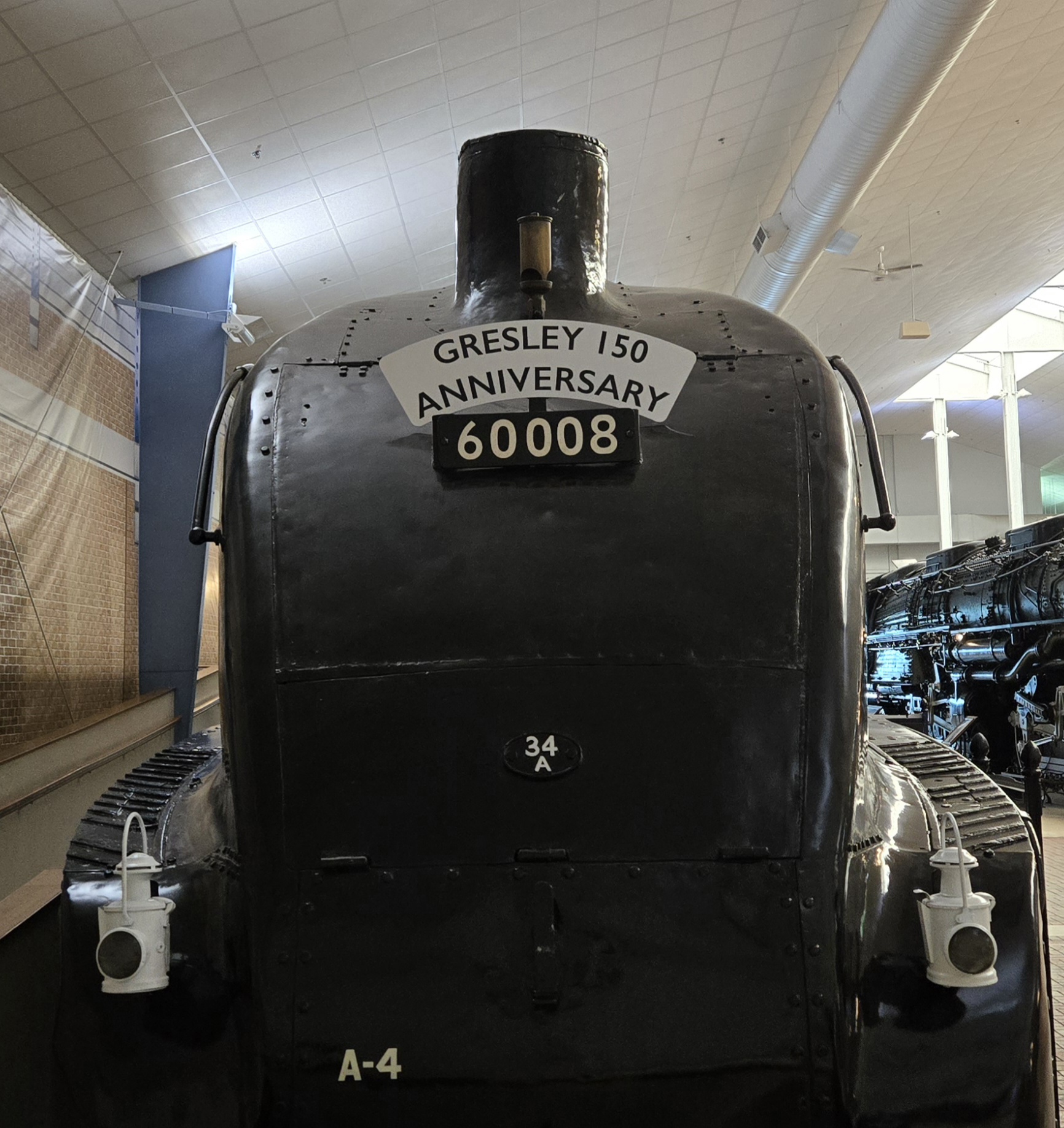
Its most notable Gresley exhibit is the sole class A4 locomotive in the United States: No. 60008 Dwight D. Eisenhower (originally LNER No. 4496 Golden Shuttle). Built in 1937 and renamed after the wartime general, the locomotive has been on display at the museum since 1964 (with a temporary return to Britain for the 2013 Great Gathering). Two associated LNER coaches converted for Eisenhower’s wartime use are also preserved there.
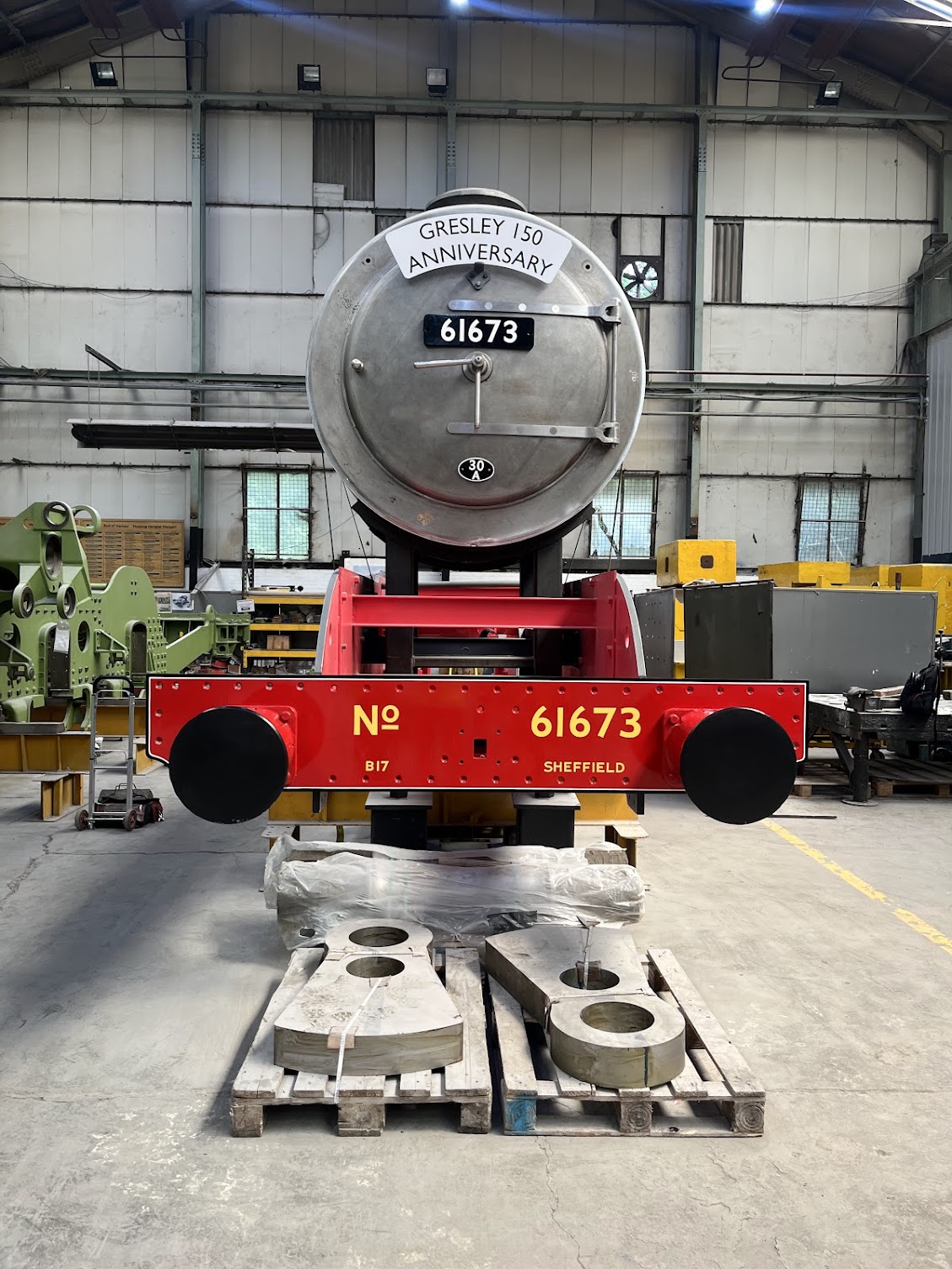
The B17 Steam Locomotive Trust is a charitable organisation dedicated to constructing a brand-new LNER Class B17 4-6-0 steam locomotive, the only Gresley 4-6-0 design of which no original examples survived into preservation. Named Spirit of Sandringham (No. 61673), the locomotive is being built to modern main-line standards so that it can operate on both the national network and heritage railways.
Construction is progressing in Sheffield, with major components such as the frames, driving wheels and smokebox already complete or under manufacture. The Trust also promotes traditional engineering skills and educational opportunities for the next generation of engineers.
The LNER Coach Association is a registered charity dedicated to the acquisition, restoration and operation of coaches from the London & North Eastern Railway and its constituent companies. Formed in the late 1970s, it specialises in the distinctive varnished teak carriages designed under Sir Nigel Gresley.
Based near Pickering in North Yorkshire, the Association works closely with the North Yorkshire Moors Railway, where many of its restored vehicles form authentic LNER teak rakes that regularly carry passengers. Volunteers also restore and maintain coaches for other heritage lines. The Association continues to expand its collection of rare Gresley-era carriages, ensuring these elegant vehicles remain in active service for future generations.
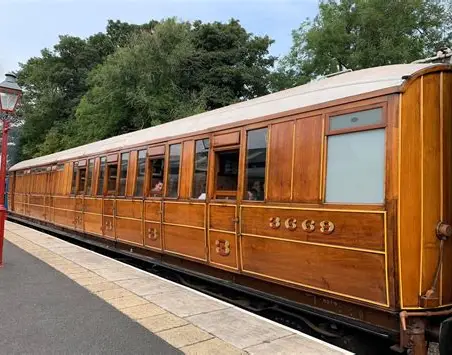
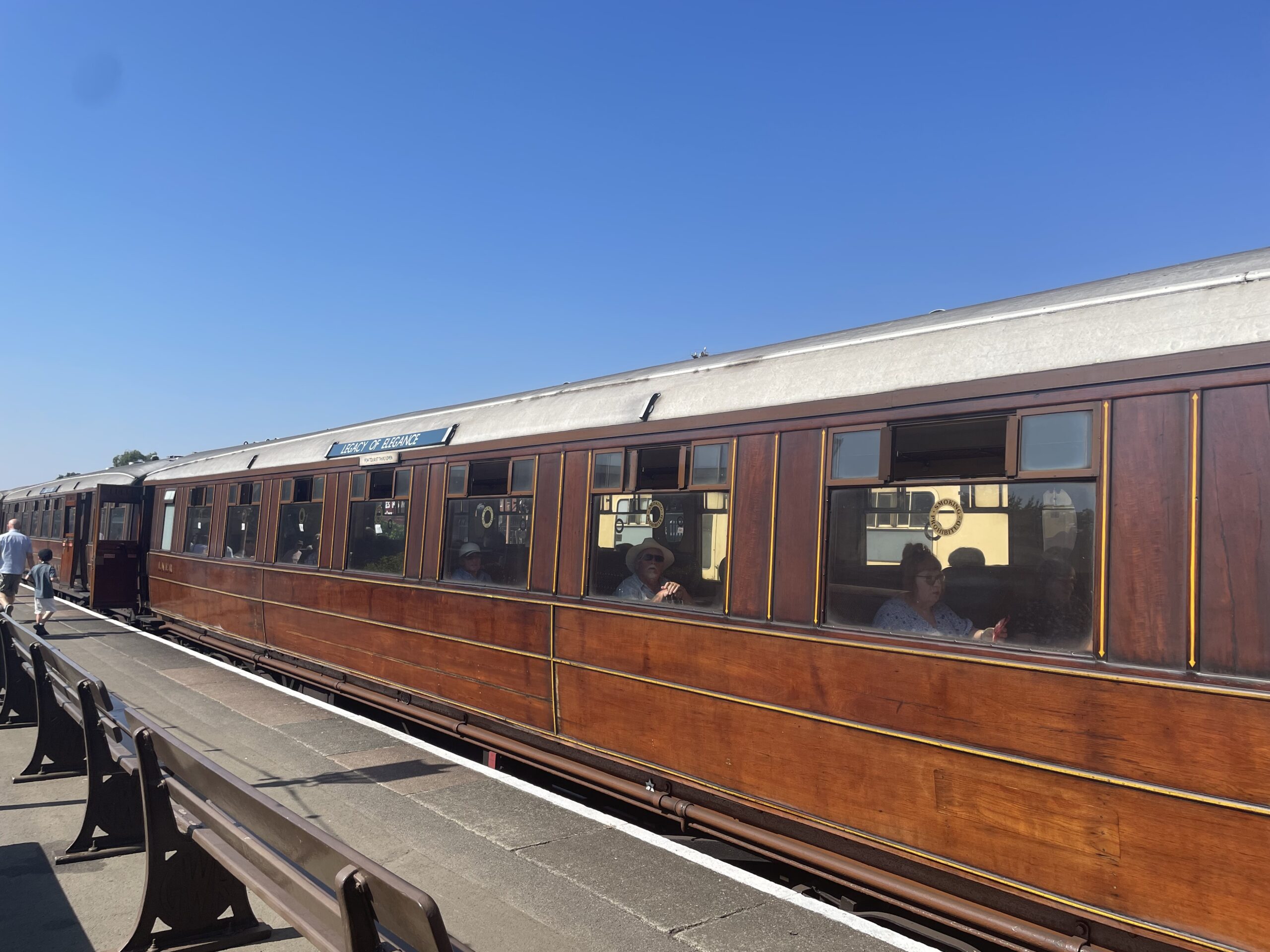
The LNER (SVR) Coach Fund was formed in 1976 to acquire and restore Gresley-designed varnished teak carriages for the Severn Valley Railway. Its pioneering work created what is now Britain’s longest operational Gresley teak train.
In 2010 the LNER Carriage Group was established within the Severn Valley Railway Charitable Trust when ownership of the coaches began to pass to the Trust; by 2016 all nine teak vehicles were in Trust ownership. The two bodies share the same volunteers: the Fund continues to hold spare parts and support the work, while the Carriage Group maintains and restores the Trust’s LNER fleet so that visitors can still travel in authentic inter-war Gresley coaches.