Worsdell class Y7
The North Eastern Railway class H (LNER class Y7) is a small 0-4-0T steam locomotive designed by T. W. Worsdell for shunting and introduced in 1888.
The LNER class Y7, originally NER Class H, is a small 0-4-0T steam locomotive designed for shunting, renowned for its simplicity, durability, and ability to work on tight curves and poor quality track.
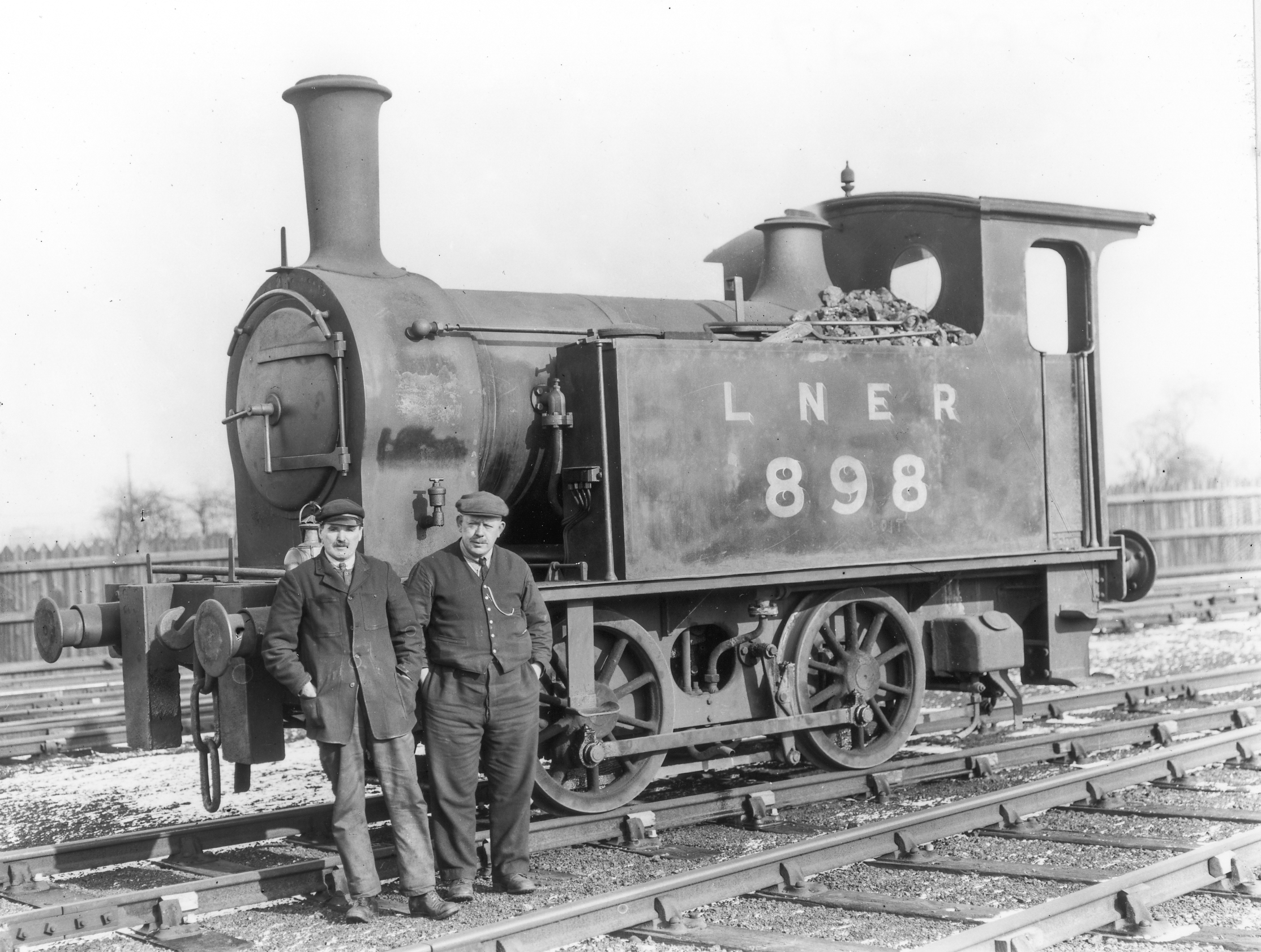
The class Y7 was designed in 1888 by T.W. Worsdell to replace aging Manning Wardle 0-4-0 saddle tank shunting locomotives on the North Eastern Railway (NER).
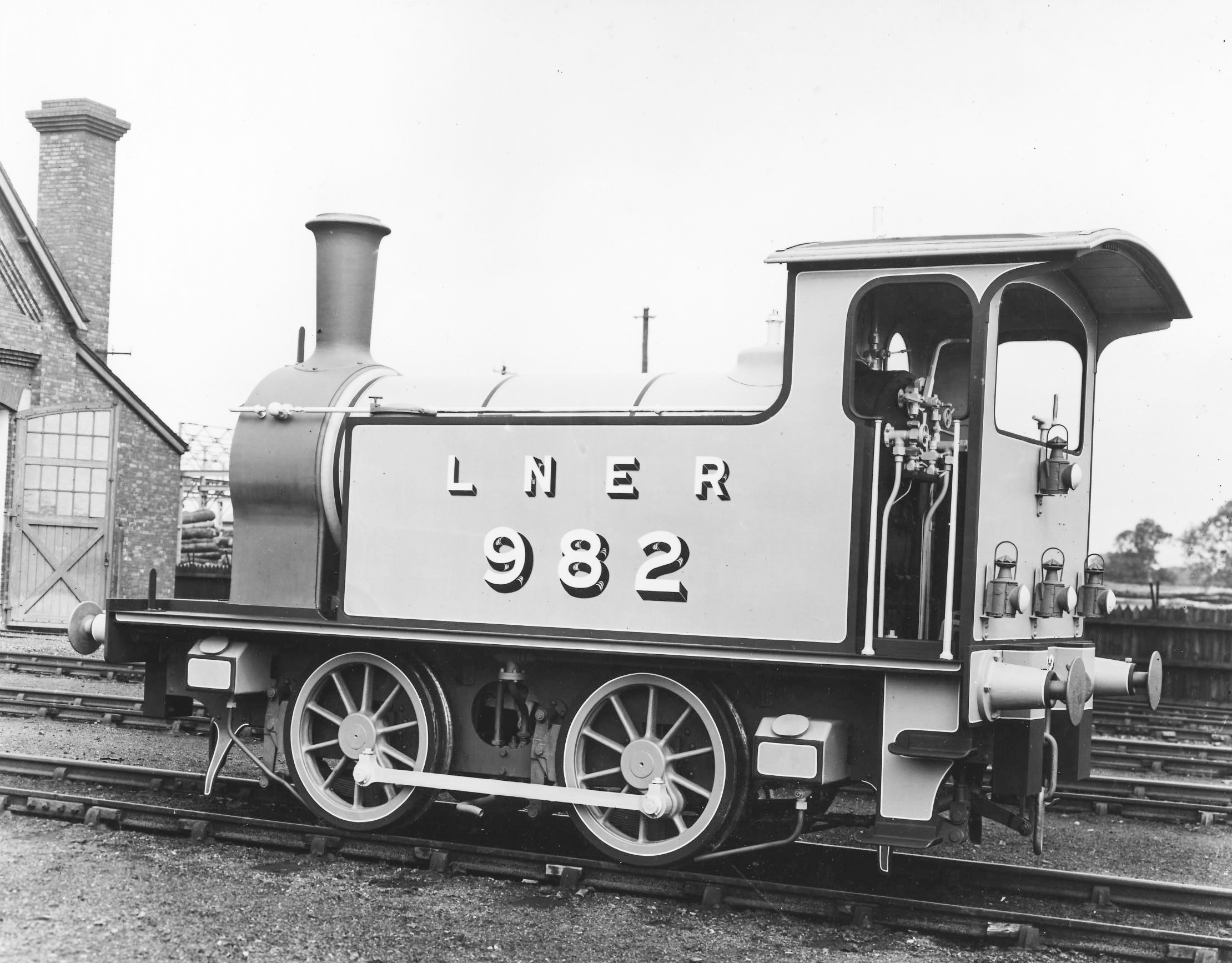
The initial batch consisted of six locomotives built at Gateshead Works, proving very successful, leading to further orders of ten in 1891, three in 1897, and a final batch of five constructed by the LNER at Darlington in 1923 under Gresley. The locomotives featured a parallel, domeless boiler, inside cylinders, and a simple, open-backed cab with coal carried in a small bunker integrated into the left-hand water tank.
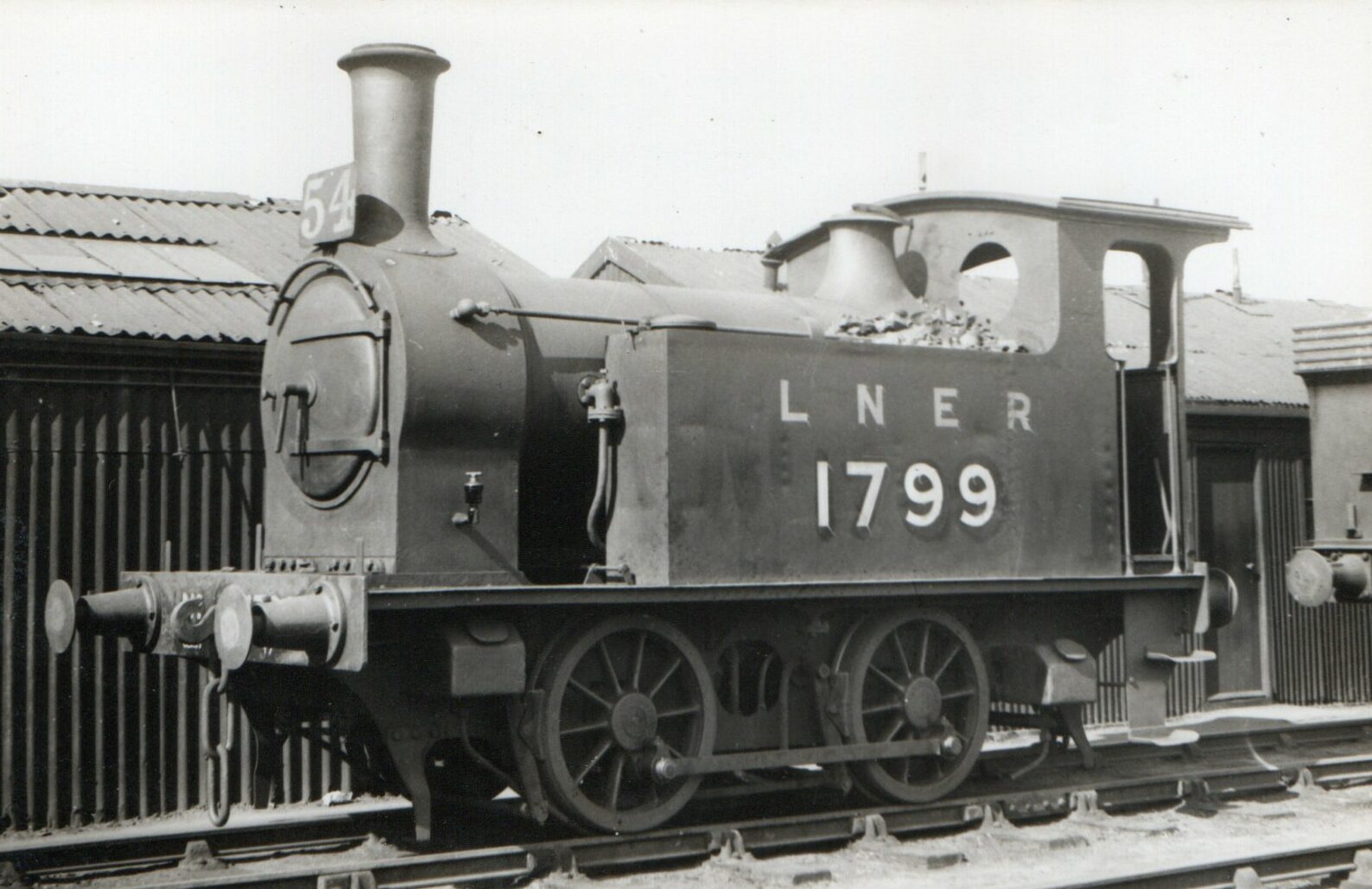
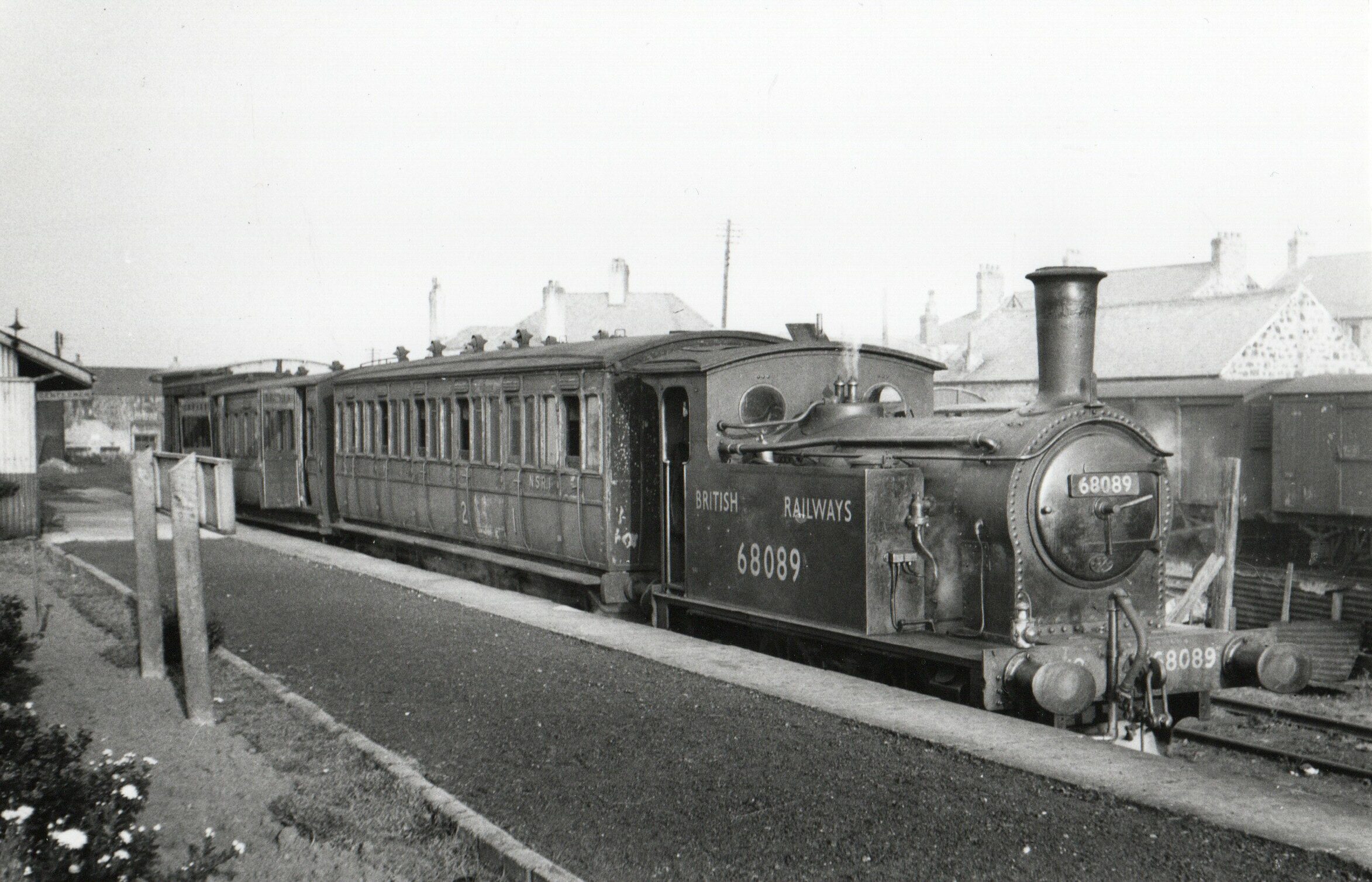
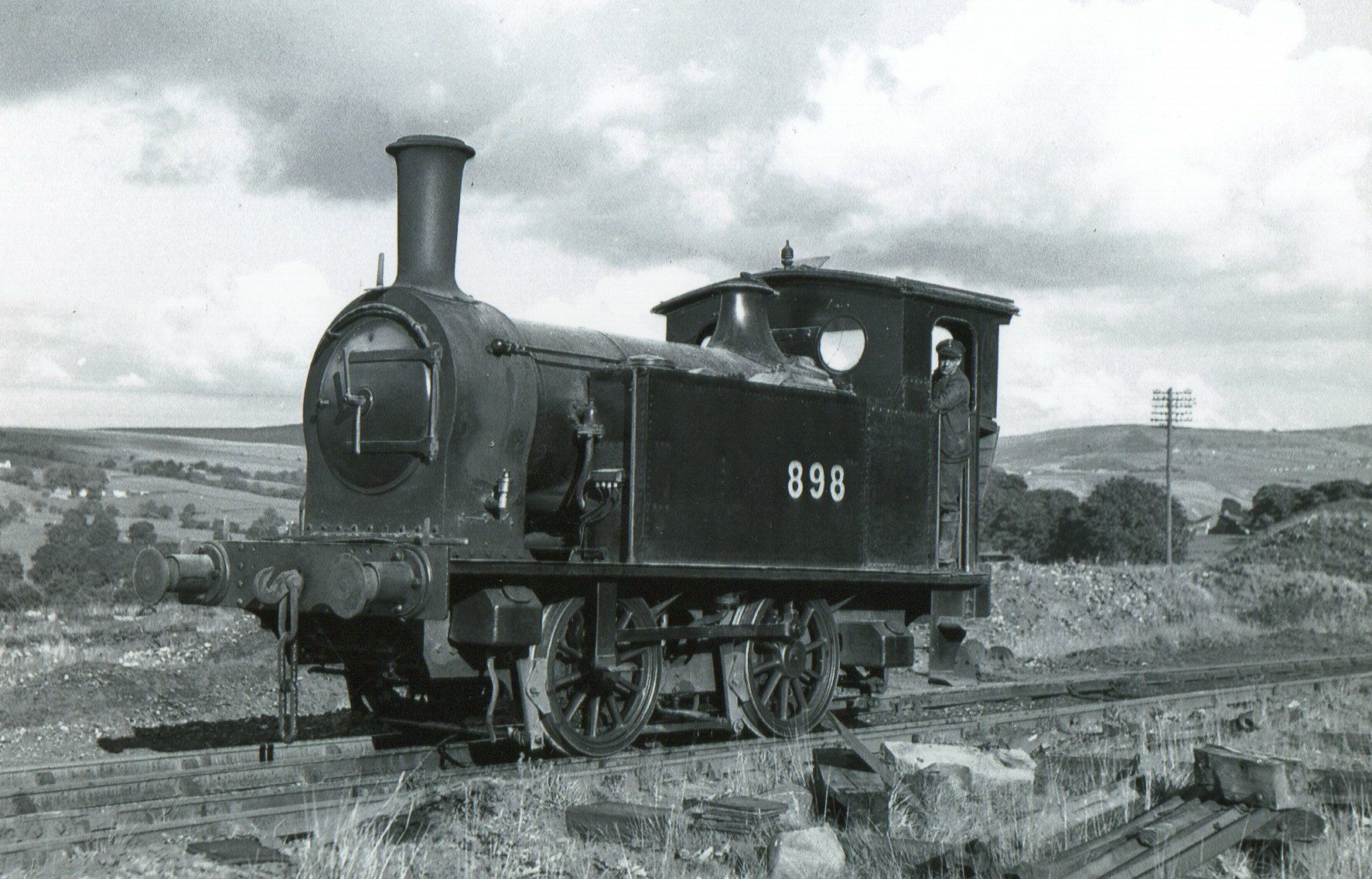
The class Y7 locomotives were primarily used for dockyard and works shunting on Tyneside, Hull Docks, and Darlington North Road Works. They were valued for their short wheelbase, allowing operations on tight curves and lightly laid tracks. Modifications over time included replacing dumb buffers with small round buffers, addition of steam brakes and, in some cases, vacuum brakes for passenger duties on lines like the North Sunderland Railway.
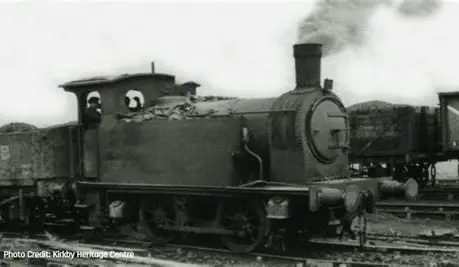
The onset of the Great Depression caused a decrease in dock work, leading to the withdrawal of 16 locomotives between 1929–1932, with nine sold to industrial users.
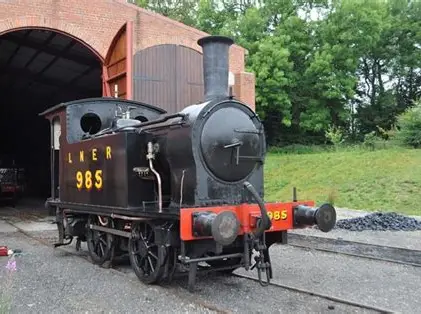
British Railways inherited only two class Y7s, renumbered No. 68088 (ex-LNER No. 985) and No. 68089, both of which operated briefly before being retired and sold to industrial service.
Two class Y7s survive today.
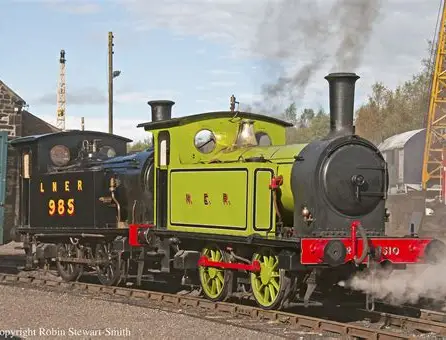
NER No. 1310 (built 1891): Sold to Pelaw Main Collieries Ltd in 1933, later acquired by the Steam Power Trust in 1965, and now preserved at the Middleton Railway.
LNER No. 985 (BR No. 68088, built 1923): Worked at Hull and Tyneside docks, later at Bentinck and Thurgaton Collieries. Subsequently purchased by the Y7 Preservation Society, currently located at the Mid-Suffolk Light Railway.