Tyneside Electrics
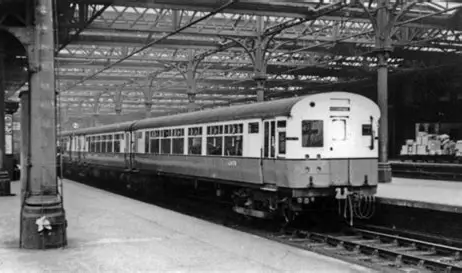
The Tyneside Electics were a fleet of 64 two-coach articulated electric units introduced in 1937 by Sir Nigel Gresley.
Under Sir Nigel Gresley, the LNER transformed the Tyneside electric network, introducing Britain’s first articulated EMU design and modernising suburban rail services.

The modernisation began with a careful review in 1933, leading to the 1934 decision to build 90 new EMU vehicles and refurbish the 1920–22 stock. The plan expanded in 1935 to 132 vehicles to accommodate the electrification of the South Tyneside line to South Shields. Construction was undertaken by the Metropolitan-Cammell Carriage & Wagon Company, with electrical systems provided by Westinghouse and traction motors by Crompton Parkinson.
The resulting 64 twin-coach articulated units, supported by two motor parcels vans and two luggage motor thirds, featured riveted steel bodies, welded underframes, open saloons with bucket seating, and luggage compartments with sliding doors. Each twin-coach unit rode on three bogies: a powered motor bogie and two unpowered bogies designed for stability and comfort. With a balancing speed of 55 mph and electro-pneumatic brakes, the units significantly improved service reliability and ride quality.
Service integration began on 30 July 1937 on North Tyneside, and by spring 1938, the South Tyneside electrification was complete. Journey times for the 20.6-mile main loop dropped from 63 minutes with the old stock to just 53 minutes using the modern EMUs. The flexible configuration allowed formations of 2, 4, 6, or 8 cars per service, adapting to passenger demand.
Originally painted in NER red and cream, wartime blackout regulations necessitated a repaint to Marlborough Blue and Quaker Grey in 1941, with post-war green livery applied under British Railways. Despite improvements, the network experienced wartime damage and operational incidents, including a 1941 incendiary bomb destroying one EMU set and a 1951 collision requiring recombination of surviving cars.
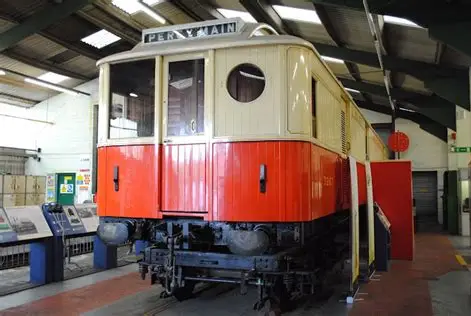
Passenger declines and aging equipment led to de-electrification and withdrawals in the 1960s, with the South Tyneside line ceasing operations in 1963, and the final North Tyneside services completed on 17 June 1967. Preservation efforts saved de-icing van No. 900730 and a BR-era 2-EPB Tyneside set.
To find out more about the Tyneside Electrics, visit wikipedia. Volume 10B of the RCTS ‘Locomotives of the LNER’ covers the class in detail.