Sentinel Railcars
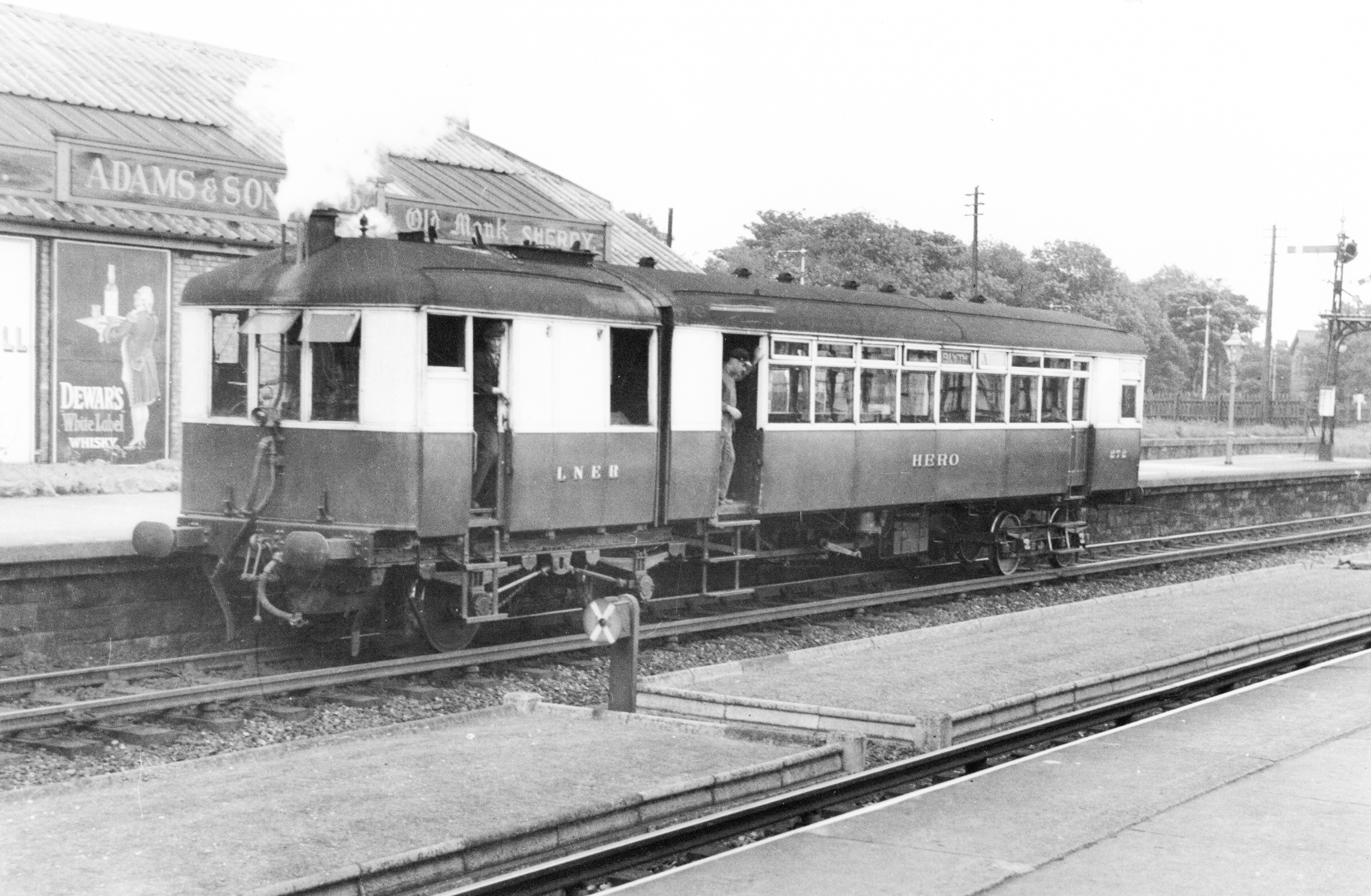
LNER Sentinel railcars were introduced by Sir Nigel Gresley in the 1920s to reduce branch-line operating costs.
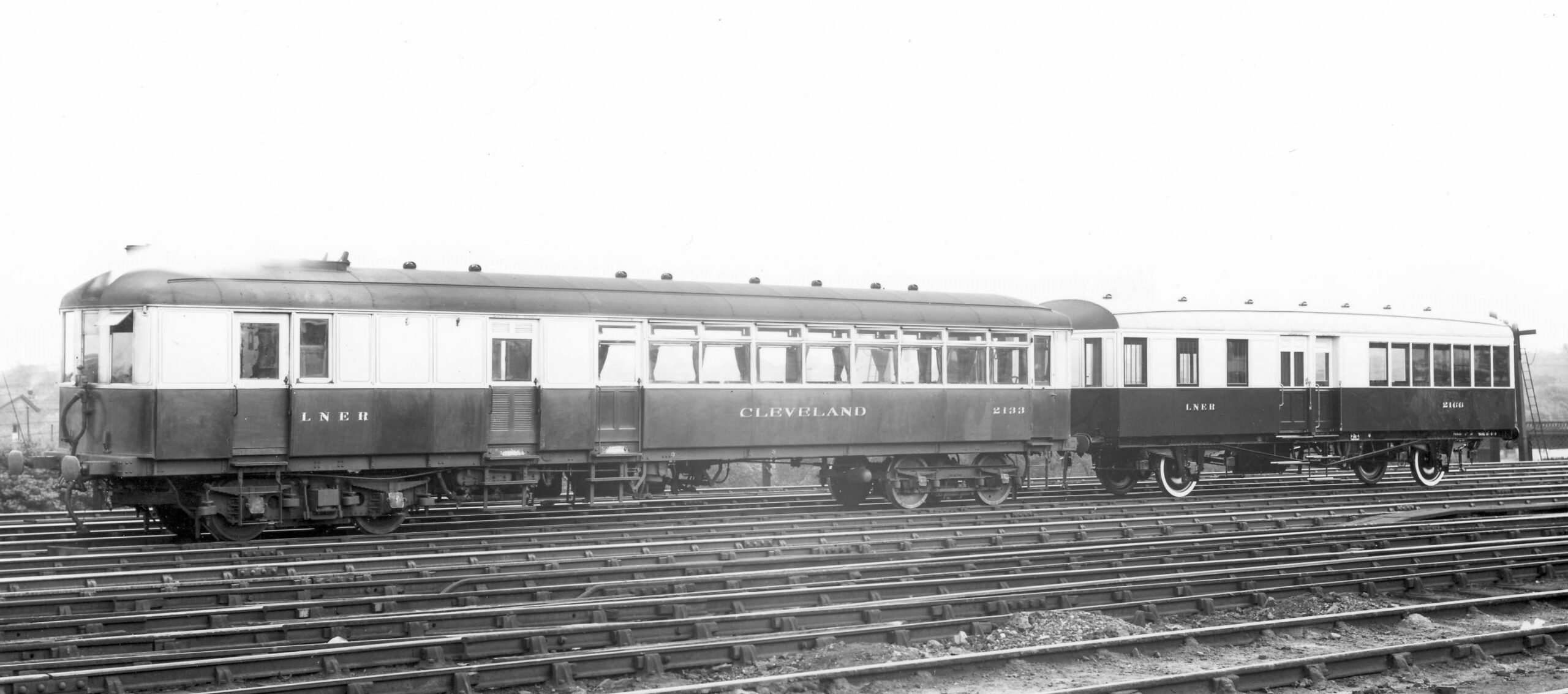
LNER Sentinel Railcars were innovative steam-powered vehicles introduced by Sir Nigel Gresley in the 1920s to reduce branch-line operating costs, combining a vertical boiler with passenger accommodation and running mostly in the North Eastern Area of Britain.
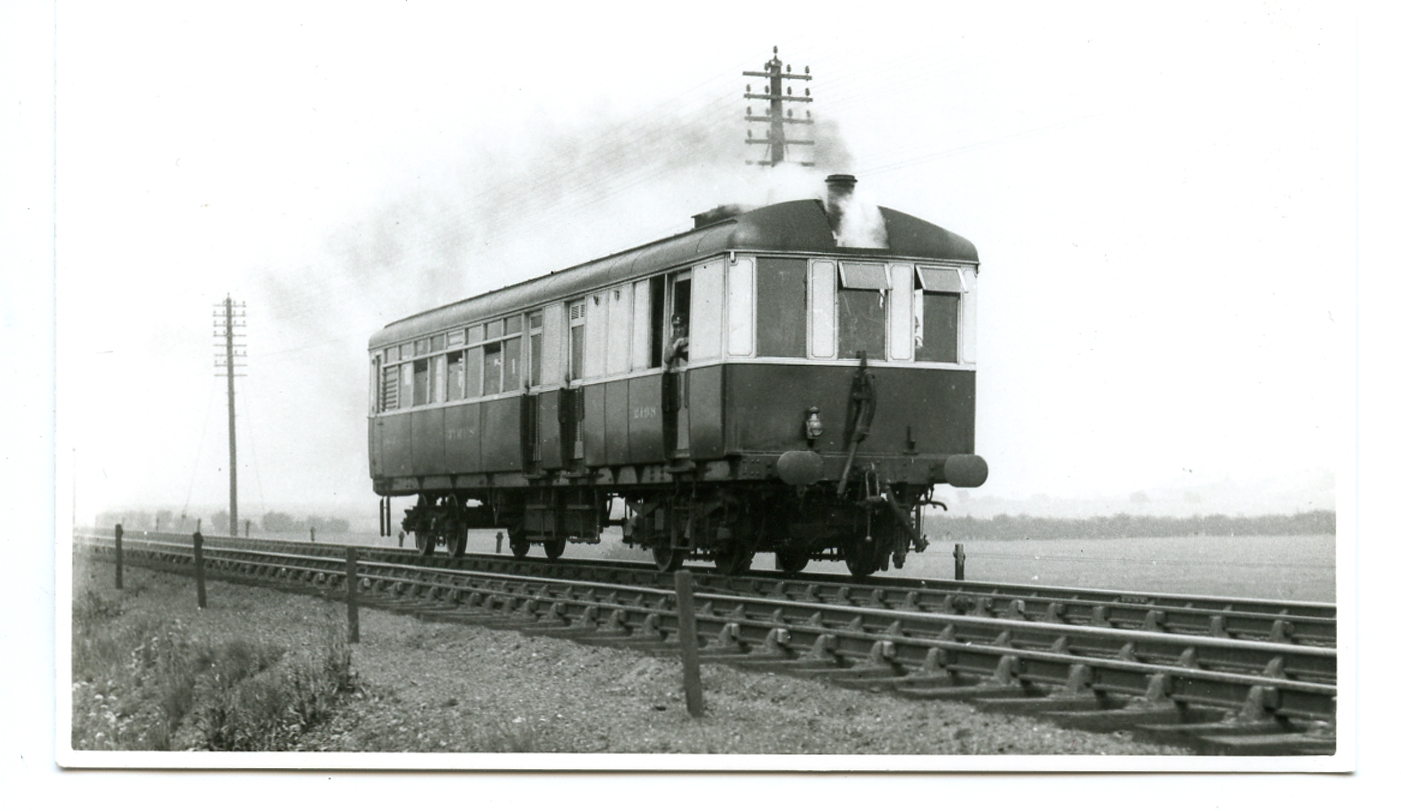
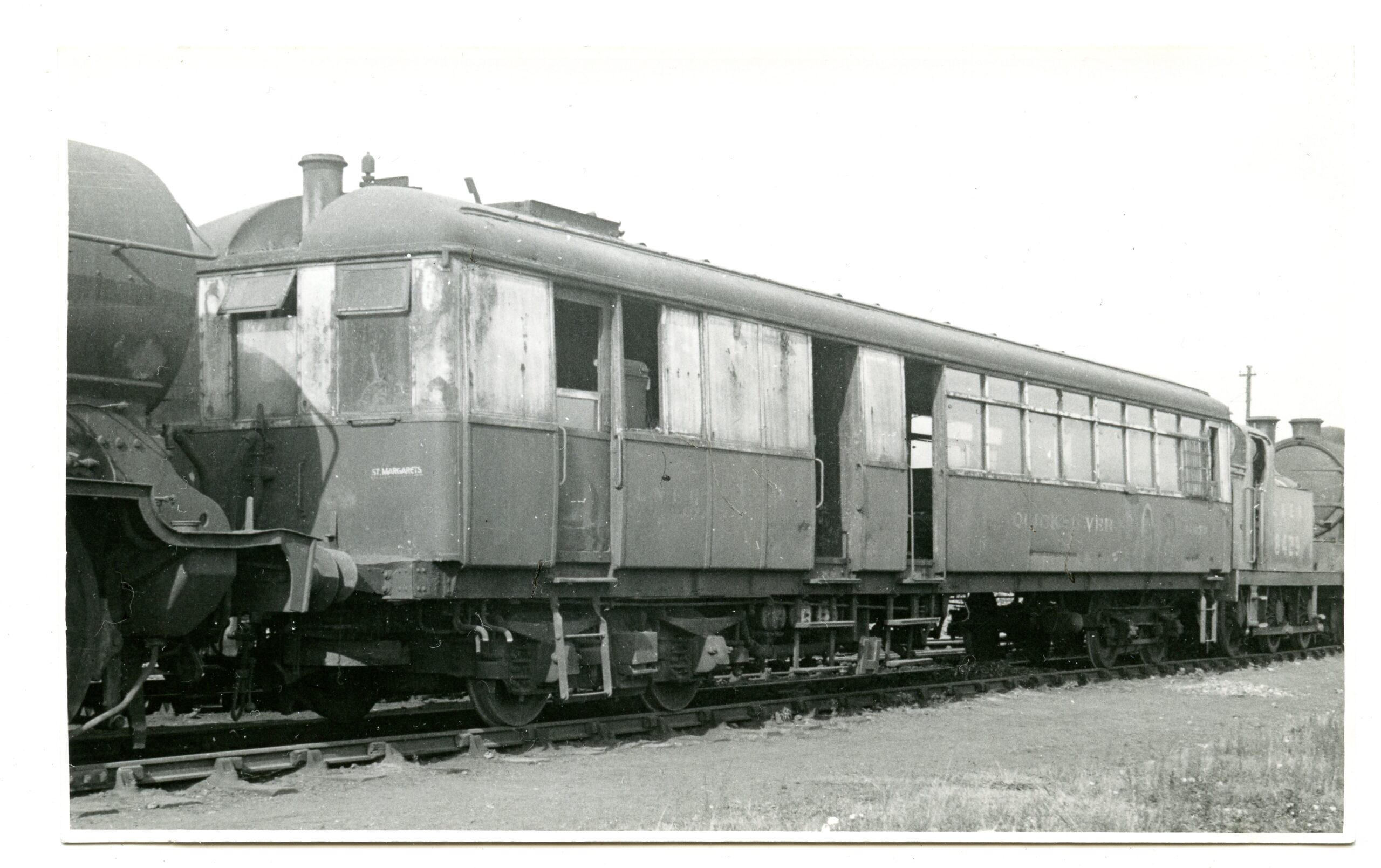
Sentinel Steam Railcars were built by Sentinel Waggon Works of Shrewsbury, with coachwork supplied by Cammell Laird & Co. The LNER trialled its first railcars after observing successes in the North East and at the British Empire Exhibition in 1924. Following positive trials, eighty Sentinel railcars were purchased between 1925 and 1932, making them a significant part of LNER’s efforts to provide cost-effective branch line services.
Sentinel railcars employed a vertical water-tube boiler. Early railcars had horizontal two-cylinder engines driving a chain-linked jackshaft, later replaced or supplemented with vertical engines and gear-driven layouts for improved reliability.
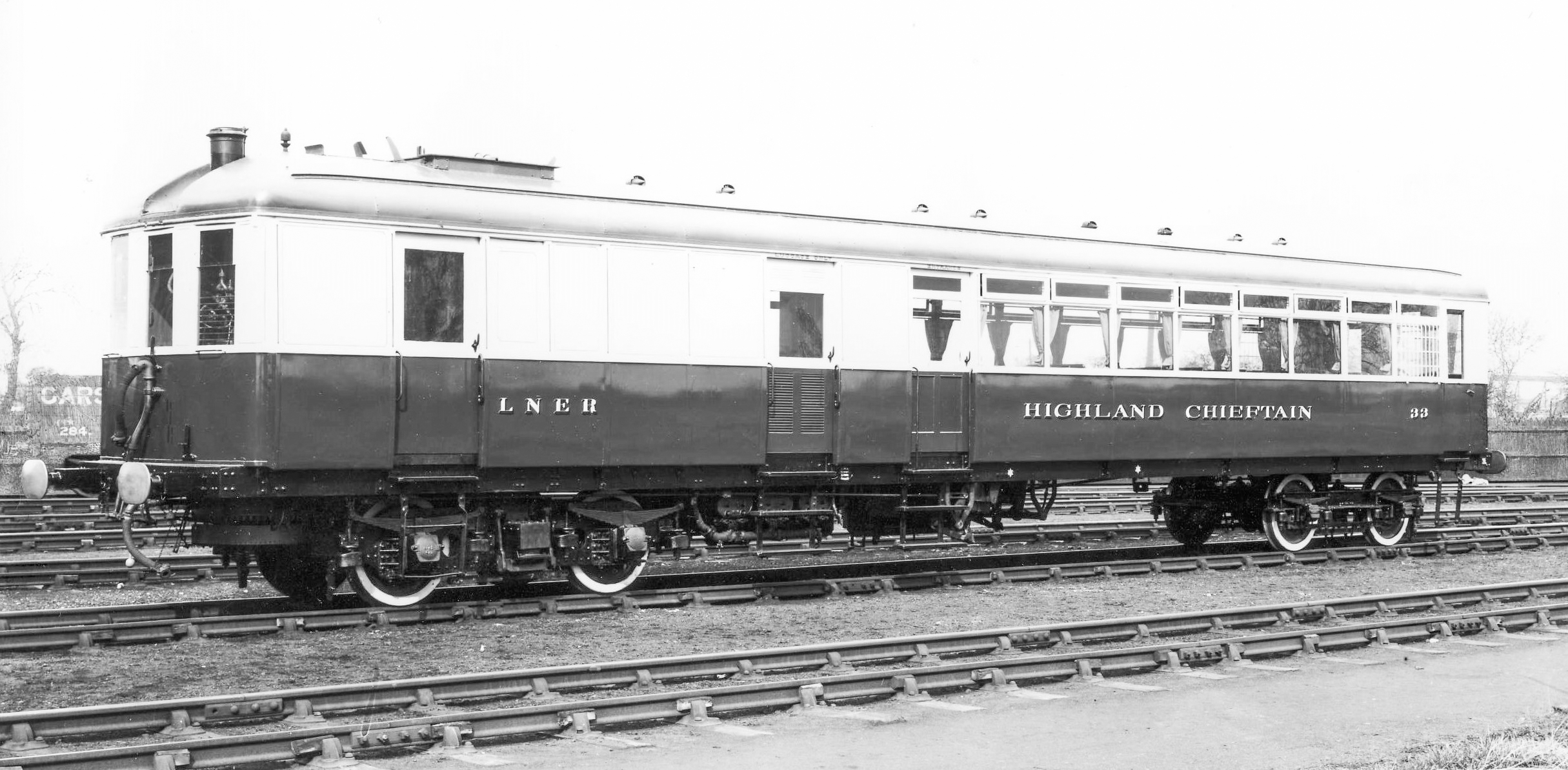
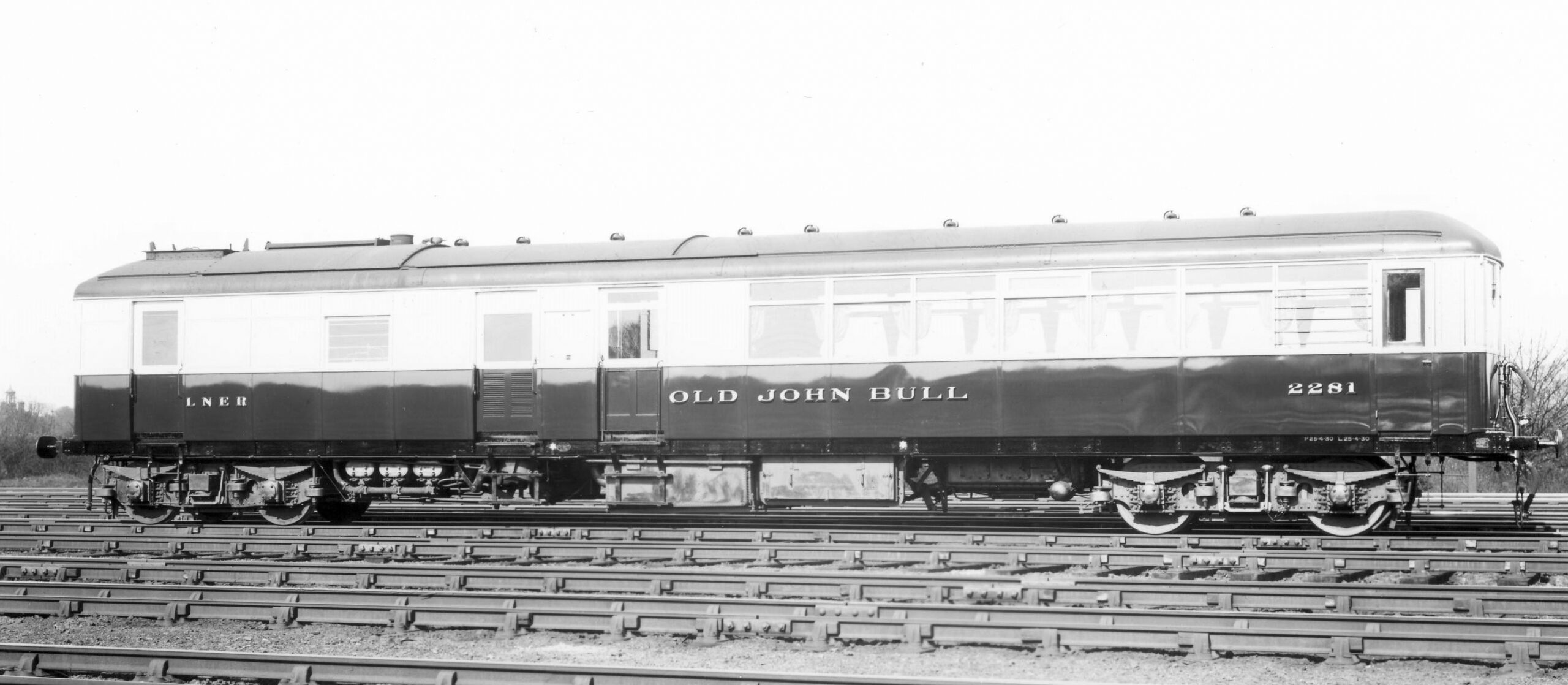
Passenger carriages were articulated to the power bogie using leather and steel joints. Saloon layouts varied, but seating was typically 52–64 third-class passengers, with luggage compartments and occasional standing space in vestibules.
The Northern and North Eastern Areas of the LNER saw most operations, covering routes from Hull to Tyneside, the Great North of Scotland section, and the Port Carlisle branch.
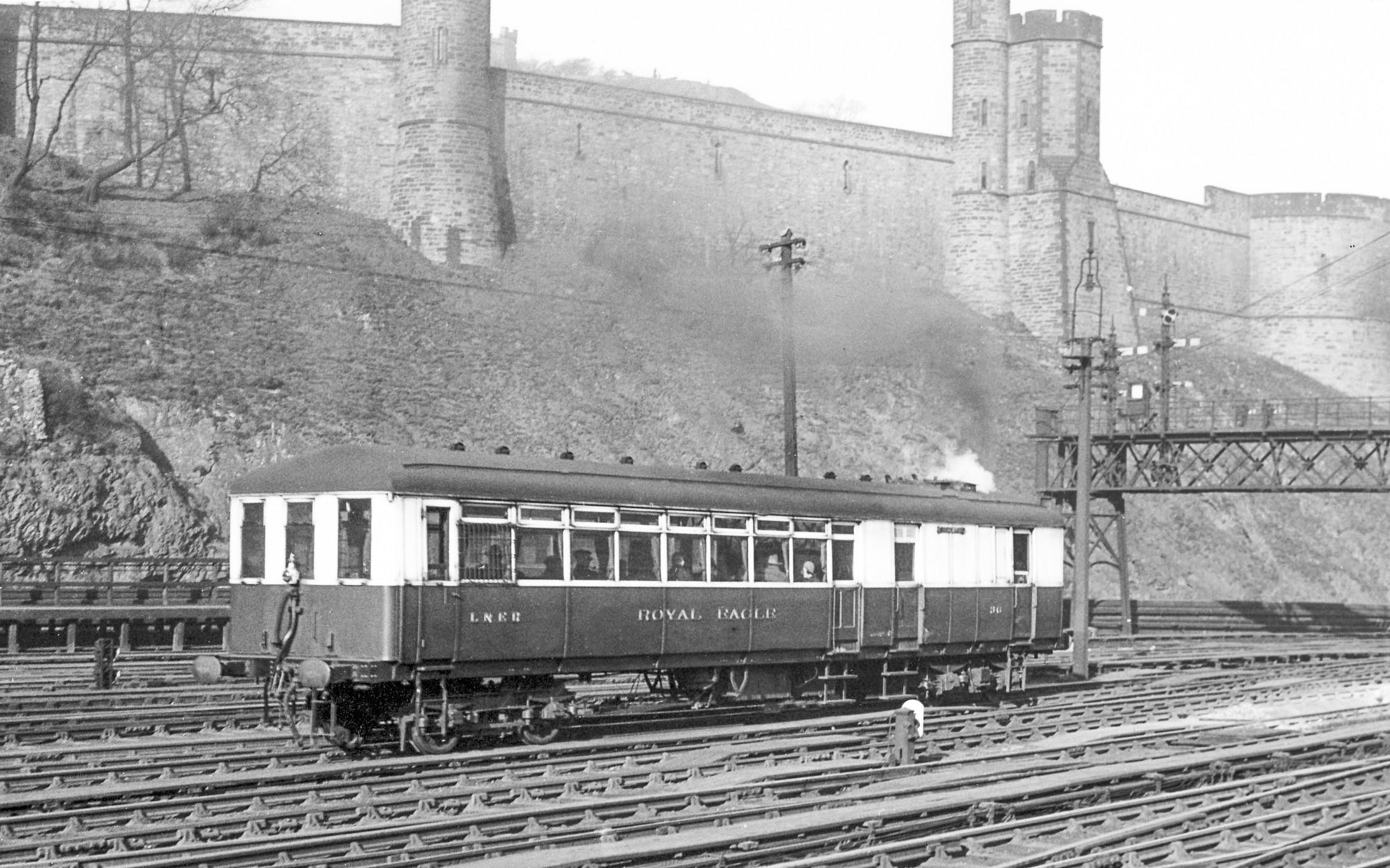
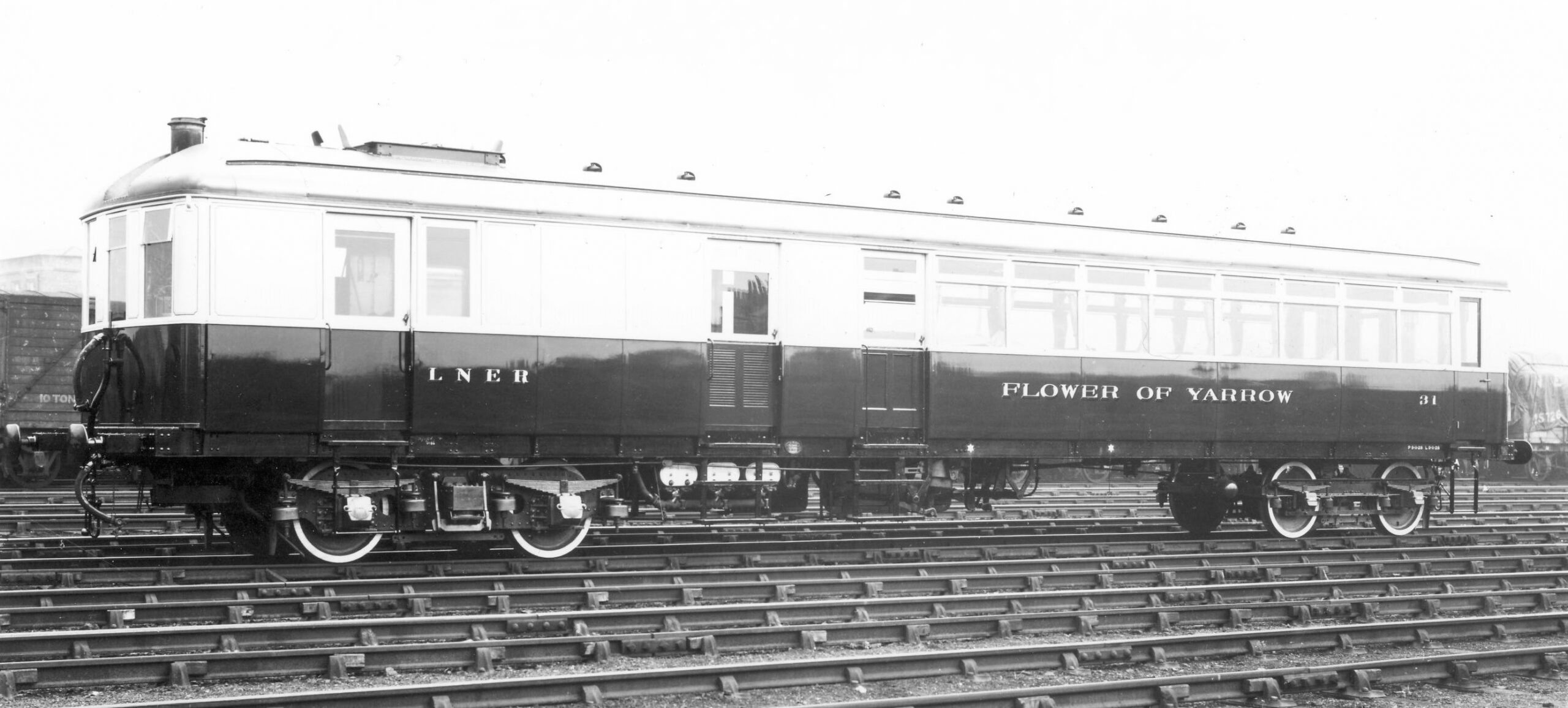
The Railcars carried names of traditional stagecoach services including ‘Clydesdale’ and ‘Flower of Yarrow’.
Early/Prototype-Style (1925)
Diagram 14600-614E (2 built, Nos. 12E/13E): Lightweight articulated design with horizontal 2-cylinder “Super Sentinel” engine (6.75 × 9 in), chain drive, small vertical boiler (~275 psi). ~52 seats, 8 ft wide body, ~17 tons. Used trial bodies; underpowered in poor weather. Both rebuilt in 1930 (into Diagrams 152/153).

Chain-Driven Vertical Engine (Articulated, 1927–28)
Diagram 88 (2 built, 1927): Improved articulated design with vertical 2-cylinder engine (6.75 × 9 in), chain drive, larger boiler. 9 ft wide body, 64 seats (later ~59), drawgear/buffers fitted, ~23.25 tons. Better performance and capacity than early cars.
Diagram 89 (20 built, 1928): Refinement of Diagram 88. Similar vertical 2-cylinder chain-driven setup but with modified coal bunker access (roof trap doors), forward luggage compartment, enlarged vestibule for standing passengers (~59 seats). Extensively used in the North East.
Gear-Driven Rigid Body (Main Production, 1928–31)
Diagrams 93, 96 & 97 (~49 built, 1928–31): Main production rigid cars with 6-cylinder vertical engines (6 × 7 in), cardan shaft/gear drive, 300 psi boiler. ~59 seats, 9 ft wide, ~28–29 tons. Diagrams 96/97 were the most numerous and visually similar (subtle detail differences, e.g., in body or fittings); often nicknamed “Chip Vans” for their colourful liveries and smoky exhaust. Widely allocated across NE, Scottish, and other areas.
Diagram 90 (1 prototype, 1928, Integrity): First rigid-body (non-articulated) experimental car on two bogies. Vertical 2-cylinder engine (7 × 9 in), gear drive, 300 psi boiler. ~59 seats, ~29 tons. Successful trials led to further gear-driven orders.
Double-Engine Designs (1930–32)
These used two engines/boilers for ~200 hp output, rigid bodies, and higher capacity:
Diagram 98 (and related 159; 5 built): Double-engine (12 cylinders total) variants. One example rebuilt from earlier stock.
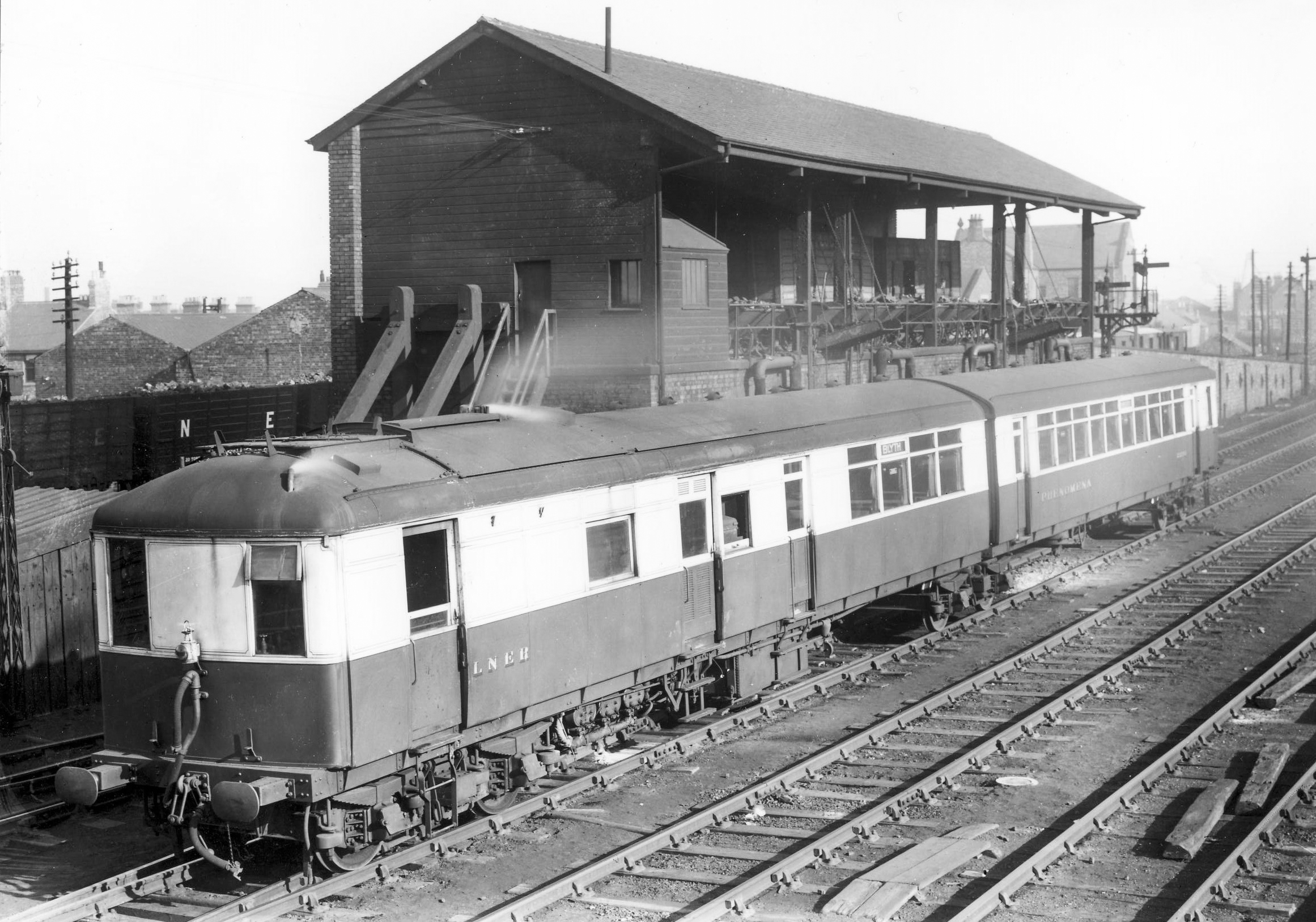
Diagram 99/100 (1 twin articulated unit, Phenomena, 1930): Power car (Diagram 100) + trailer (Diagram 99). Combined high capacity (e.g., ~39 + 83 seats). Rare articulated double-engine type.
Diagram 209 (1, ex-Axholme Joint, 1933): Additional rigid example acquired later.
The Sentinel Railcars were an important experiment in early self-contained steam railway vehicles, blending the efficiency of railcars with steam locomotive power. They demonstrated innovations in vertical boiler engineering, articulated carriage design, and branch-line service cost reduction, influencing subsequent railcar designs across Britain.
The Sentinel Railcars often outperformed early Armstrong-Whitworth diesel-electric railcars, achieving high mileage of over 30,000 miles per year. Gradually, the entire fleet was withdrawn between 1939 and 1948 due to increased maintenance costs during World War II. None were preserved.