Sentinel class Y1
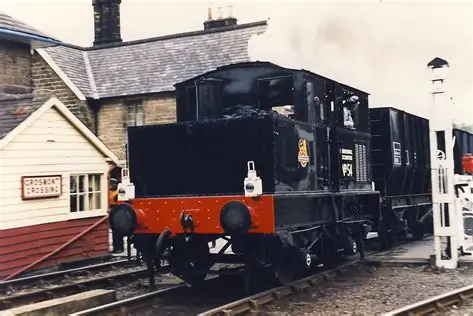
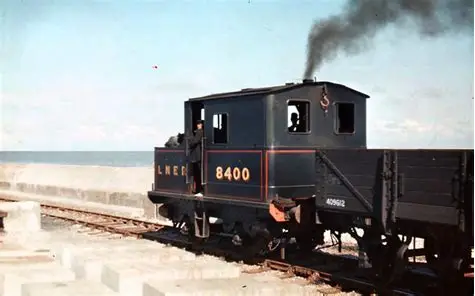
The LNER class Y1 is a compact 0-4-0 geared steam shunting locomotive built by Sentinel Wagon Works, introduced in 1925 for light yard duties.
The LNER class Y1 was a class of small 0-4-0 geared tank steam locomotives designed for shunting in confined spaces such as docks, collieries, and branch lines.

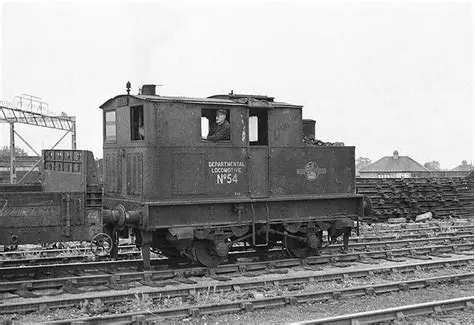
Built by Sentinel Waggon Works of Shrewsbury, the class was introduced in 1925 and remained in service under British Railways after nationalization in 1948, numbered Nos. 68130–68153, though 68134 was withdrawn almost immediately. A total of 24 locomotives were produced between 1925 and 1933, subdivided into sub-classes Y1/1 (7 examples), Y1/2 (15 examples), Y1/3 (1 example), and Y1/4 (1 example).
The class Y1 featured a vertical superheated water-tube boiler, adapted from Sentinel’s steam wagons, which allowed rapid steam raising, essential for frequent stop-start shunting. The locomotives had two vertical cylinders (6¾ × 9 inches) connected to a common crankshaft with camshafts, and power was transmitted to the wheels via roller chains and sprockets, providing a constant drawbar pull without hammer blow. The single-speed gearbox limited the top speed to around 21 mph, making them unsuitable for mainline work but ideal for yard operations. They consumed approximately 15 pounds of coal per mile and could be operated by a single crew member, enhancing efficiency.
The class Y1s were primarily used for shunting in small yards and light industrial lines, where track conditions were often poor and larger locomotives were impractical. Their short wheelbase and geared drive allowed precise maneuvering over humps and tight curves. Compared to the class Y3, the class Y1 was a single-speed unit, while the class Y3 had a two-speed transmission for slightly higher speeds.
Most class Y1s were withdrawn in the late 1940s and 1950s, with seven surviving into departmental use into the early 1960s. One example, BR No. 68153 (originally LNER No. 59), is preserved and operational at the Middleton Railway in Leeds, having returned to service in 2020.