Holden class B12
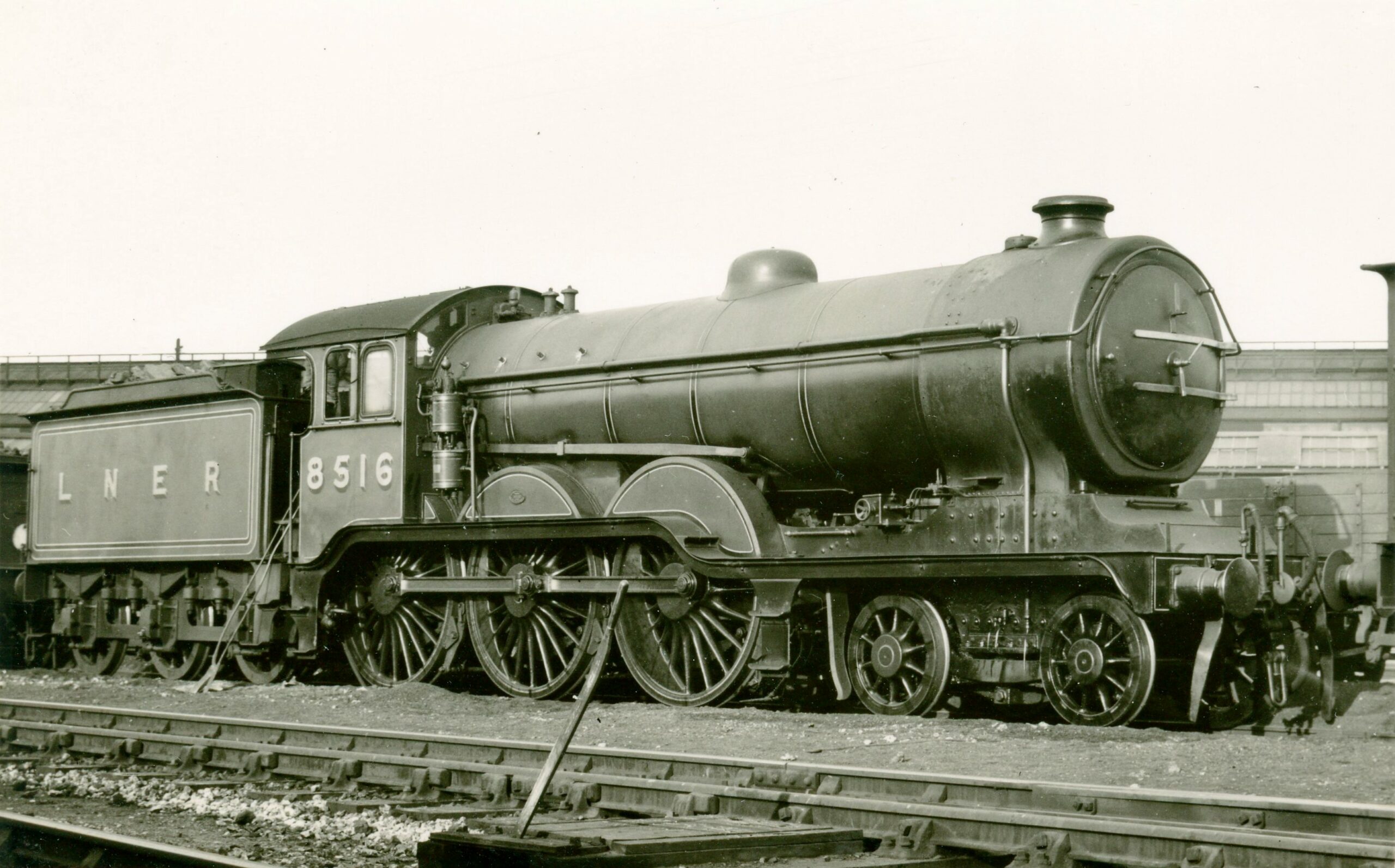
The Great Eastern Railway class S69 (LNER class B12) 4-6-0s were designed by S. D. Holden for express passenger work and introduced in 1911.
The class B12 class was initially designed as the GER Class S69, also known as the ‘1500 Class’, to replace the aging ‘Claud Hamilton’ 4-4-0 locomotives. The design aimed to provide a more powerful locomotive with a light axle loading suitable for the GER’s infrastructure.
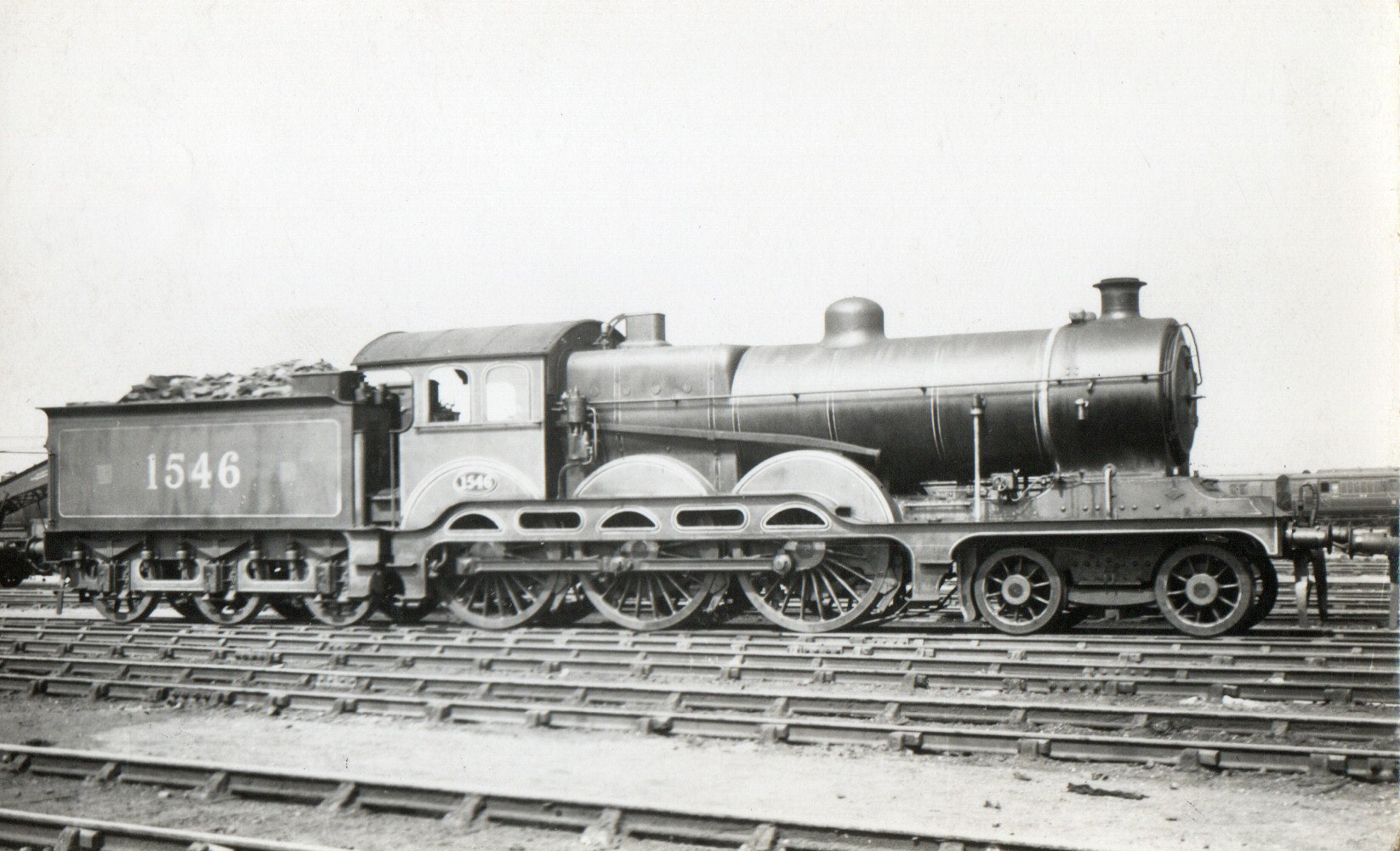
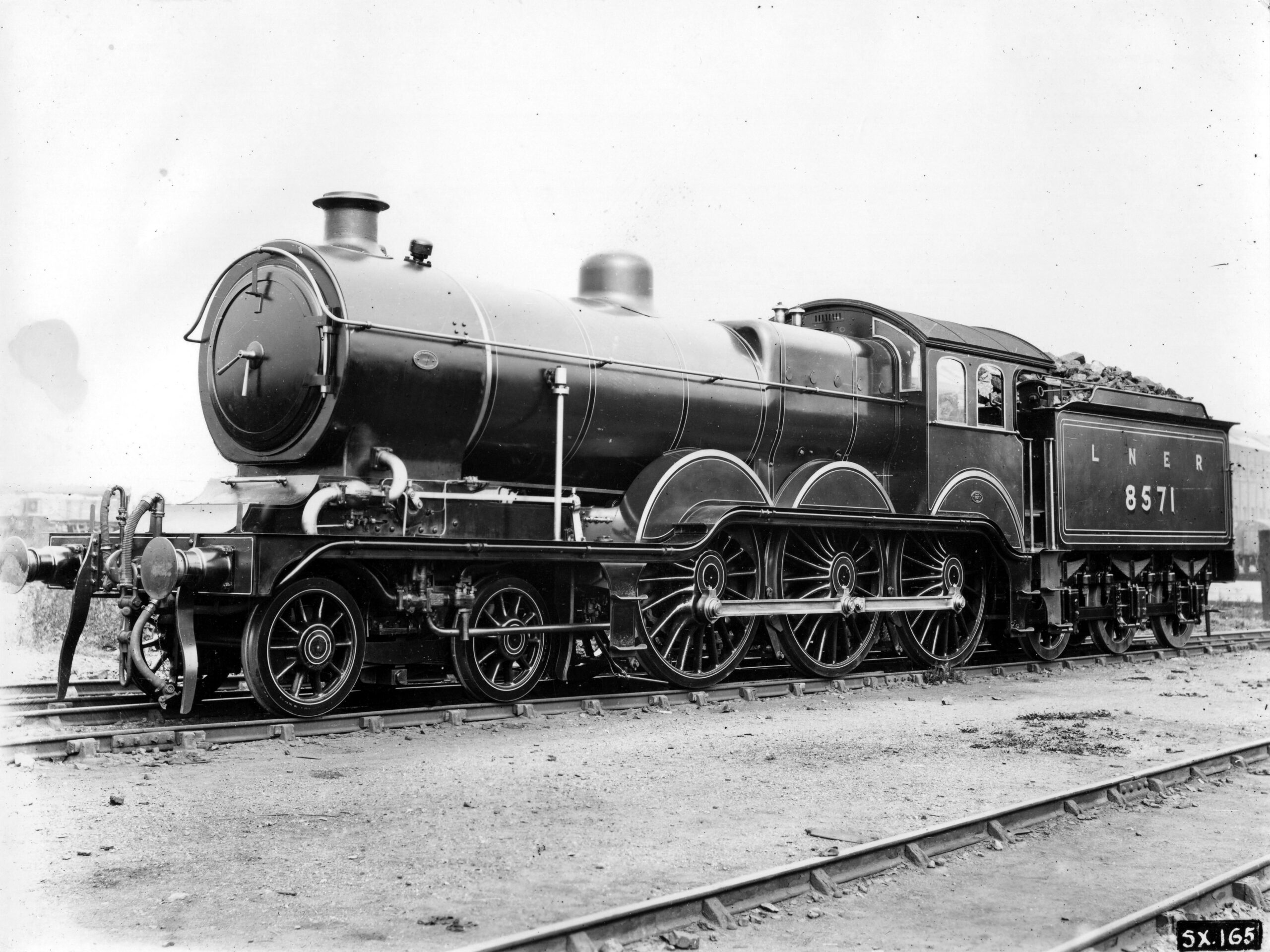
A total of 71 locomotives were built between 1911 and 1921, with the first locomotive numbered 1500. The design featured a 4-6-0 wheel arrangement, which was relatively compact compared to other contemporary designs. Fifty-one of these were built at the GER’s Stratford Works and the remaining 20 by William Beardmore and Company. A further 10 locomotives were built by Beyer, Peacock and Company for the LNER in 1928 and numbered 8571–8580. From 1948 the British Railways numbers were 61500–61580 (with gaps).
The class B12 locomotives had a driving wheel diameter of 6 feet 6 inches and were equipped with a Belpaire firebox. The internal cylinders were increased in size to enhance performance.
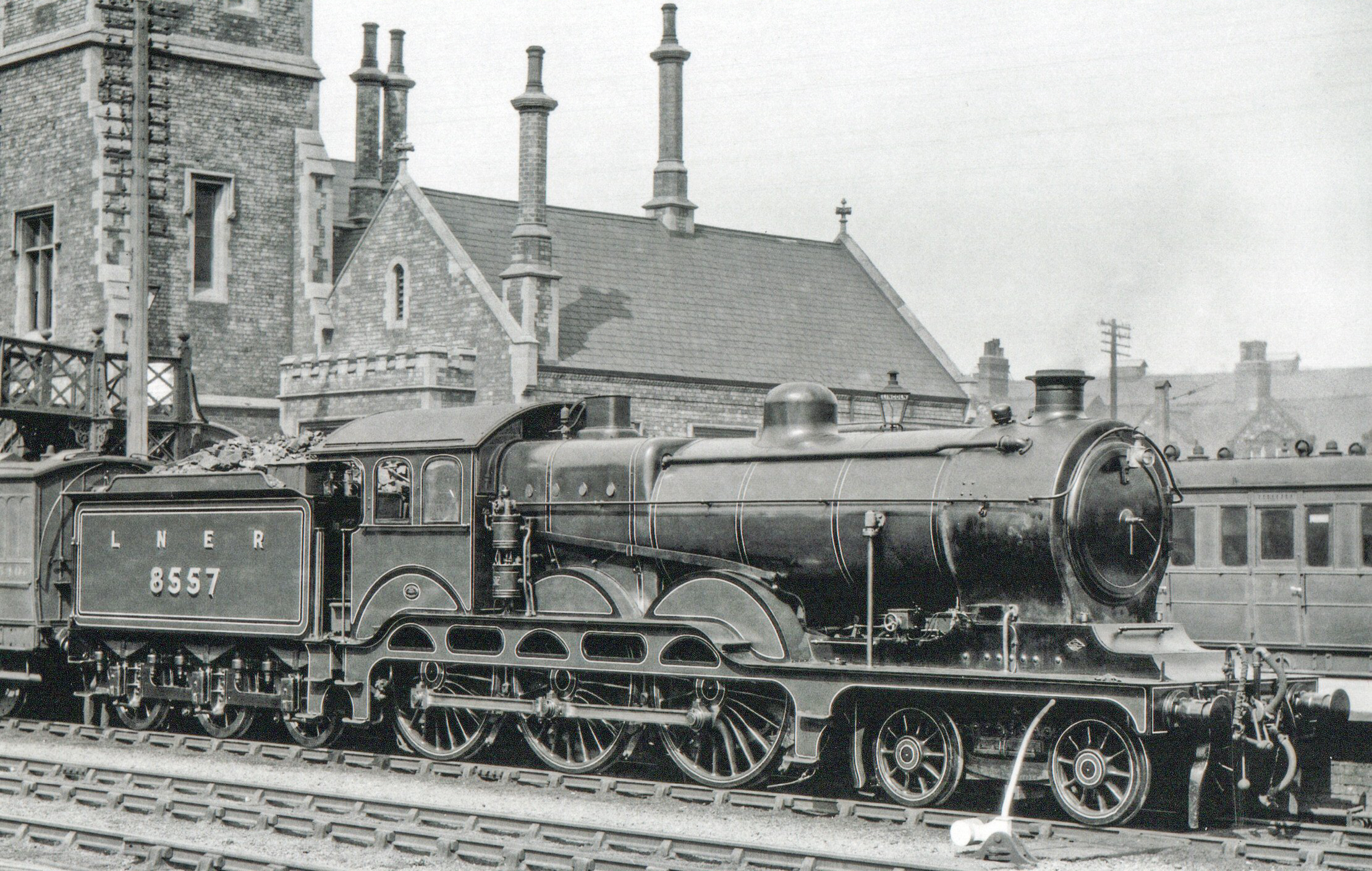
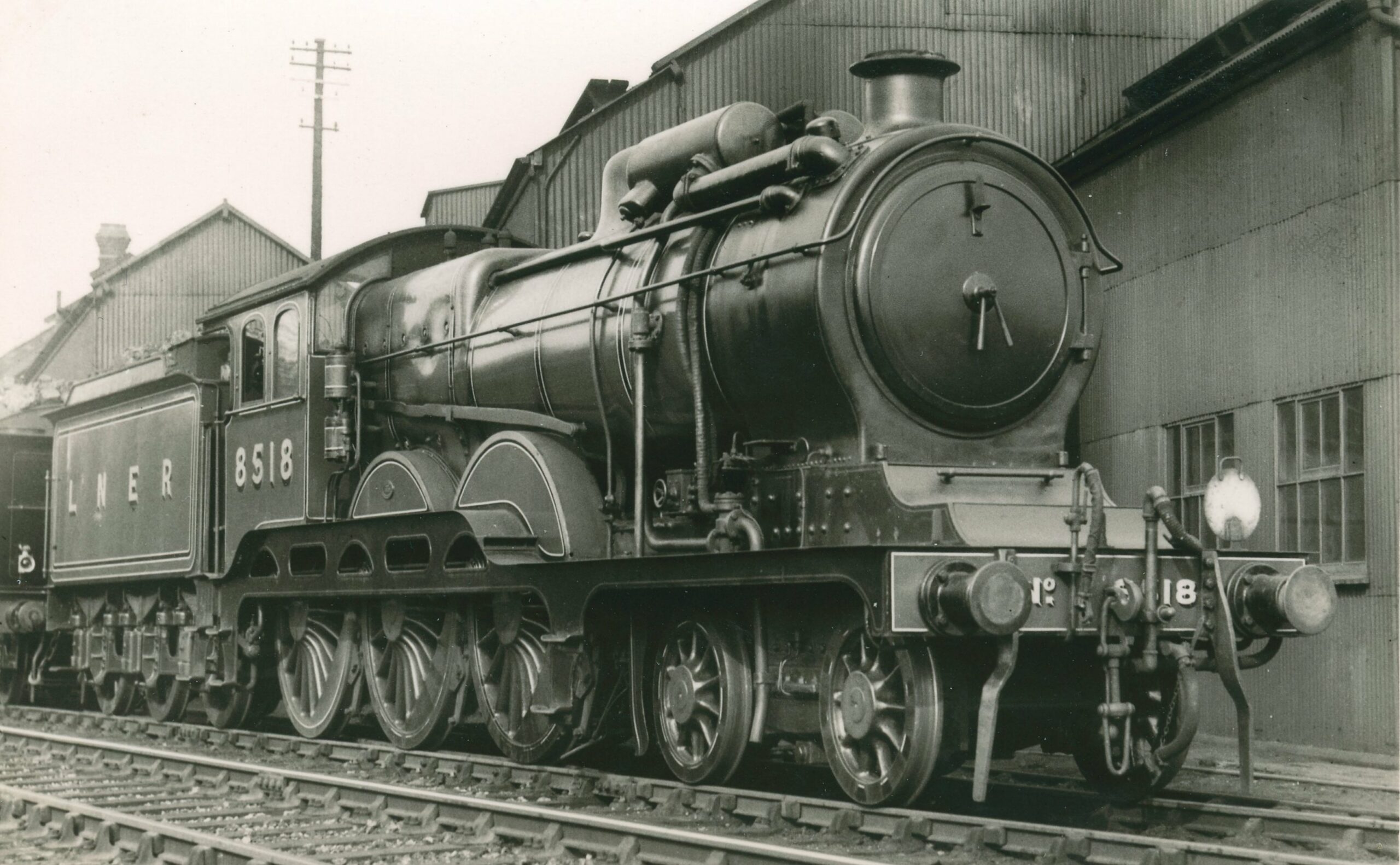
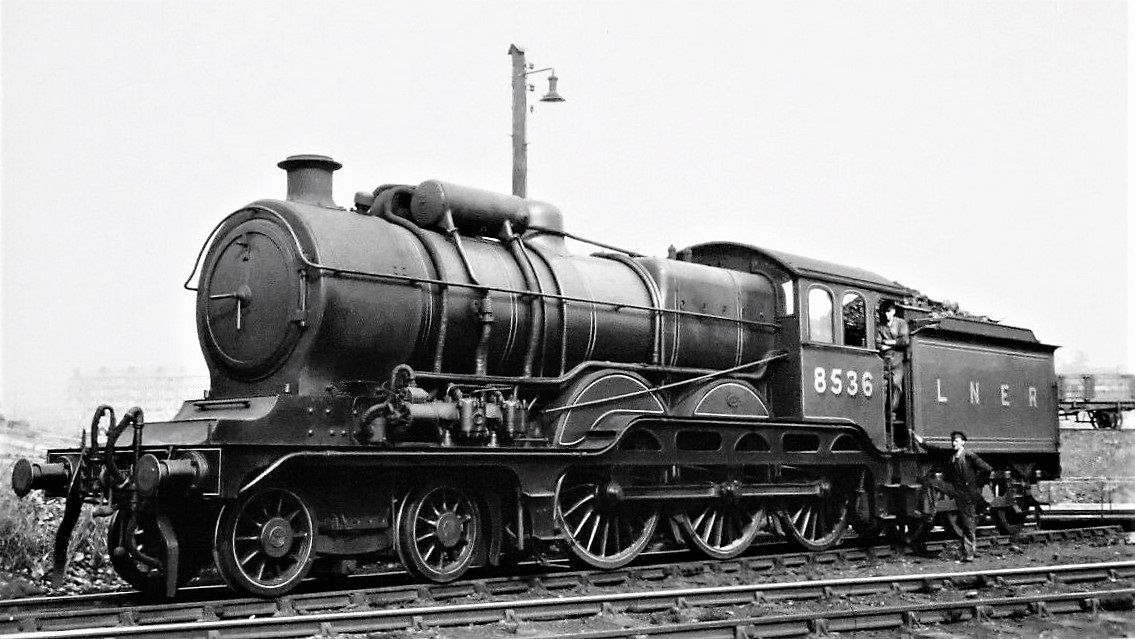
All the class B12 locomotives were fitted with vacuum ejectors between 1924 and 1929 (the 1928 batch had them from new). Fifty-five locomotives were fitted with ACFI feedwater heaters between 1927 and 1934, but these were removed between 1934 and 1942.
The first substantive change was the fitting of Lenz poppet valves to the 1928 batch (from new), and six of the ex-GE locomotives (Nos. 8516/19/25/32/33/40). These locomotives were then classified as class B12/2. The poppet valves were not a great success and they all reverted to or were converted to piston valve engines between 1931 and 1934.
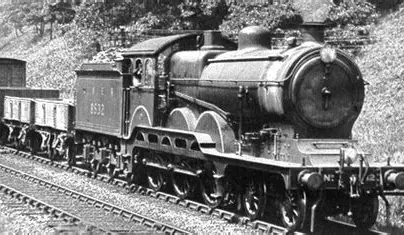
As newer power became available, the locomotives’ low axleload made them ideal candidates for transfers elsewhere. Consequently, between 1931 and 1942, twenty-five locomotives were transferred to Scotland for use on the former Great North of Scotland Railway lines.
Starting in 1932, a programme began of rebuilding the class B12 locomotives with larger diameter boilers. The Diagram 99A boilers utilised were 5 foot 6 inch diameter, compared with the 5 foot 1 1⁄8-inch diameter originals. These rebuilt locomotives were classified as class B12/3, and as they had a higher axleload, none of the Scottish-allocated locomotives were included. The last to be rebuilt was No. 8549 in 1944, leaving No. 8534 as the last English class B12/1; but it was withdrawn the following year without being rebuilt.
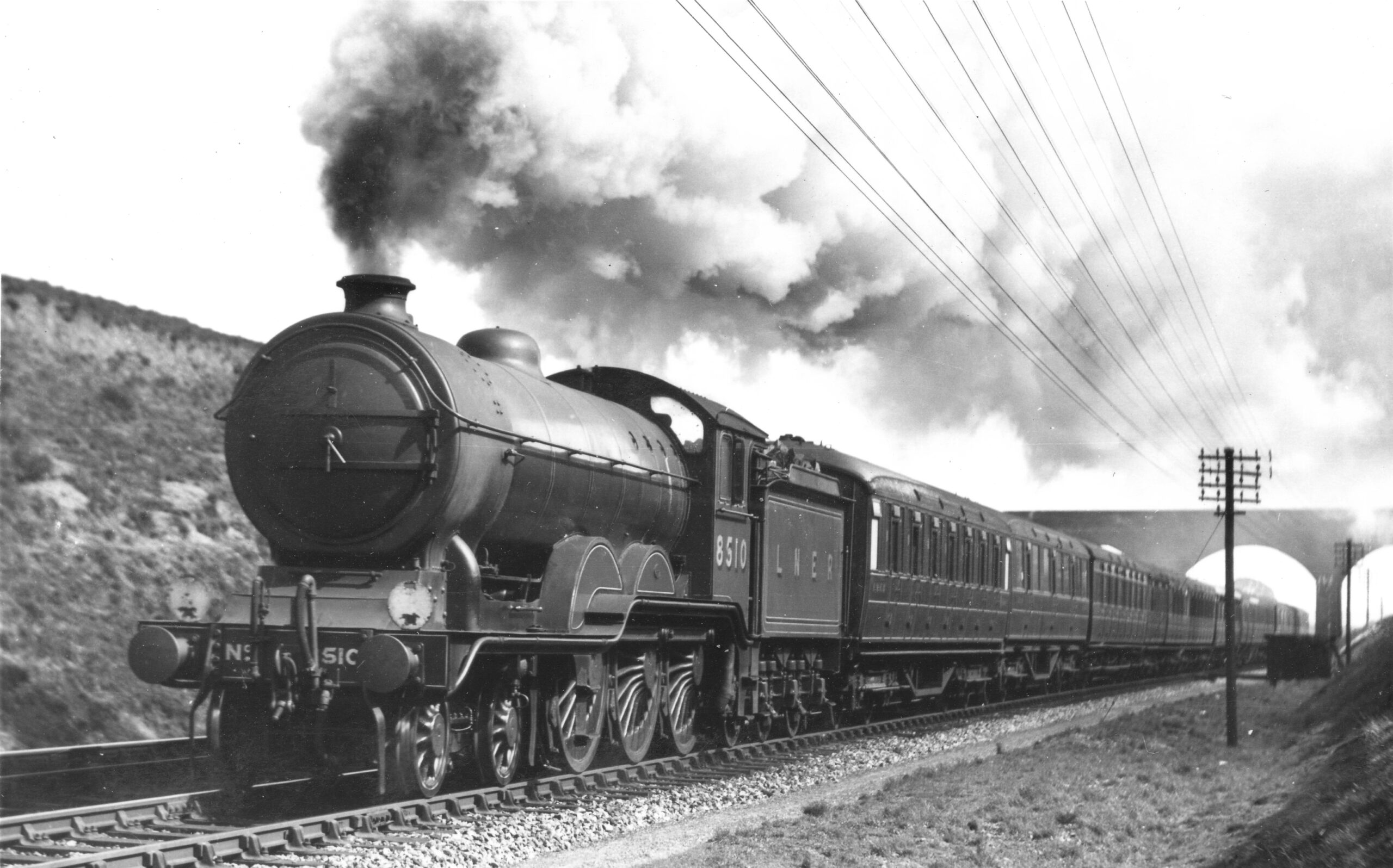
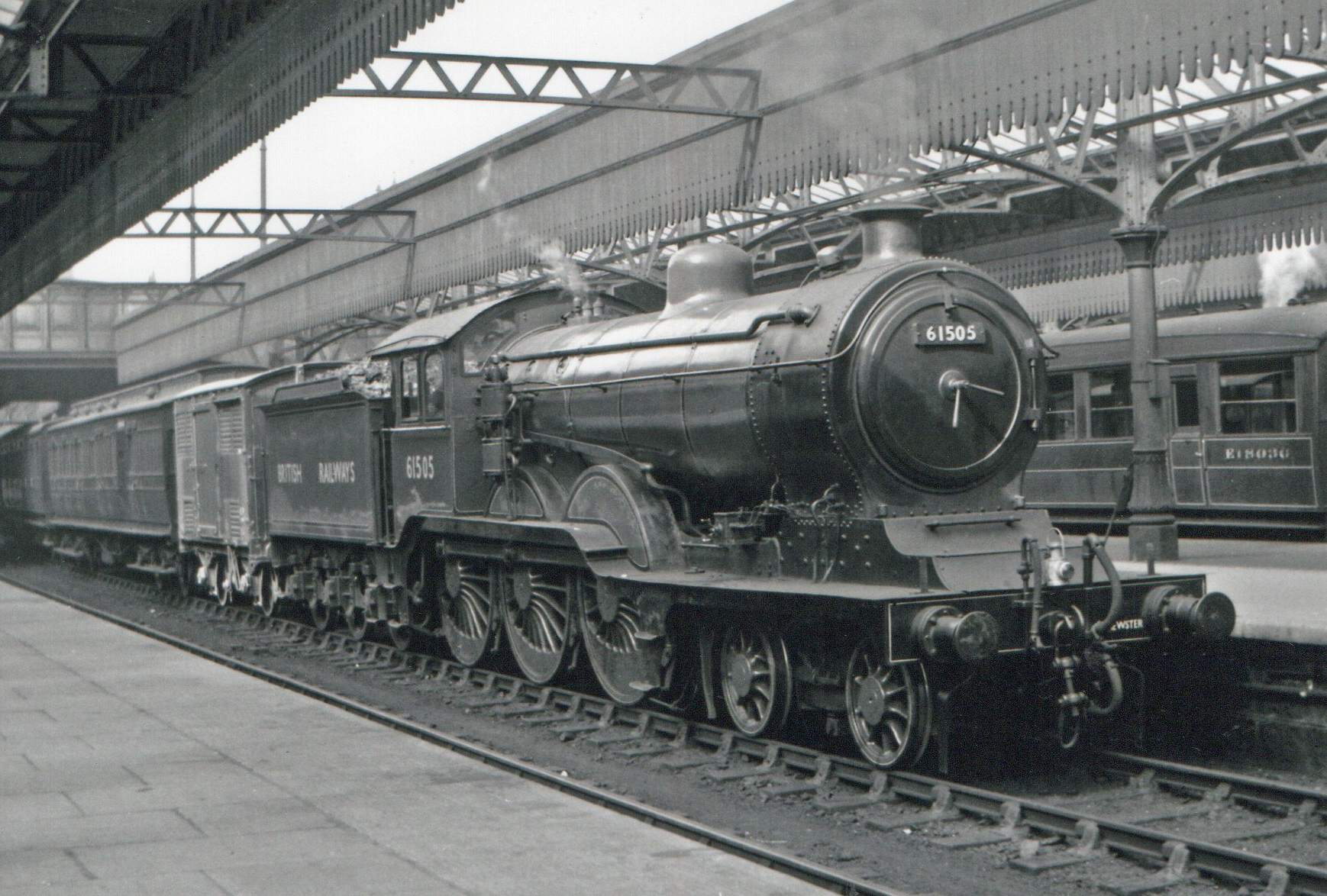
As the Scottish locomotives also required new boilers, a new design was started in 1941, based on the old design but with a round-topped firebox and other detail changes. Thirty of these Diagram 25A boilers were manufactured at Doncaster and Stratford between 1942 and 1946. Nine were sent to Inverurie Works for fitting to class B12 locomotives, the remainder went to Stratford for fitting to class J20 locomotives. The class B12 locomotives fitted with the Diagram 25A boiler (Nos. 1500/04/05/07/08/11/24/26) were classified as class B12/4.
The class B12 class was primarily used for hauling express passenger trains on the Great Eastern Main Line from London Liverpool Street station. Their low axle loading made them suitable for various routes, including those with lighter track.
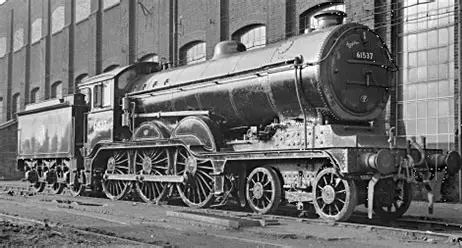
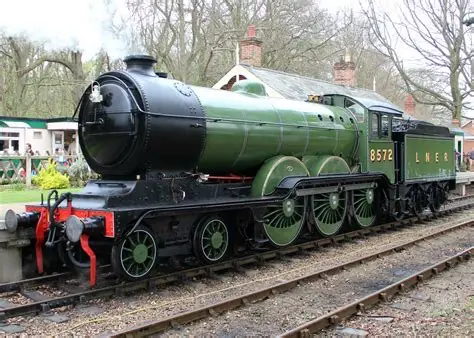
The class was gradually withdrawn from service, with the last locomotives being retired by the end of 1961. However, one locomotive, LNER No. 8572, has been preserved and restored to steam at the North Norfolk Railway, where it serves as its flagship locomotive.