Hill class J68
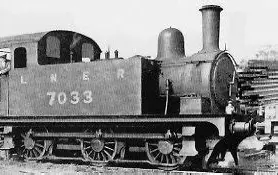
The Great Eastern Railway class C72 (LNER class J68) is a class of 0-6-0T steam locomotives designed by A. J. Hill for suburban passenger and shunting duties and introduced in 1912.
The LNER class J68 were 0-6-0T steam locomotives, originally built as GER class C72 by A. J. Hill, designed for suburban passenger and shunting duties, with a total of 30 produced between 1912 and 1923.
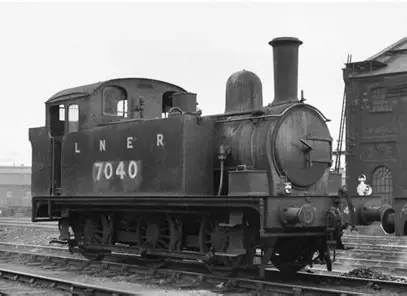
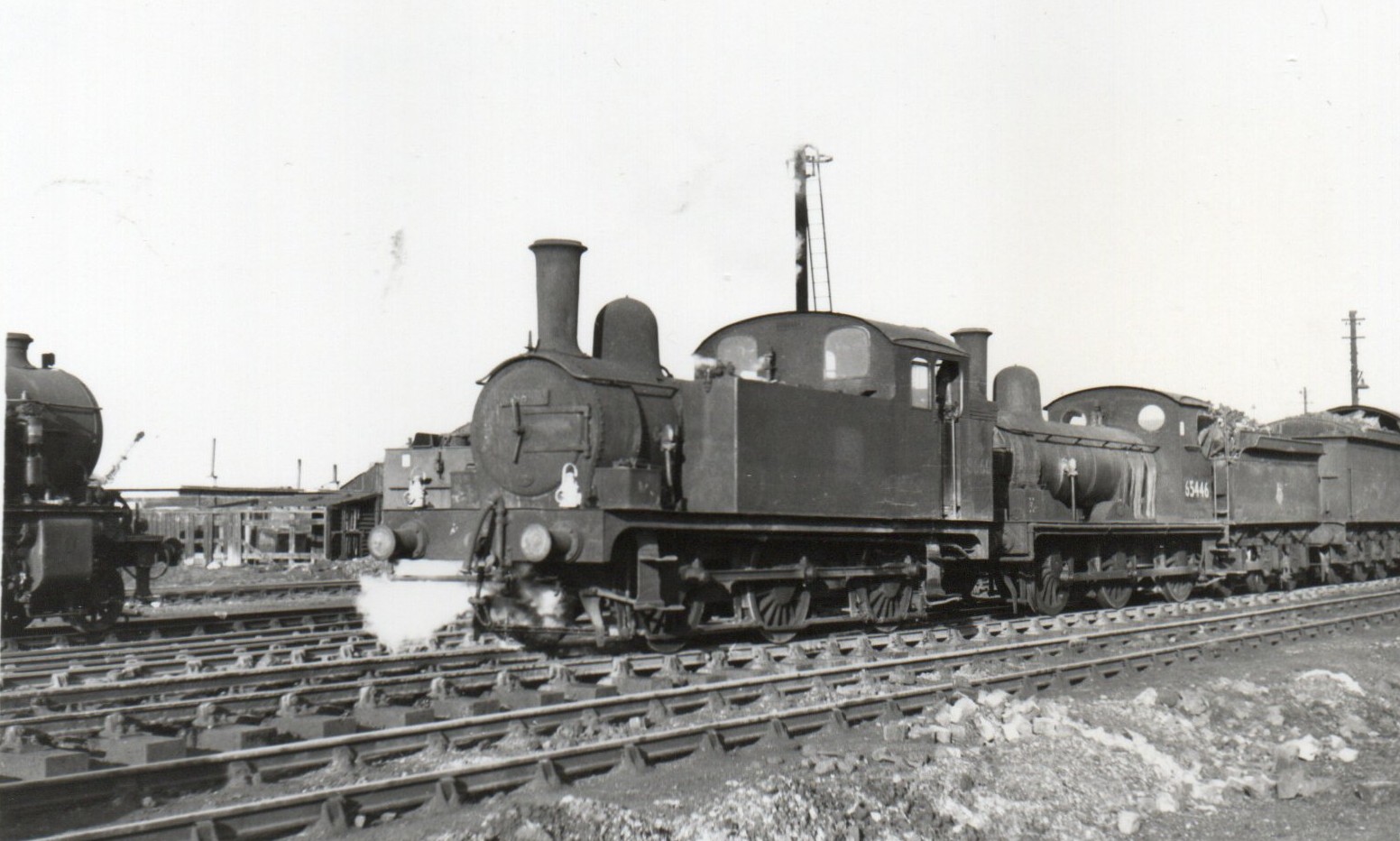
The class J68 locomotives were the final development of James Holden’s original 0-6-0Ts (T18 class) of 1886, improved under A. J. Hill for the Great Eastern Railway (GER) as the Class C72, later classified as J68 under the LNER after the 1923 grouping. A total of three batches of ten locomotives each were built in 1912, 1913-14, and 1923 by Gresley. Their lively ride led to the nickname “Buckjumper” along with the similar classes J67 and J69.
The class J68s were based on the earlier class J69s of 1904 and featured modern cabs with high roofs, side windows, and square spectacles. The first batch of ten locomotives was designed for suburban passenger services, while the subsequent batches of ten each were intended for shunting duties. Passenger variants included screw reverse gear, balanced ten-spoke steel wheels, and condensing gear, while shunting versions were fitted with lever reverse gear and unbalanced sixteen-spoke cast-iron wheels.
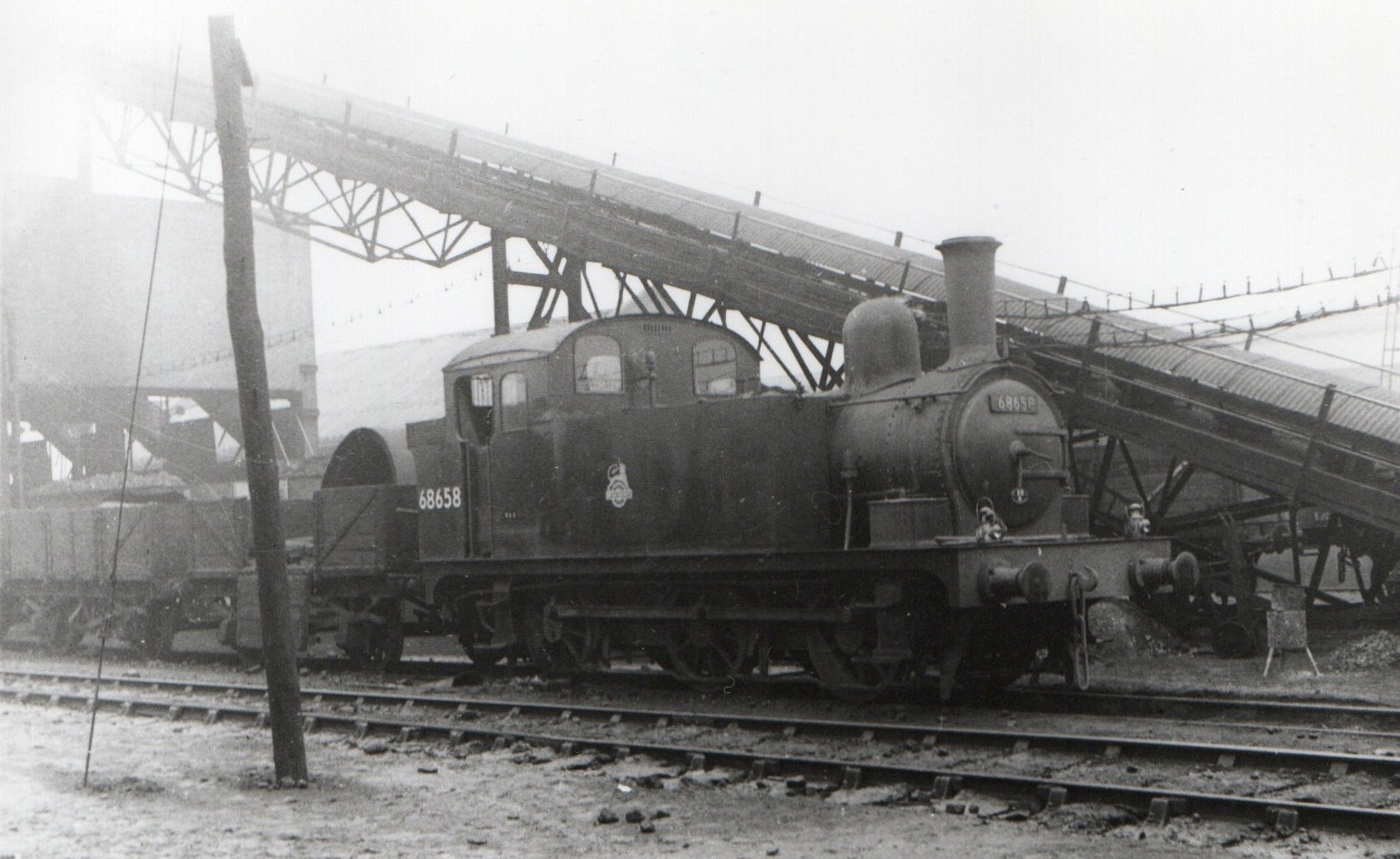
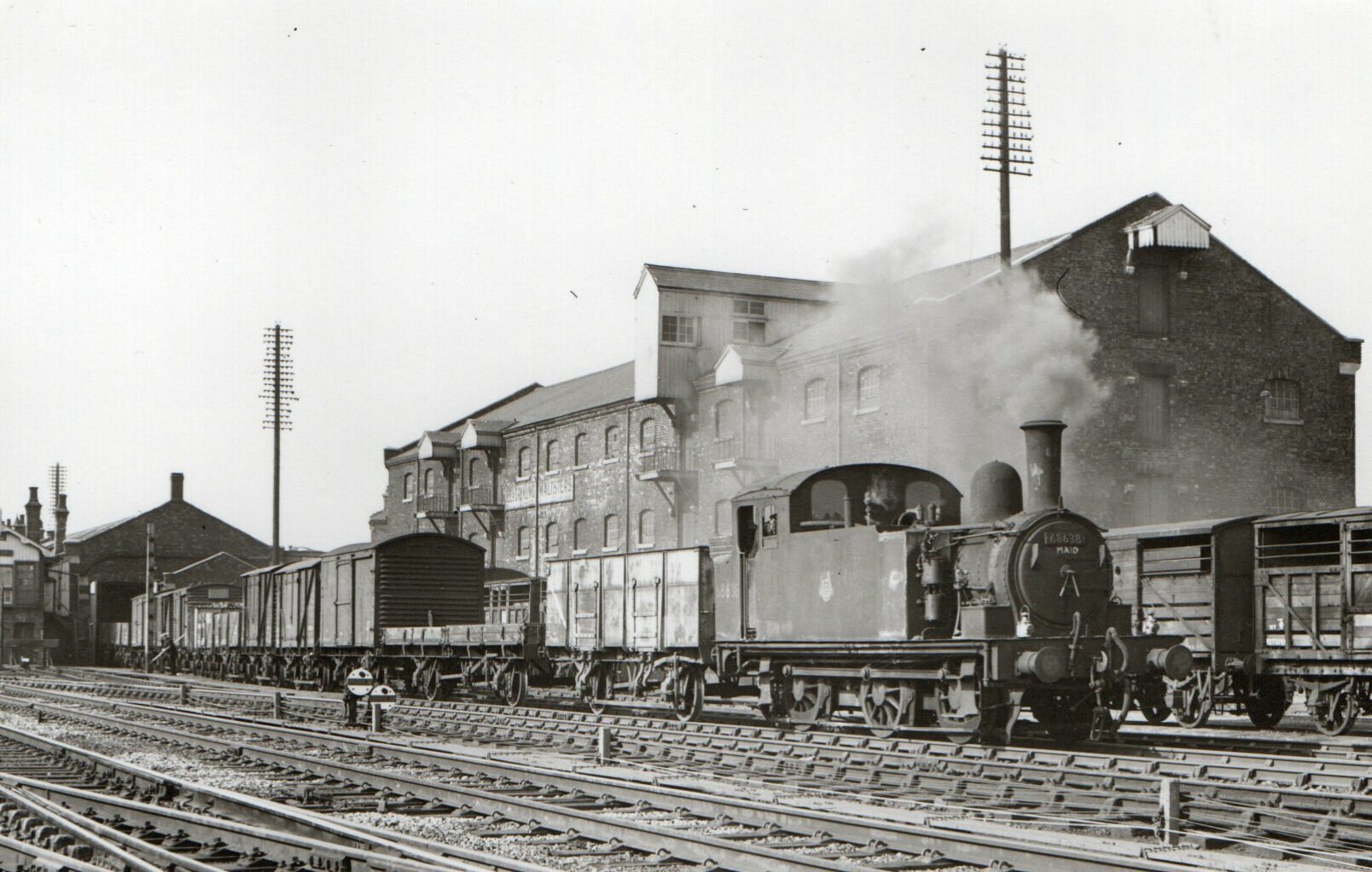
The first batch entered service on suburban “Jazz” trains on the Enfield Town and Chingford lines. Over time, they were gradually replaced by class N7 0-6-2T locomotives, with the passenger class J68s reassigned to pilot duties. Shunting locomotives served across East Anglia, Stratford, Lincolnshire, and beyond, including works at Worksop, Ardsley, and Boston.
During World War II, some locomotives were loaned to the War Department; for example, No. 7041 served on the Longmoor Military Railway and other military depots before being disposed of in 1946. Withdrawals began in 1958 with the last example taken out of service in 1961.
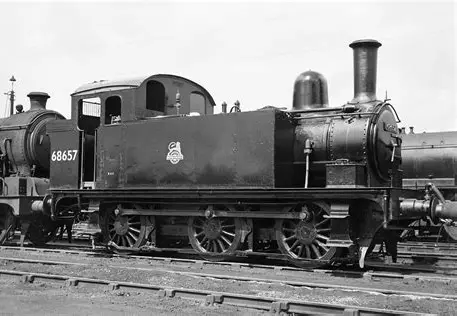
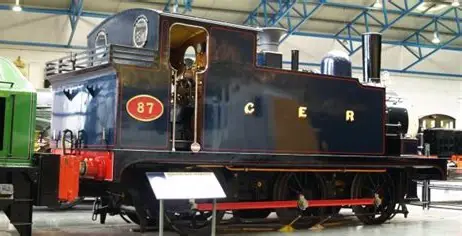
None of the class J68 locomotives were preserved, and all were scrapped after withdrawal. However, class J69/1 No. 7087 has been preserved in the National Collection.