Wickham Rail Trolleys
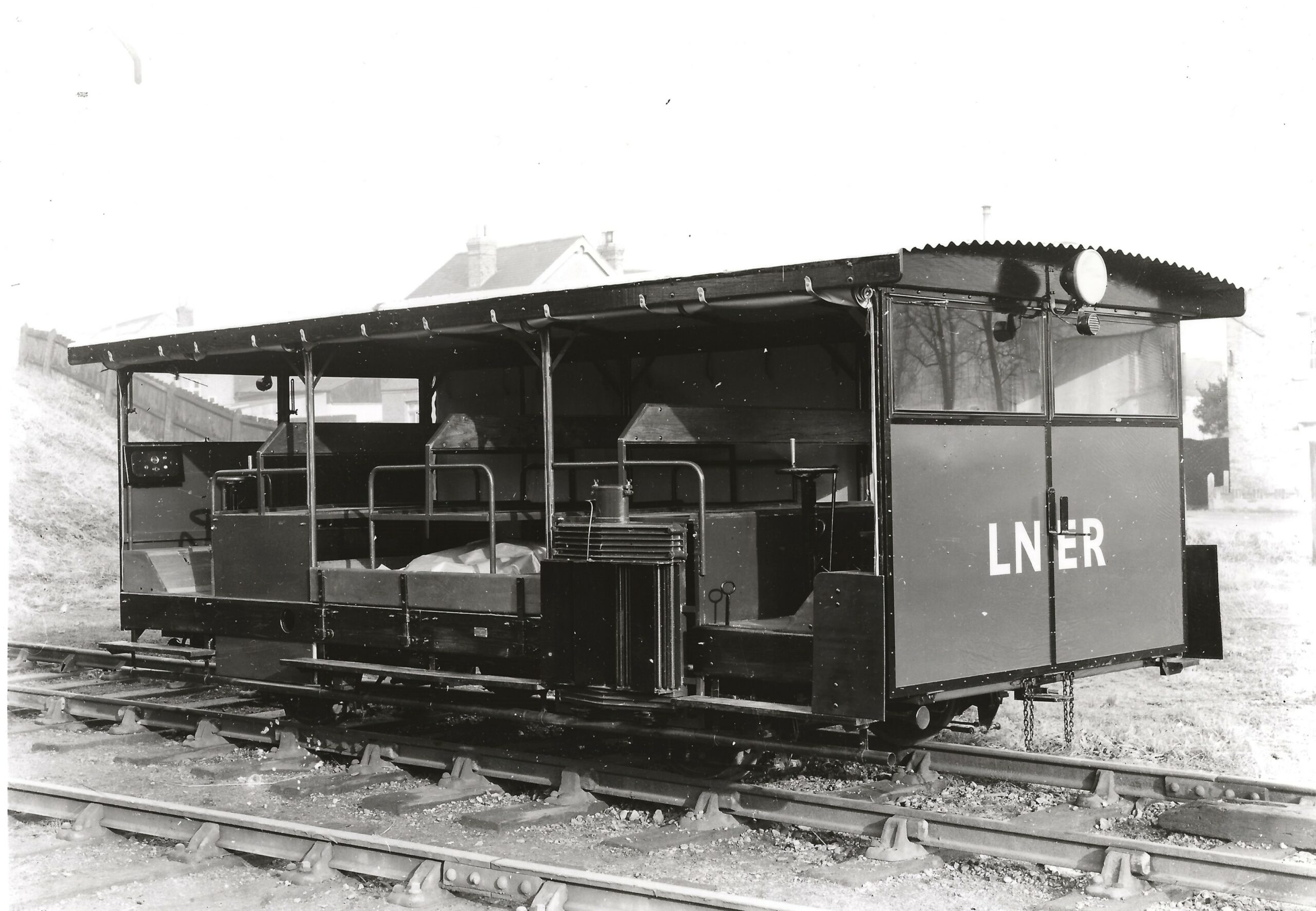
Sir Nigel Gresley placed a substantial order for Type 17 Wickham Rail Trolleys in 1934.
In the early 1930s, under the leadership of Sir Nigel Gresley, Chief Mechanical Engineer of the London and North Eastern Railway (LNER), the company sought practical innovations to improve the efficiency of track inspection and maintenance. One such advancement was the adoption of Wickham Rail Trolleys, lightweight petrol-driven vehicles built by D. Wickham & Co of Ware, Hertfordshire.

The LNER placed a substantial order for Type 17 Wickham trolleys, which were powered by 1,100–1,323 cc J.A. Prestwich & Co (JAP) V-twin petrol engines. These vehicles, first delivered to locations such as Whittlesea in 1934, were primarily used as personnel carriers for permanent-way (track maintenance) gangs, enabling engineers and materials to be transported quickly to work sites across the network.
The trolley’s design was both practical and adaptable, offering open or enclosed seating, and in later years, the ability to tow small trailers or carry tools. Gresley’s decision to standardise the use of these trolleys reflected his pragmatic approach: as he recognised that smaller, efficient solutions were essential for everyday operational needs, particularly in light of financial constraints facing the LNER.
The introduction of Wickham trolleys not only improved the speed and effectiveness of track maintenance but also set a precedent that ensured their deployment across British Railways after nationalisation in 1948.
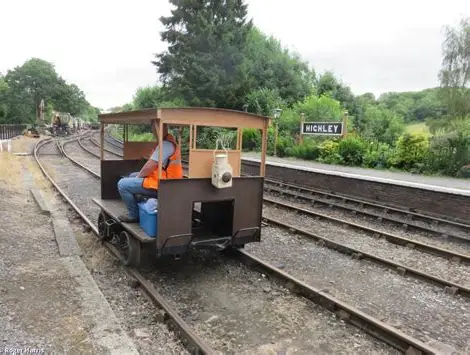
One notable example, LNER No. 748, built in 1934, is preserved at the Severn Valley Railway.
To find out more about the Wickham Trolleys, visit wikipedia.