Hill class N7
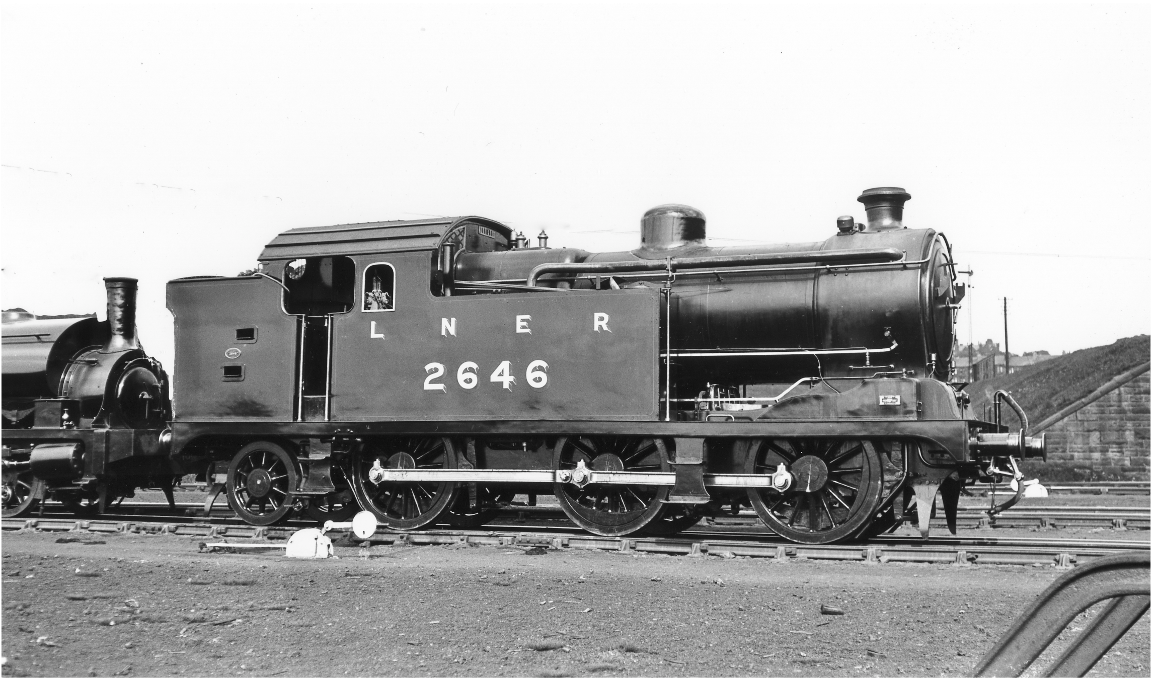
The Great Eastern Railway class L77 (LNER class N7) is a class of 0-6-2T steam locomotives designed by Alfred John Hill for London suburban services and introduced in 1915.
The LNER class N7, originally the GER Class L77, is a 0-6-2T steam locomotive designed by Alfred John Hill for London suburban services, with 134 built between 1915 and 1928.
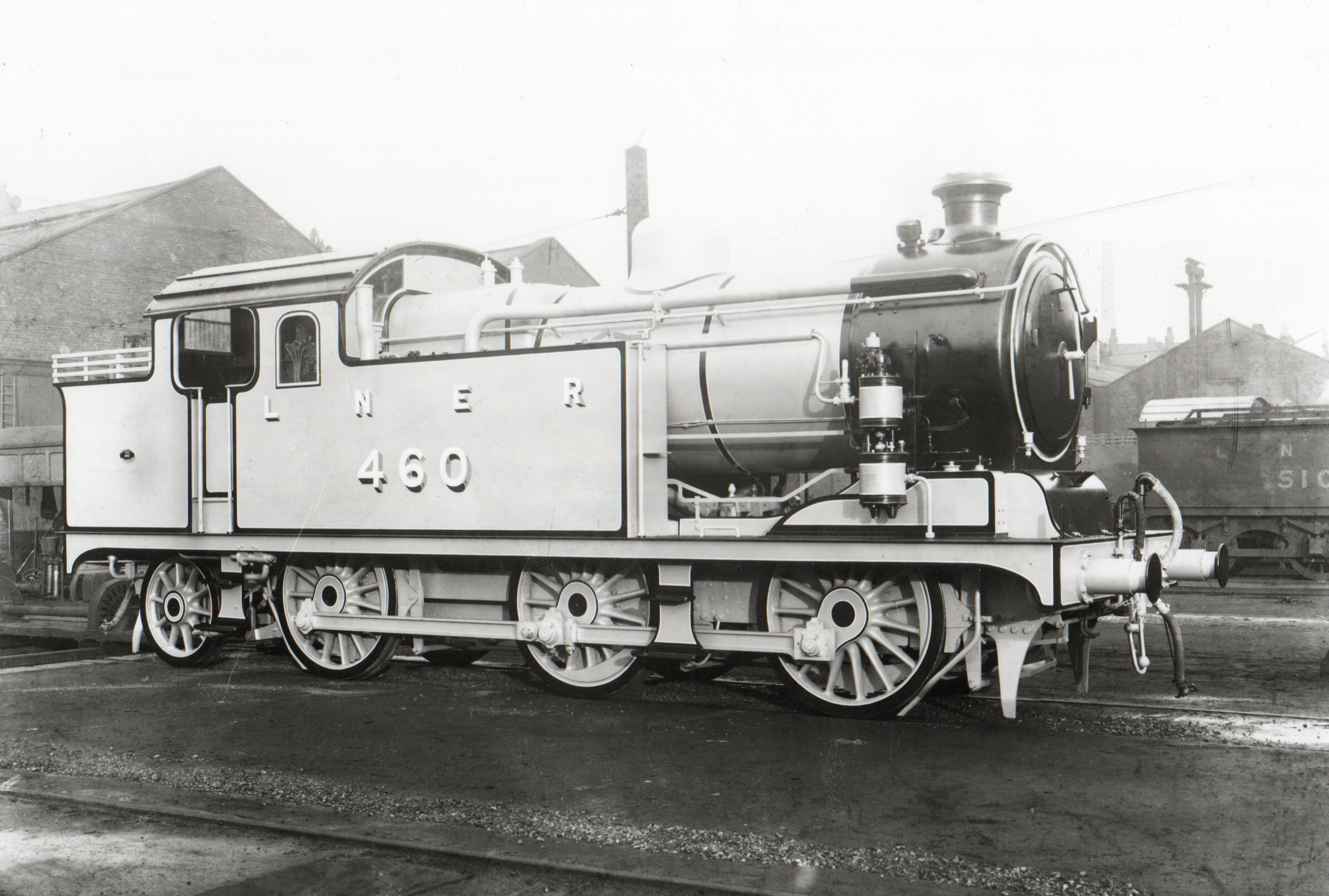
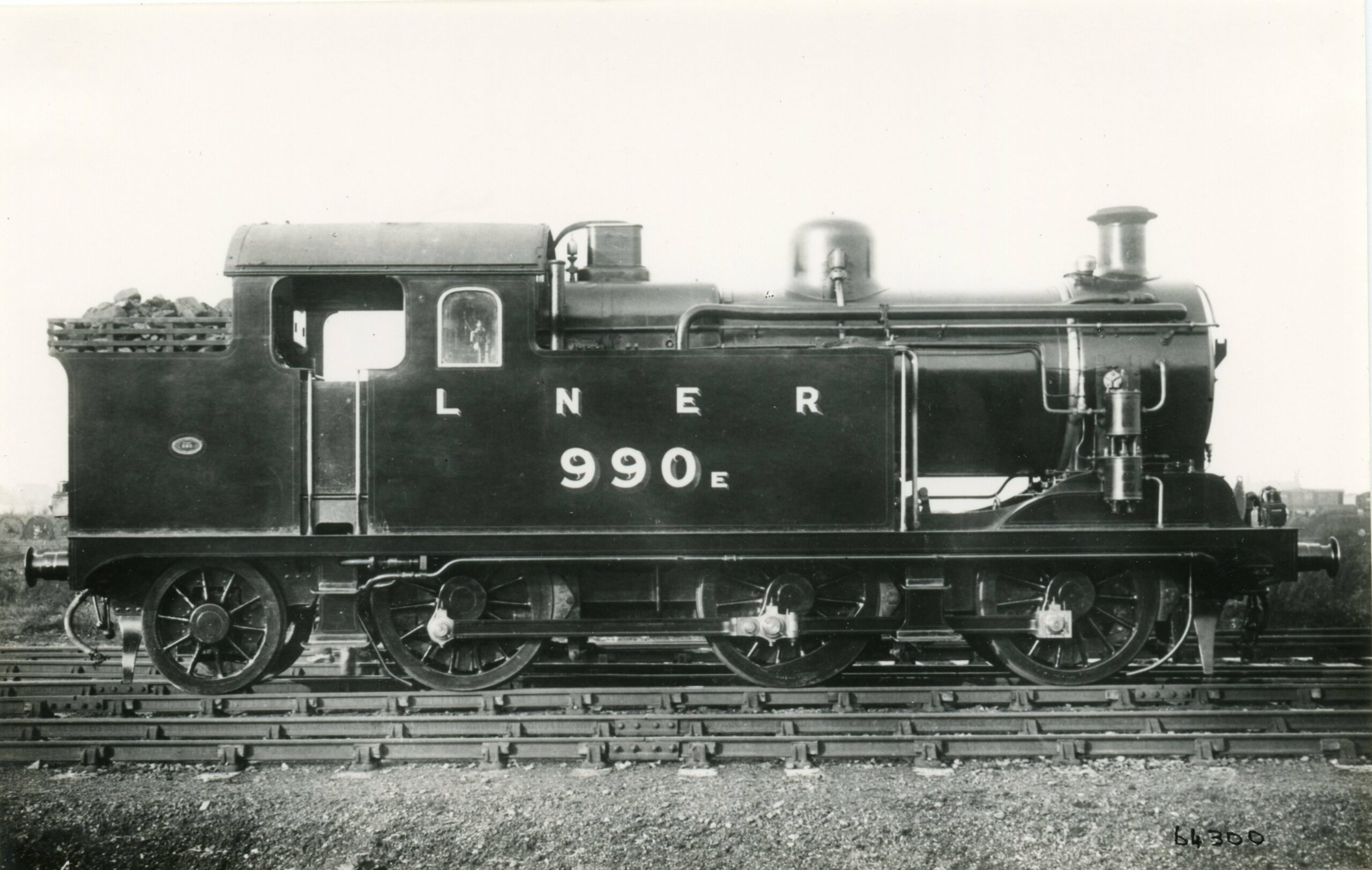
The class N7 was designed by Alfred John Hill of the Great Eastern Railway (GER) in 1915 to handle increasingly heavy suburban passenger services around London. Hill’s design featured inside cylinders with Walschaerts valve gear, a Belpaire firebox, and initially a mix of saturated and superheated boilers.
The locomotives had small driving wheels (4 ft 10 in / 1.473 m), enabling rapid acceleration between closely spaced stations. After the 1923 grouping, Gresley of the LNER continued production, adapting the design as a Group Standard to complement his class N2 0-6-2T locomotives.
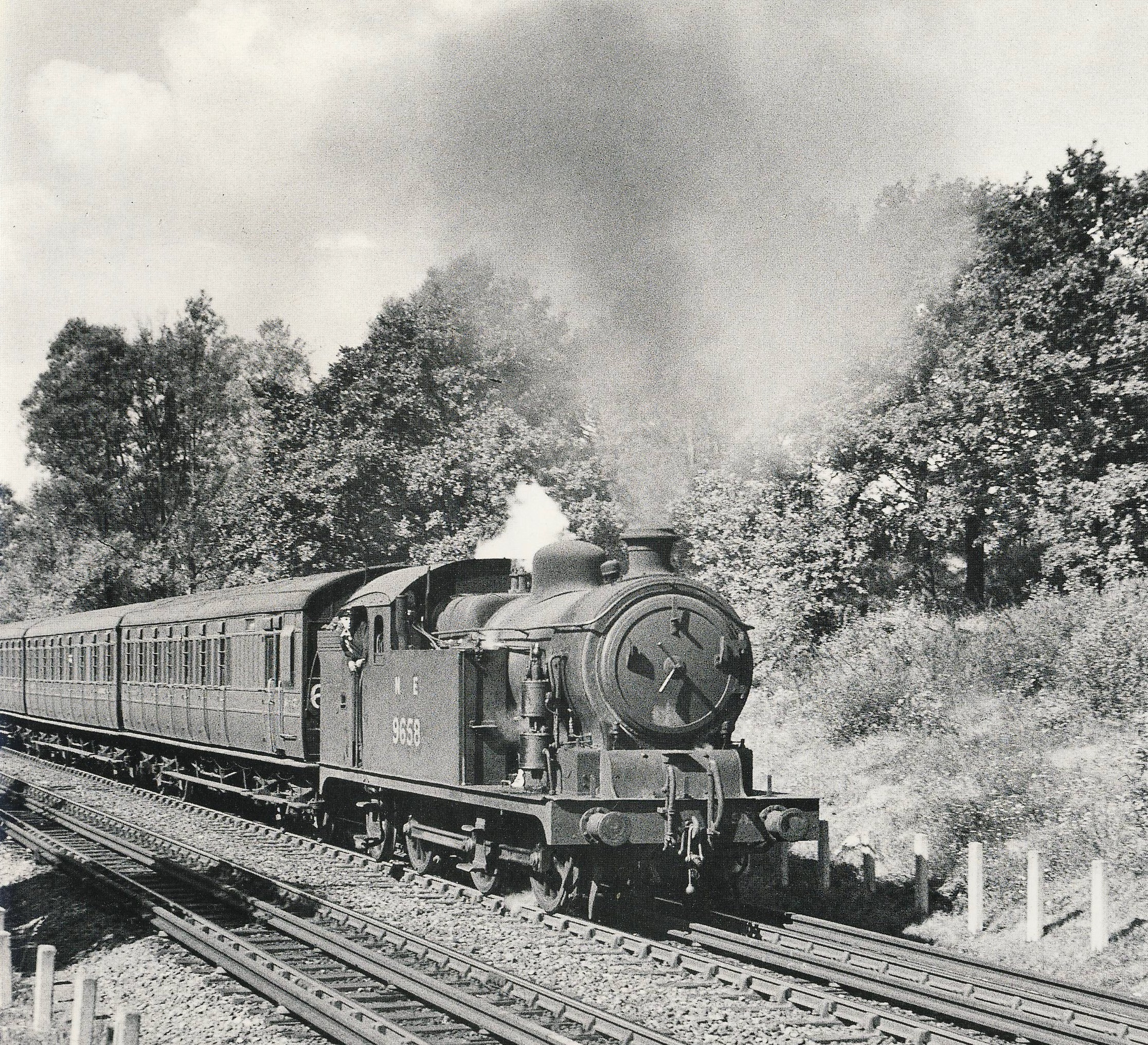
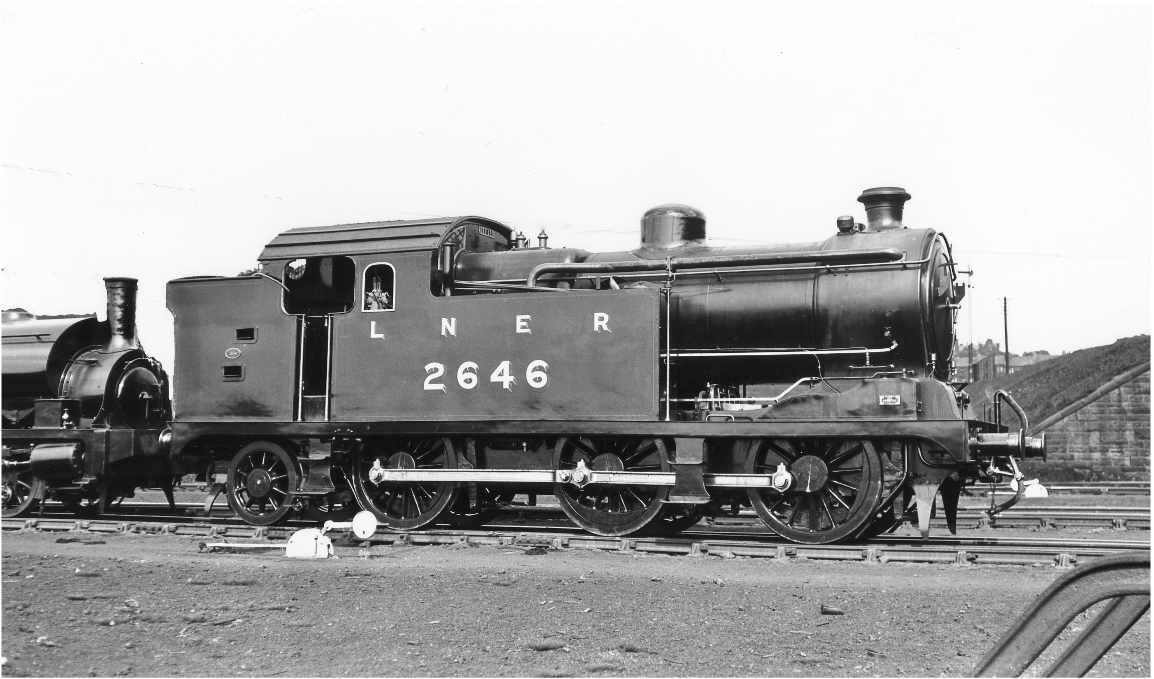
A total of 134 class N7s were produced: Stratford Works: first 22 locomotives, Gorton Works (40), Robert Stephenson & Co. (20), William Beardmore & Co. (20), and Doncaster Works (32).
The locomotives were built between 1915 and 1928. Over time, various subclasses were created to reflect design modifications, including boiler type, valve gear, and firebox shape
N7/GE – Original GER L77 batch with short-travel valve gear, Belpaire firebox.
N7/1 – Early LNER batch with left-hand drive and Metropolitan loading gauge.
N7/2 – Introduced long-travel valve gear.
N7/3 – Round-topped firebox; last LNER-built batch.
N7/4 & N7/5 – Rebuilds of earlier classes with round-topped fireboxes.
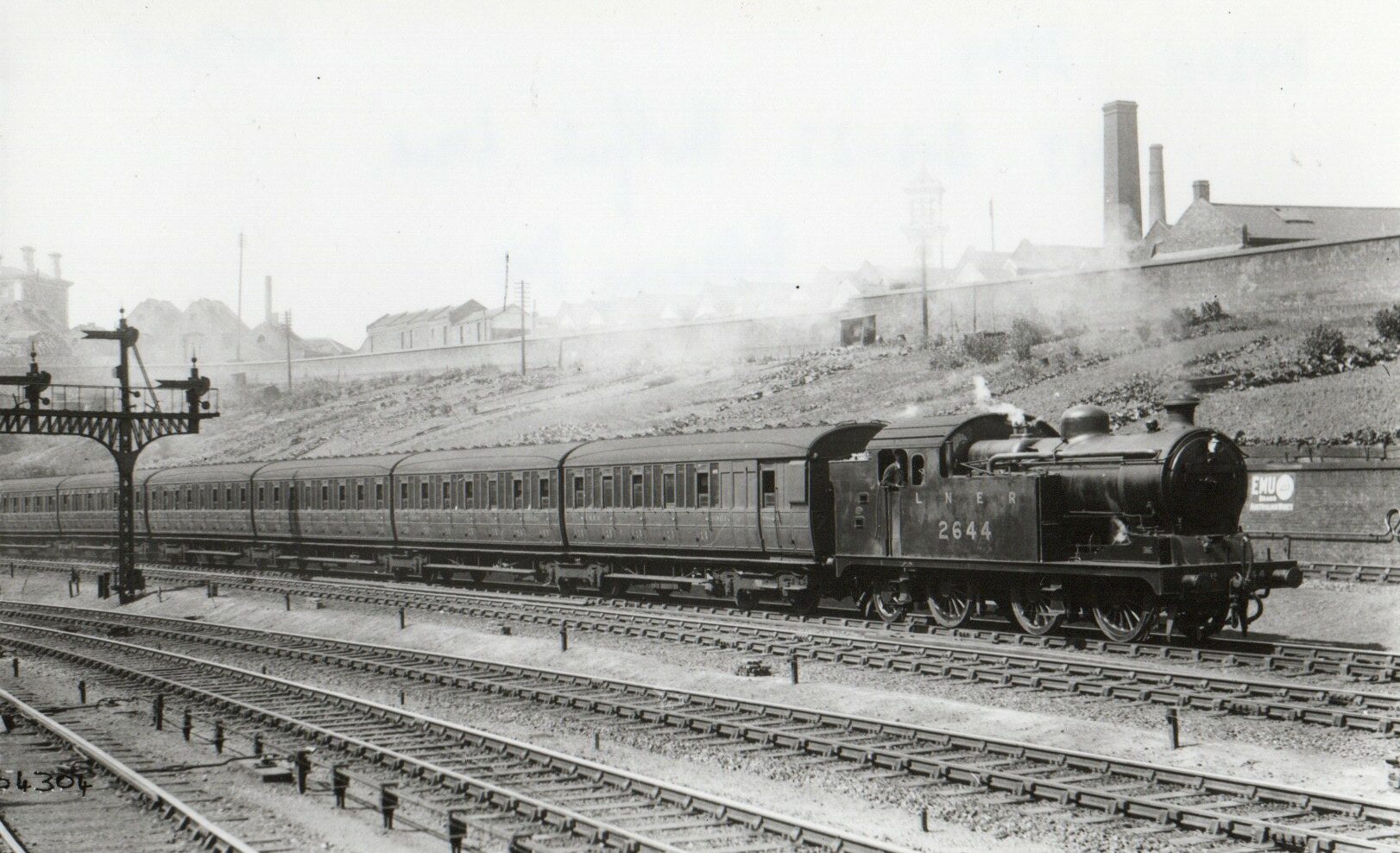
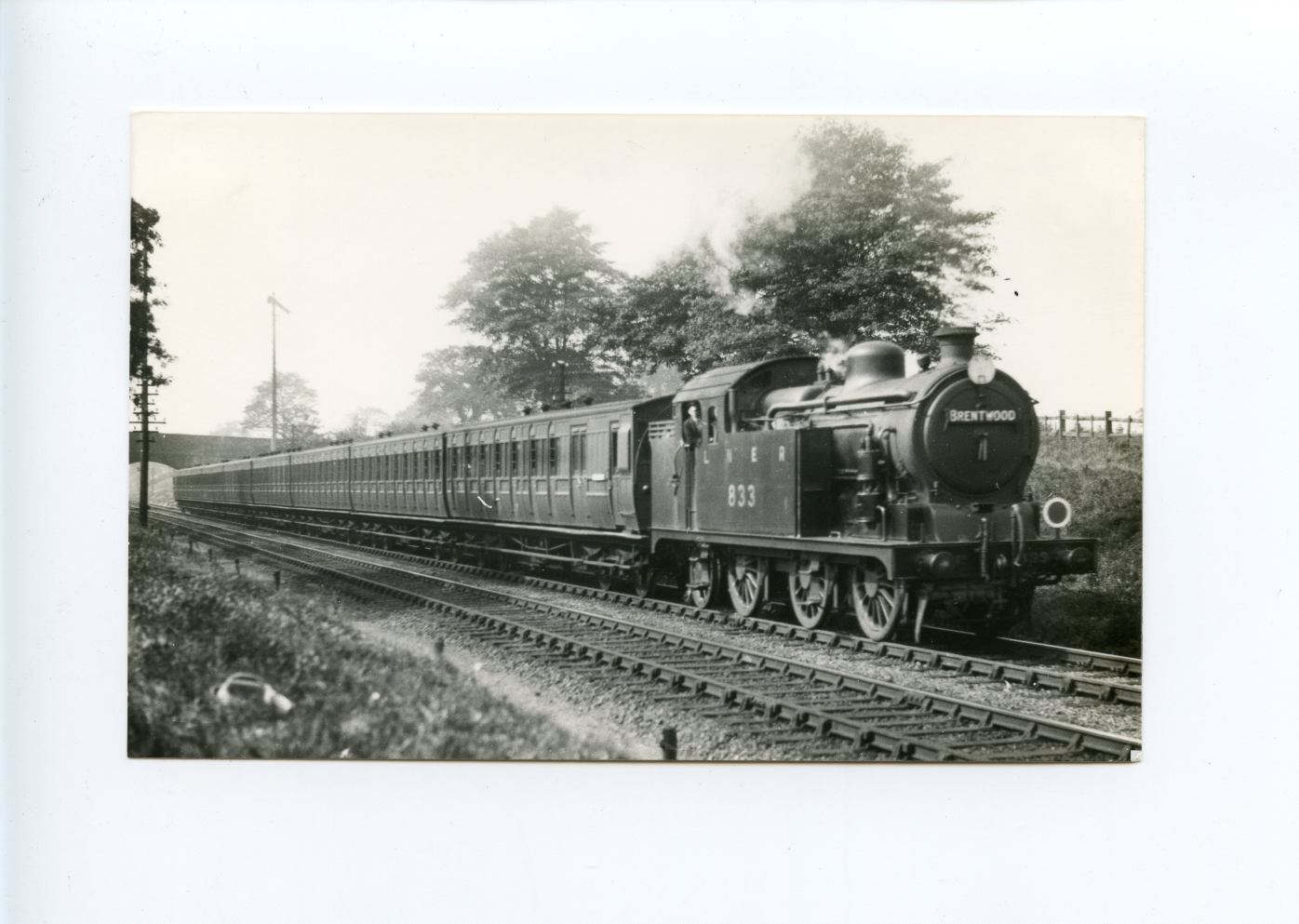
The class N7’s features included superheaters, piston valves, and for London operation, Westinghouse air brakes. Some were fitted with condensing apparatus for working underground lines, which was later removed by 1938.
The class N7s were used mainly on London suburban services, including Enfield, Chingford, and Stratford lines, as well as later evening excursions and boat trains from Liverpool Street to Royal Albert Dock.
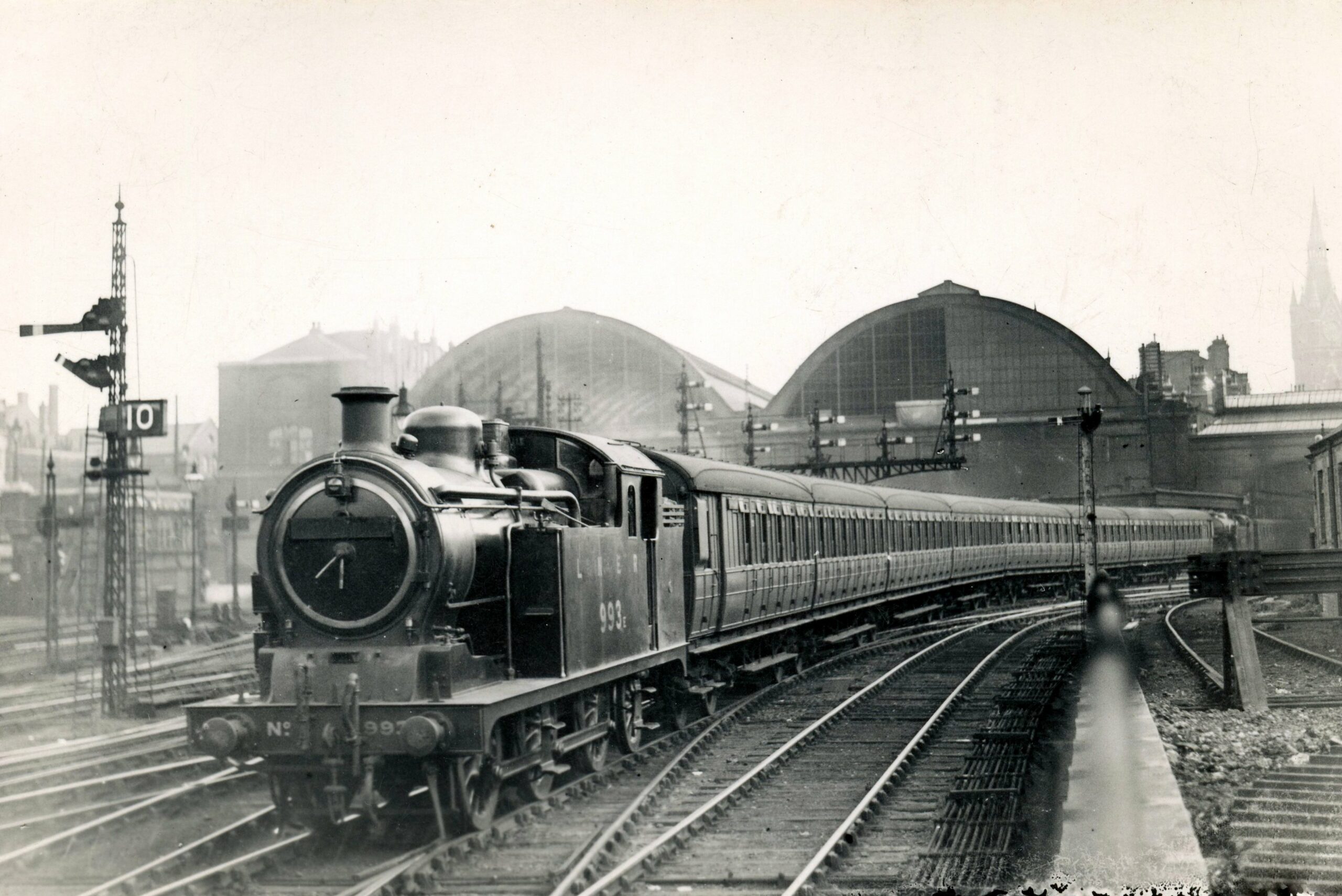
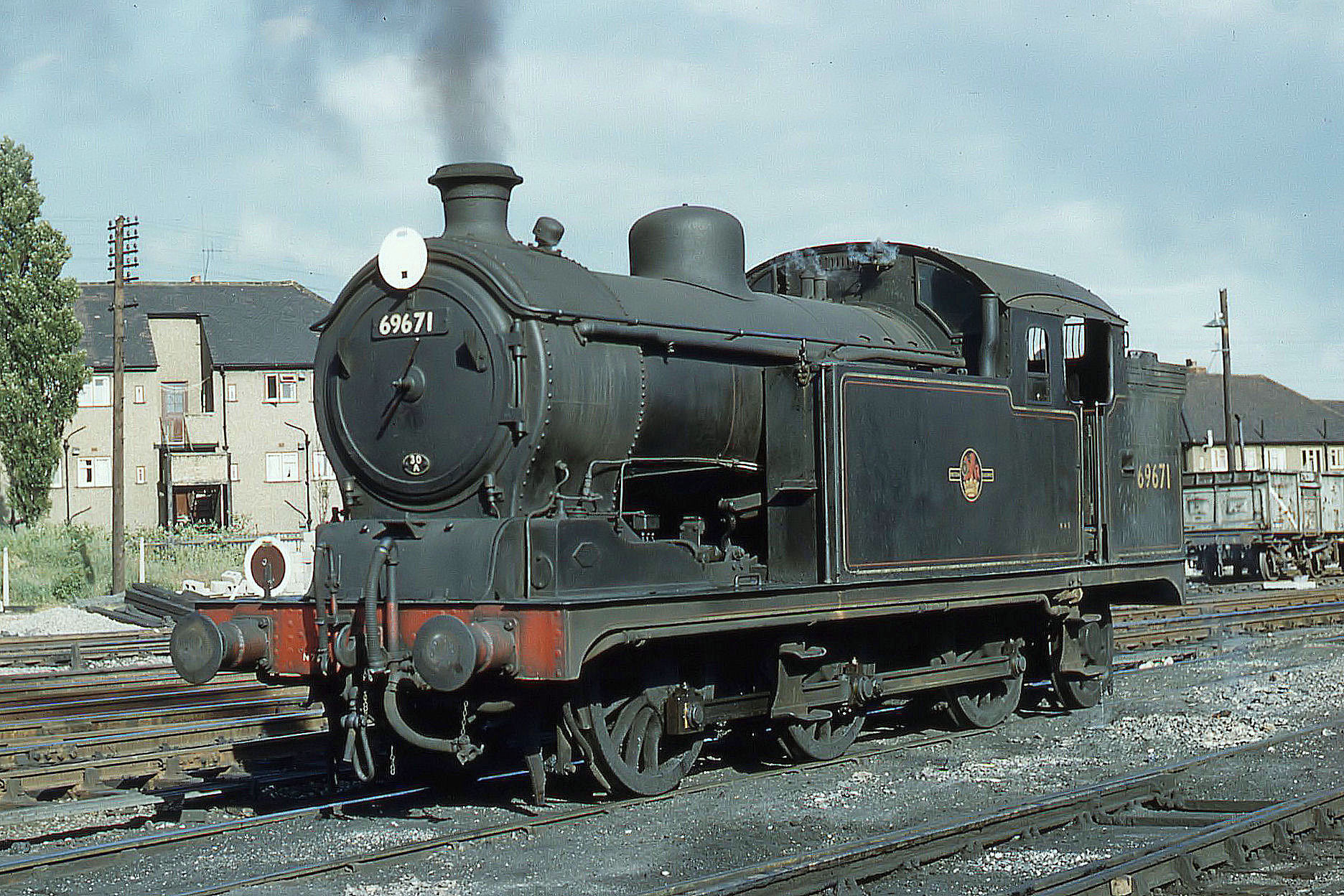
The class N7s were valued for rapid acceleration, essential for stops at closely spaced stations. Post-World War II, and with suburban line electrification, many class N7s were relocated to East Anglia and other regional lines, including some in Leeds and Bradford as temporary substitutes for DMUs. Withdrawals began in 1957 with the last locomotives retired by 1962.
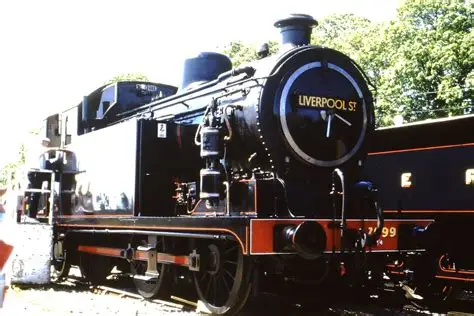
Class N7 LNER No. 7999 (BR No. 69621) is preserved at the East Anglian Railway Museum, Chappel & Wakes Colne. It was built in 1924 as the last Stratford Works locomotive and named A.J. Hill in 1989 in honour of its designer. The locomotive has been overhauled and is displayed on static exhibit.