Holden classes D14, D15 and D16
The Great Eastern Railway Classes S46, D56 and H88 (LNER classes D14, D15, and D16) were three classes of similar 4-4-0 steam locomotive designed by James Holden (S46 and D56) and A. J. Hill (H88) and introduced in 1900.
The GER Classes S46, D56 and H88 (classified classes D14, D15, and D16 by the LNER) were three classes of similar 4-4-0 steam locomotive designed by James Holden (S46 and D56) and A. J. Hill (H88) for the Great Eastern Railway.
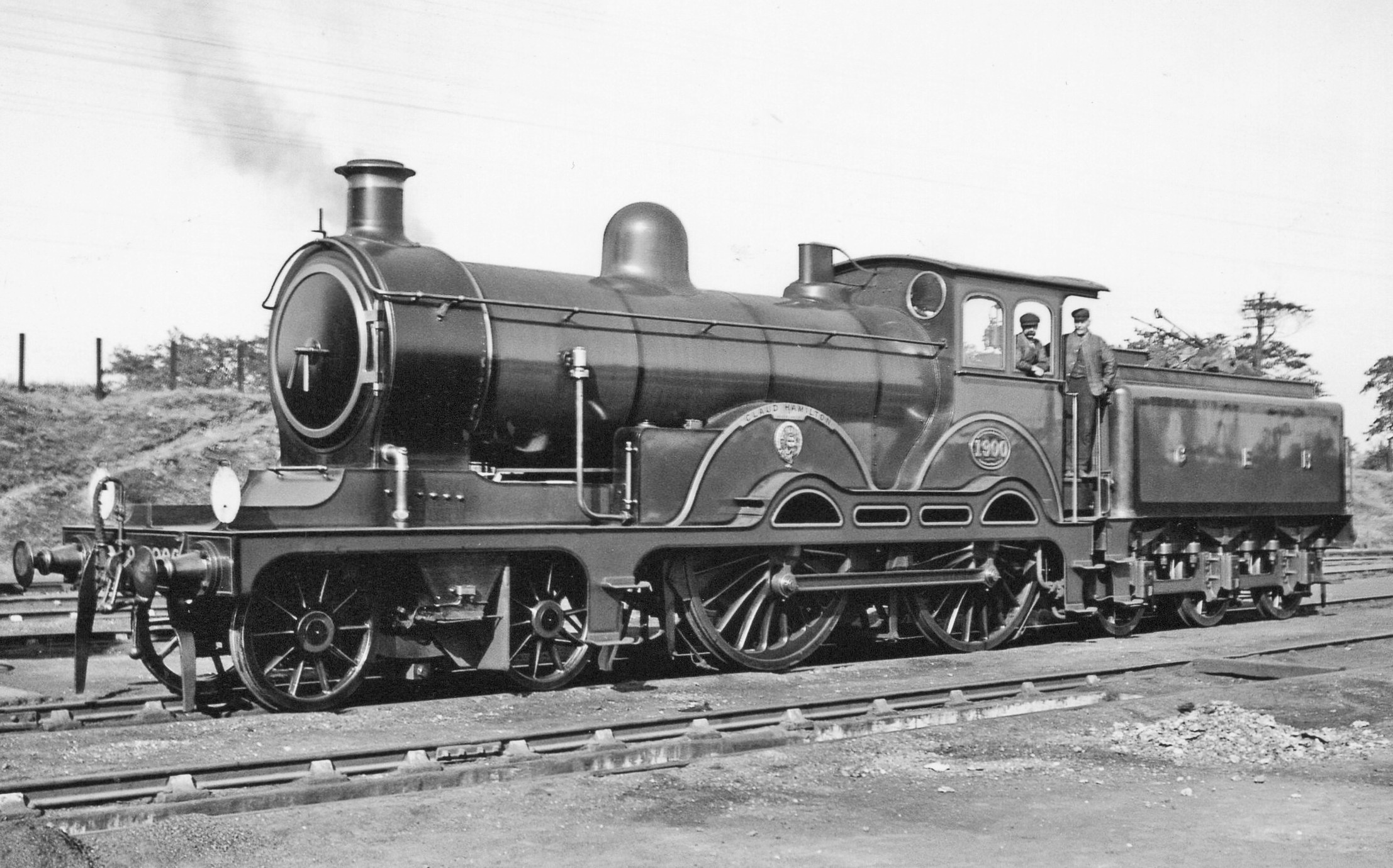
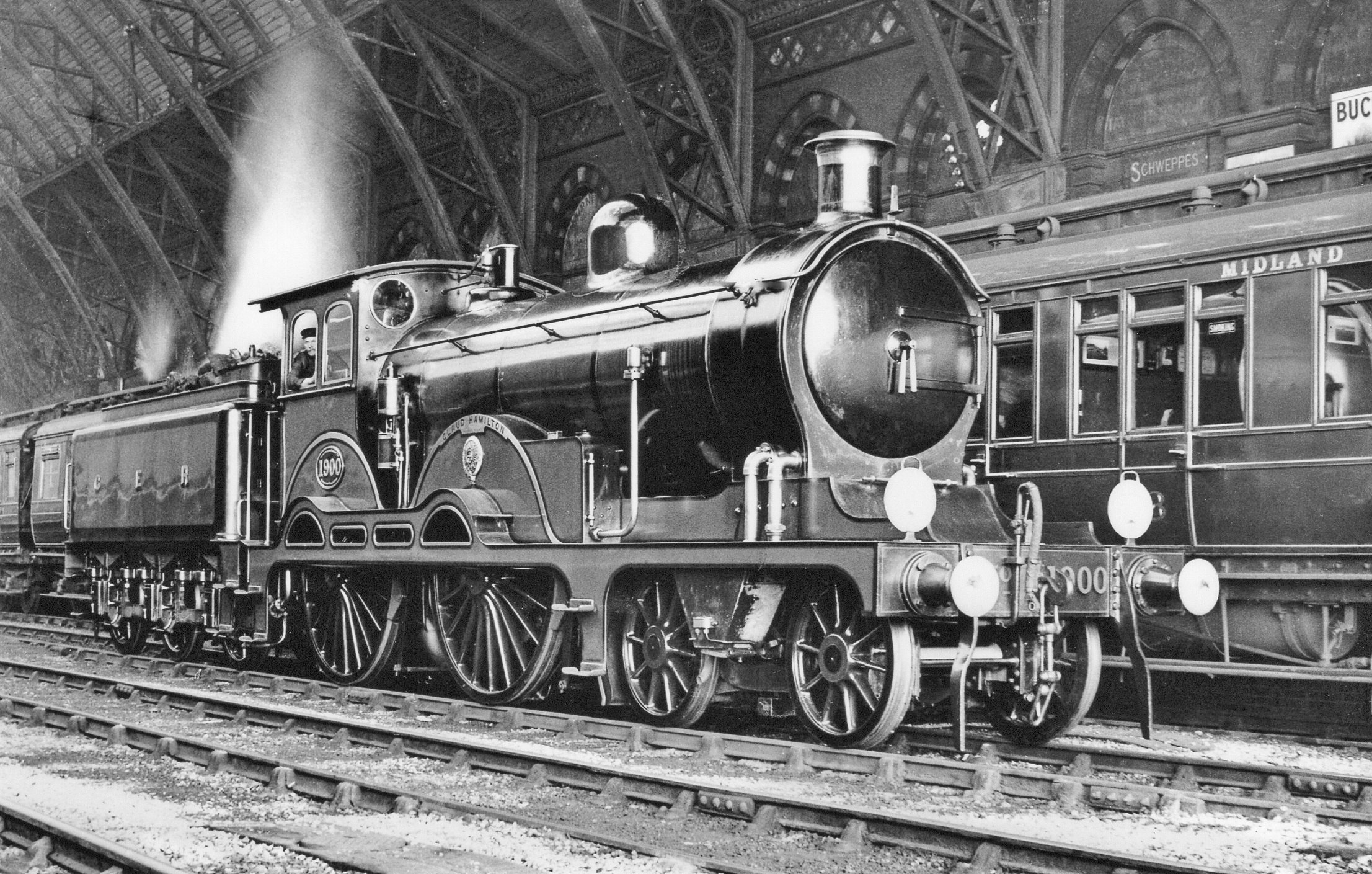
They were given the nickname ‘Claud Hamilton’ after the pioneer engine of the class, named after Lord Claud Hamilton (1843–1925) the chairman of the Great Eastern Railway. The class D56 class of 1903-4 evolved the design to include a square-topped Belpaire firebox. The class H88 class of 1923 featured a larger superheated boiler, leading them to be known as ‘Super Clauds’. Many earlier members of the class were rebuilt during their working life. Class pioneer No. 1900 Claud Hamilton featuring red lining and connecting rods, copper chimney cap and GER coat of arms was much admired when it was exhibited at the 1900 Paris Exposition.
As built, the class S46s were all fired by oil, using Holden’s patented oil-burning apparatus. The first ten of the class D56 were also built as oil-burners, but all the class S46s and class D56s had been switched to coal-burning by the end of 1911. When oil prices were low or coal was in short supply due to strike action some examples were re-fitted to burn oil for short periods but this was not done past 1927.
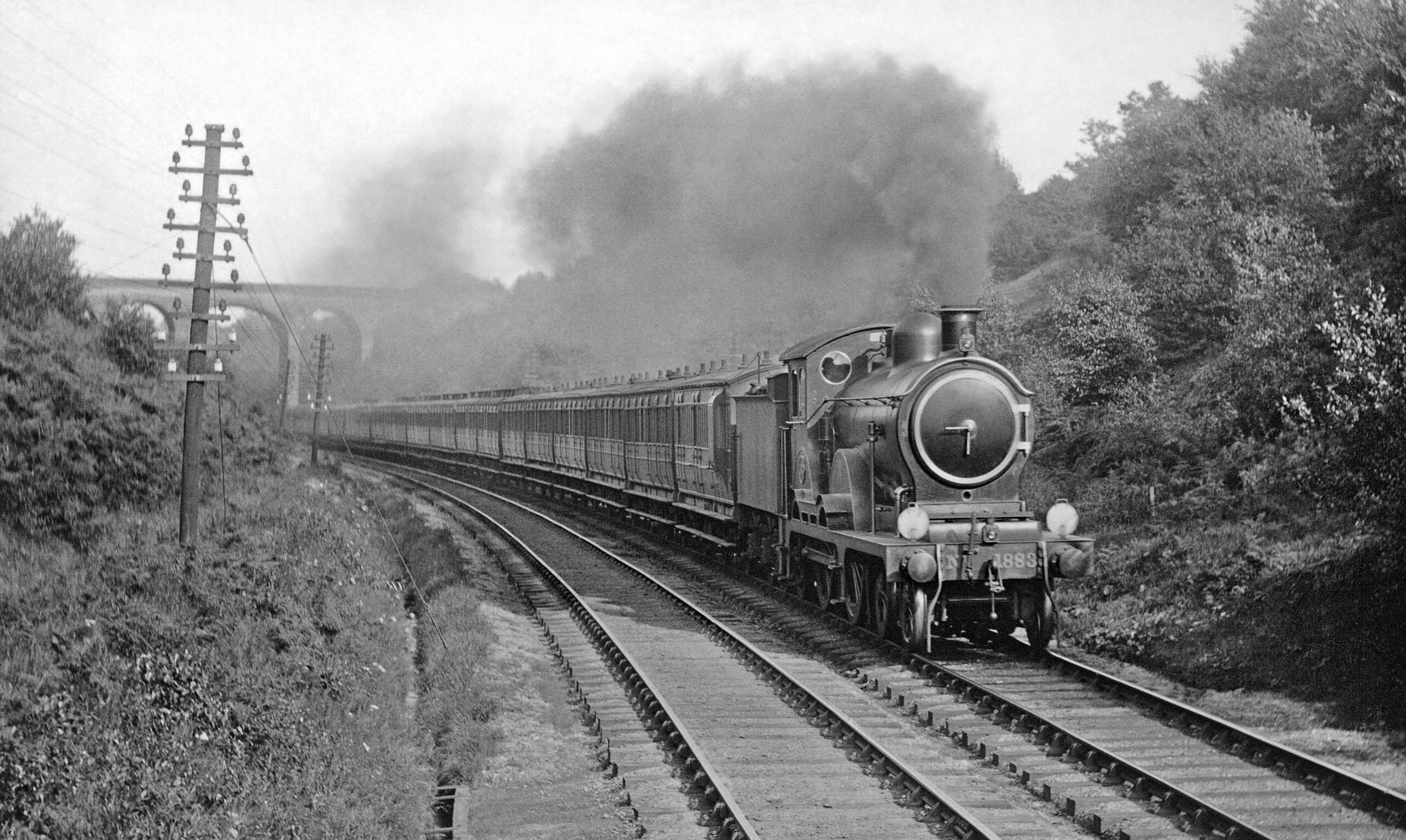
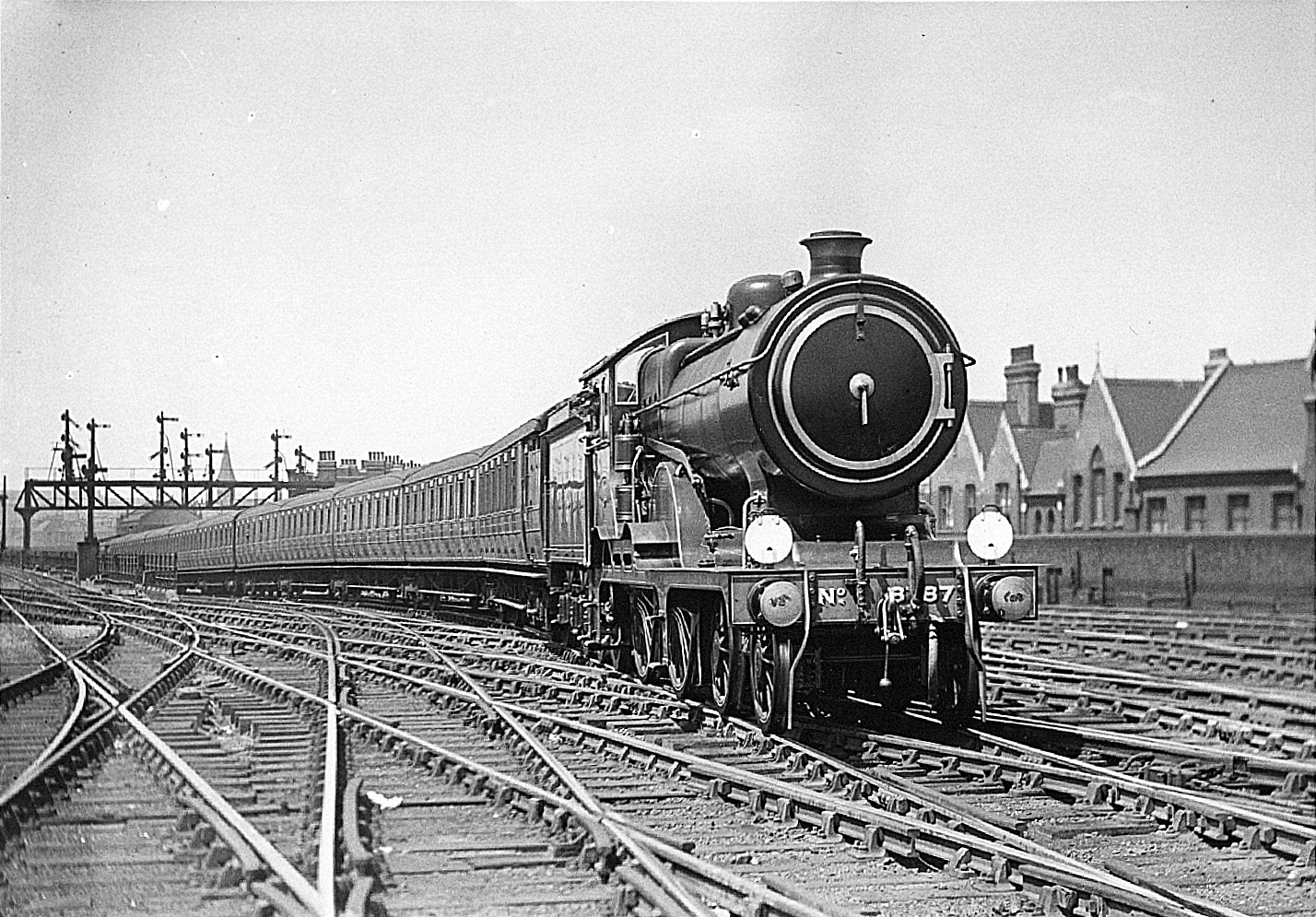
The class S46 design was substantially modified in later incarnations, particularly with the introduction of a larger superheated boiler on the class H88 designed by Alfred John Hill. Most earlier members of the class were substantially modified by Hill or during the tenure of Sir Nigel Gresley as CME of the LNER from 1923.
Rebuilds of the original (class D14) ‘Clauds’ with Belpaire fireboxes, started in 1915. Many of these rebuilds were also fitted with Robinson superheaters.
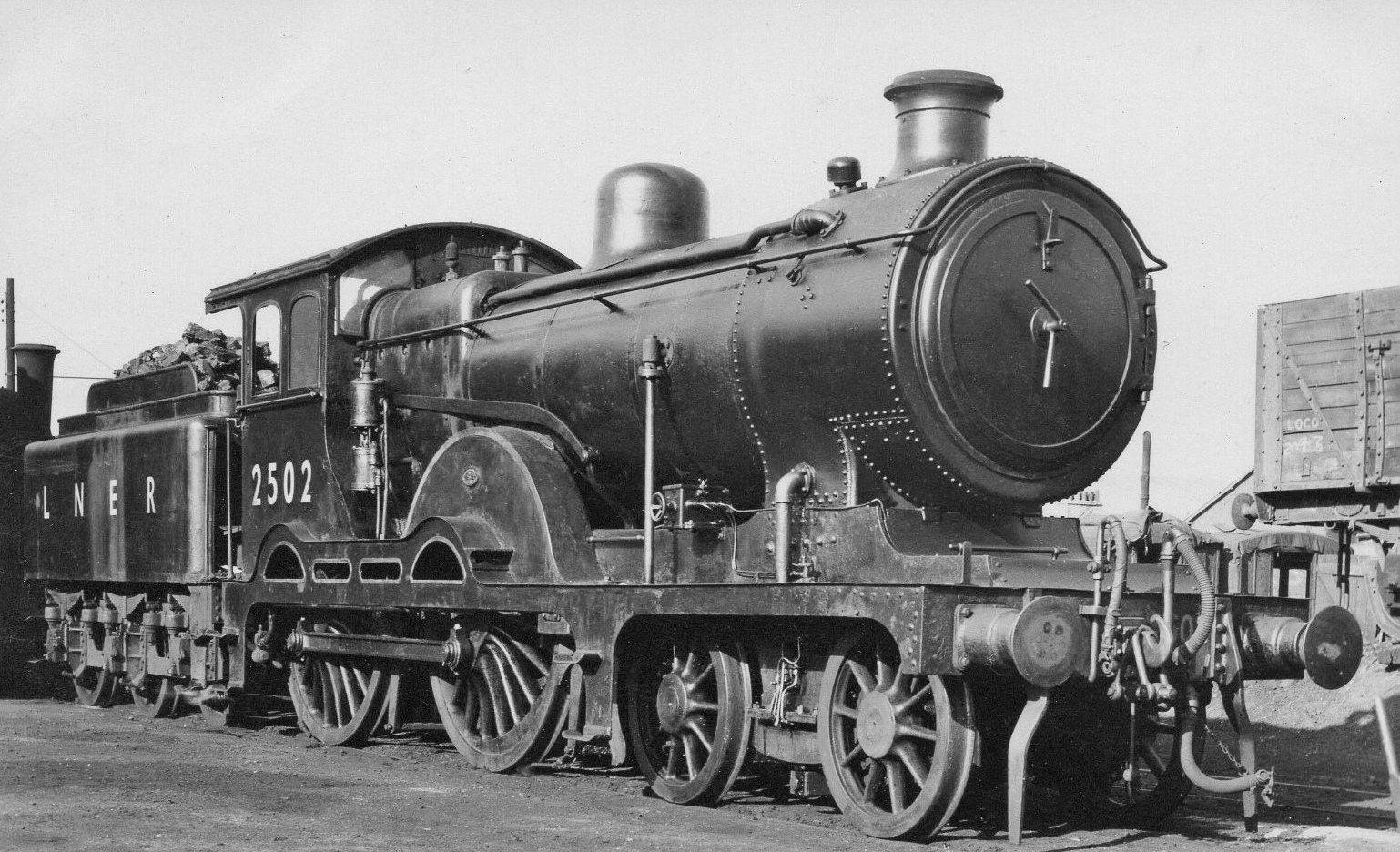
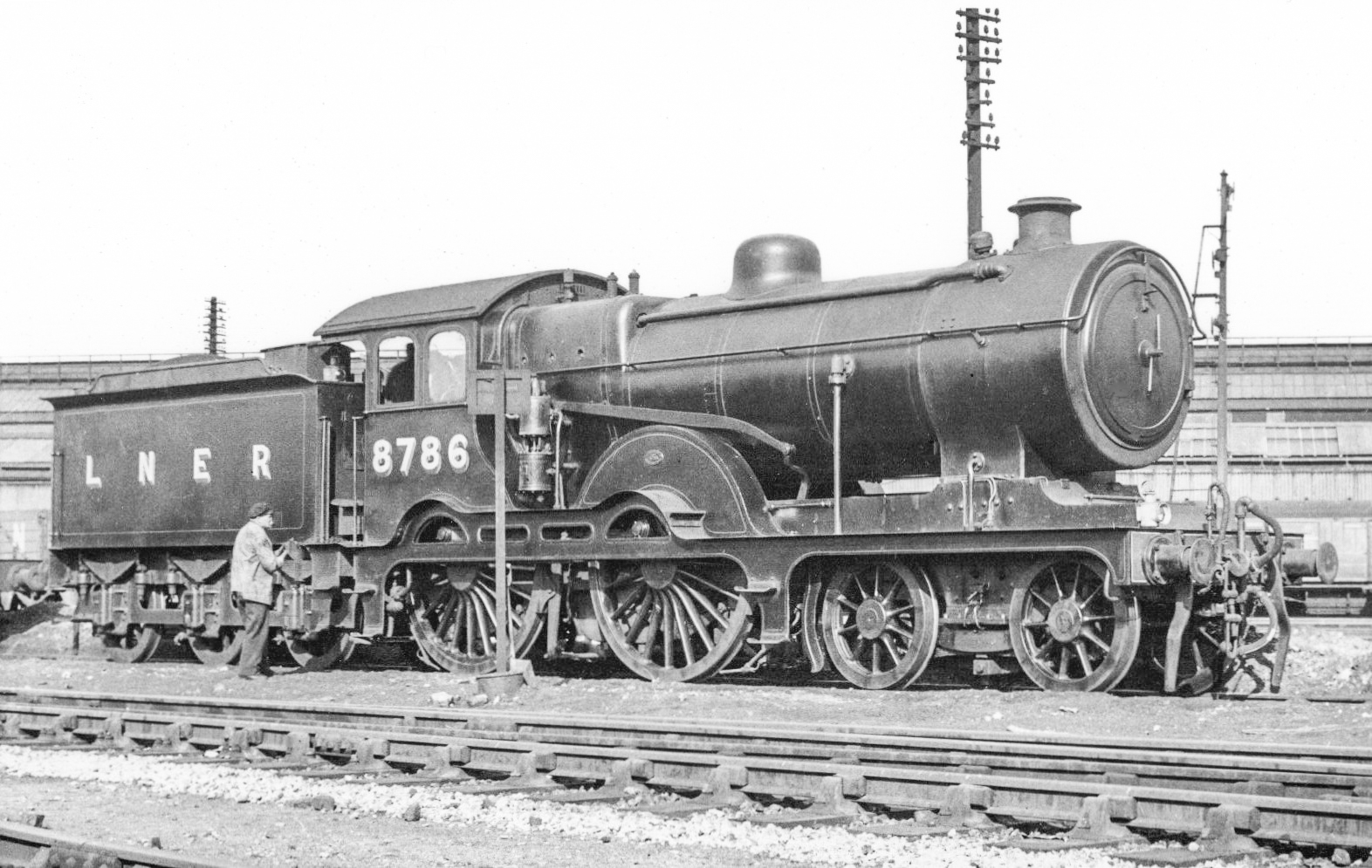
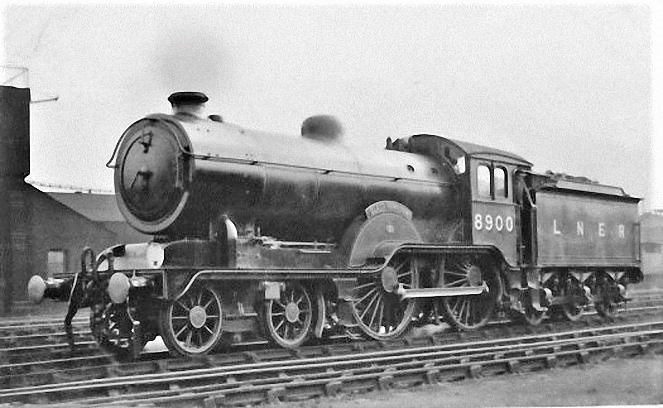
Hill designed a third variation in 1922. This new locomotive had a larger 5ft 1 1/8 in diameter boiler, a superheater, and a Belpaire firebox. A rebuild of No. 1805 to this new design, appeared just after Grouping in March 1923. This was followed by ten new locomotives which were built in 1923. Nicknamed the ‘Super Clauds’, the LNER gave them the classification of class D16.
The LNER continued to rebuild the original class D14s as Belpaire class D15s, and the process was completed in 1931. Most of these rebuilds received superheaters. Superheated class D15s had extended smokeboxes fitted from 1926. Class D15s with short smokeboxes were classed as D15/1, whilst D15/2 was used for the superheated locomotives with extended smokeboxes. The last class D15 was superheated in 1933, and all had extended smokeboxes by 1935.
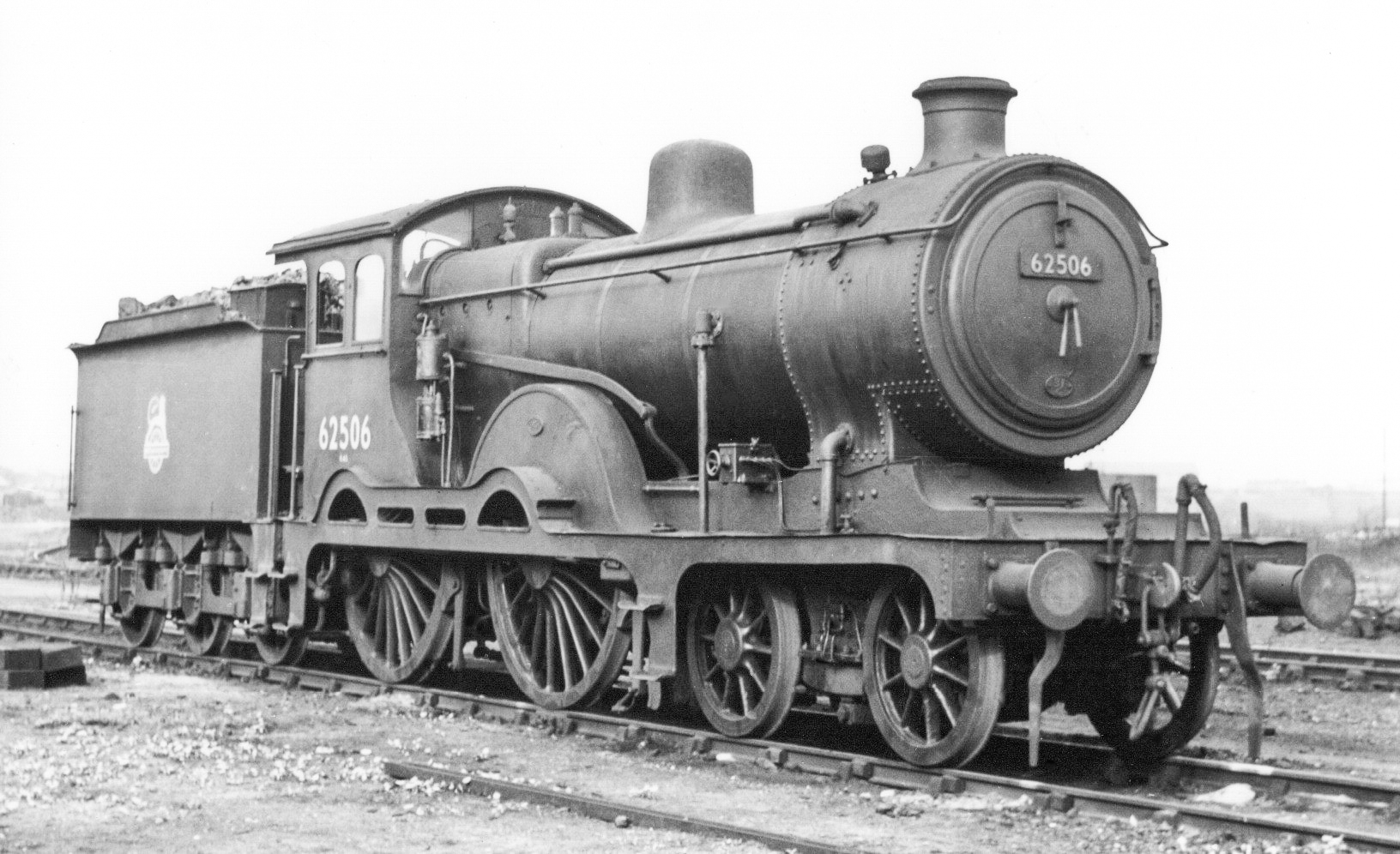
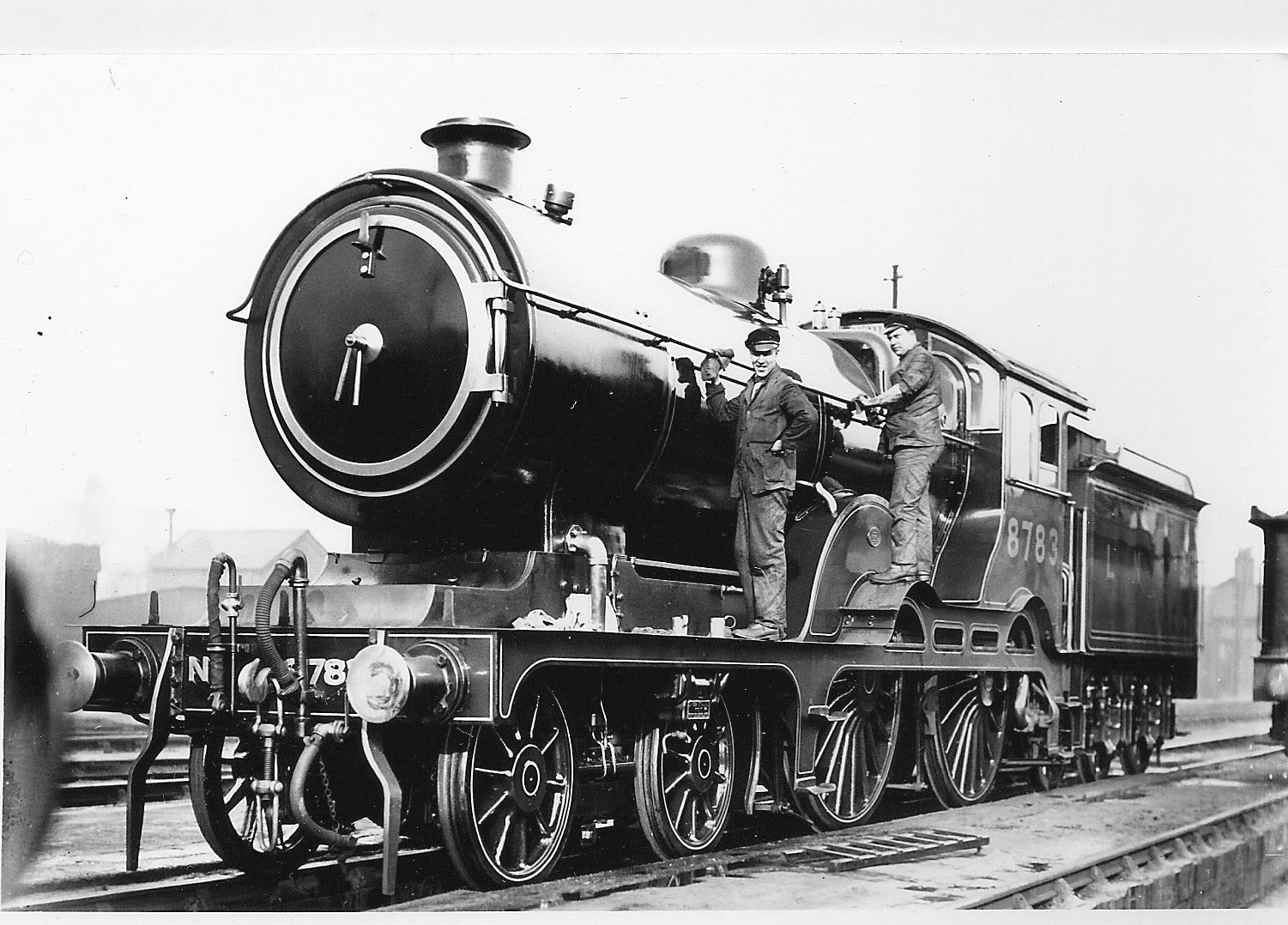
The LNER also rebuilt a further 29 Belpaire class D15s as ‘Super-Claud’ class D16s. These rebuilds stopped in 1931 with a total of forty class D16s. Some of these early rebuilds initially kept their short smokeboxes, but they all had extended smokeboxes by 1931. As with the class D15s, the extended smokeboxes were recognised with a ‘part 2’ sub-classification.
The last major development came in 1933, when class D15/2 No. 8848 was rebuilt with a 5ft 1.125in diameter boiler fitted with a round topped firebox. This was followed by a number of similar rebuilds from classes D15/1, D15/2, and D16/2. These were known as ‘Gresley rebuilds’, and they were classed as class D16/3. Between 1933 and 1936, the class D16/3 rebuilds that were based on early class D14 engines were classed as class D14/2 due to their shallower frames.
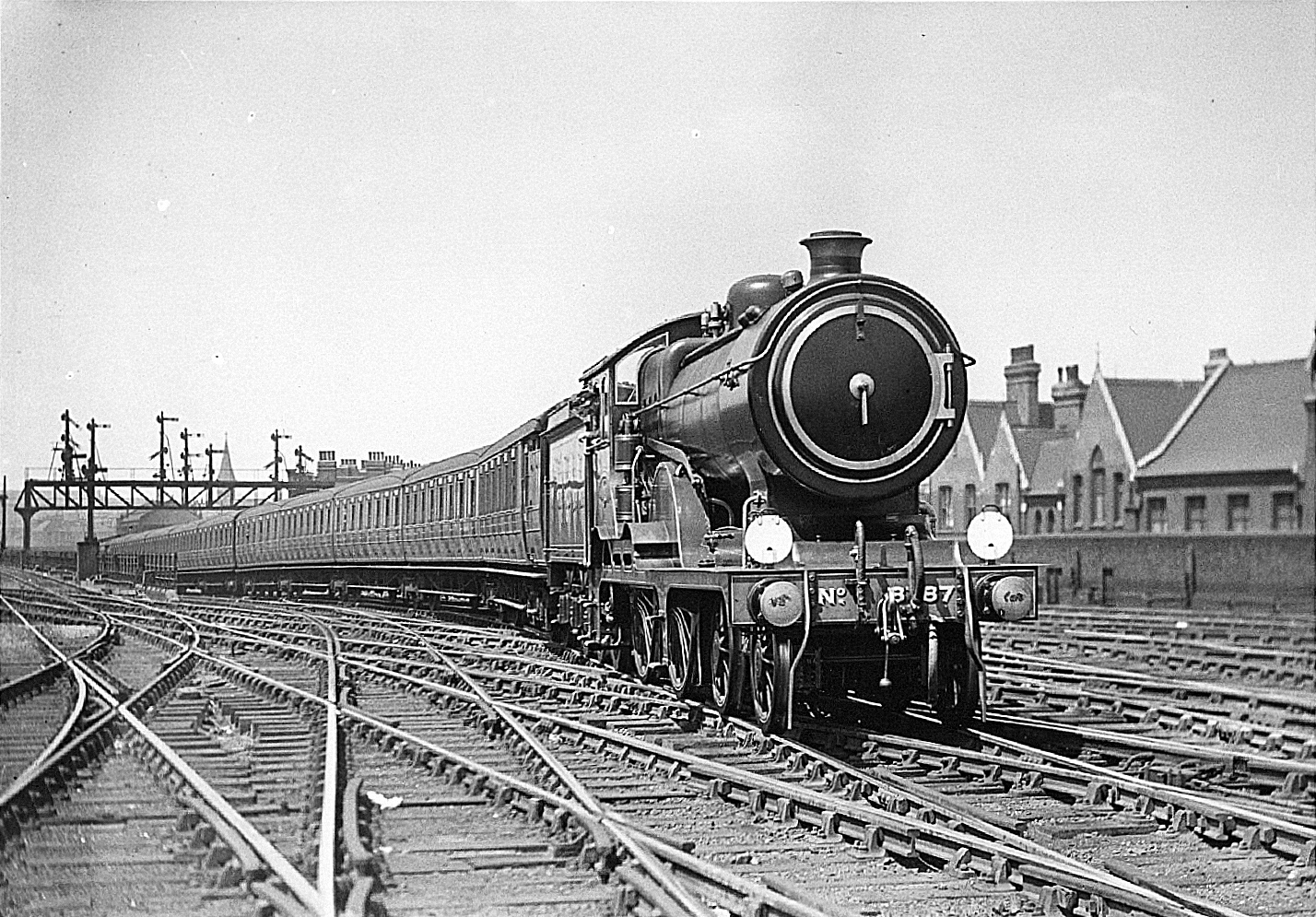
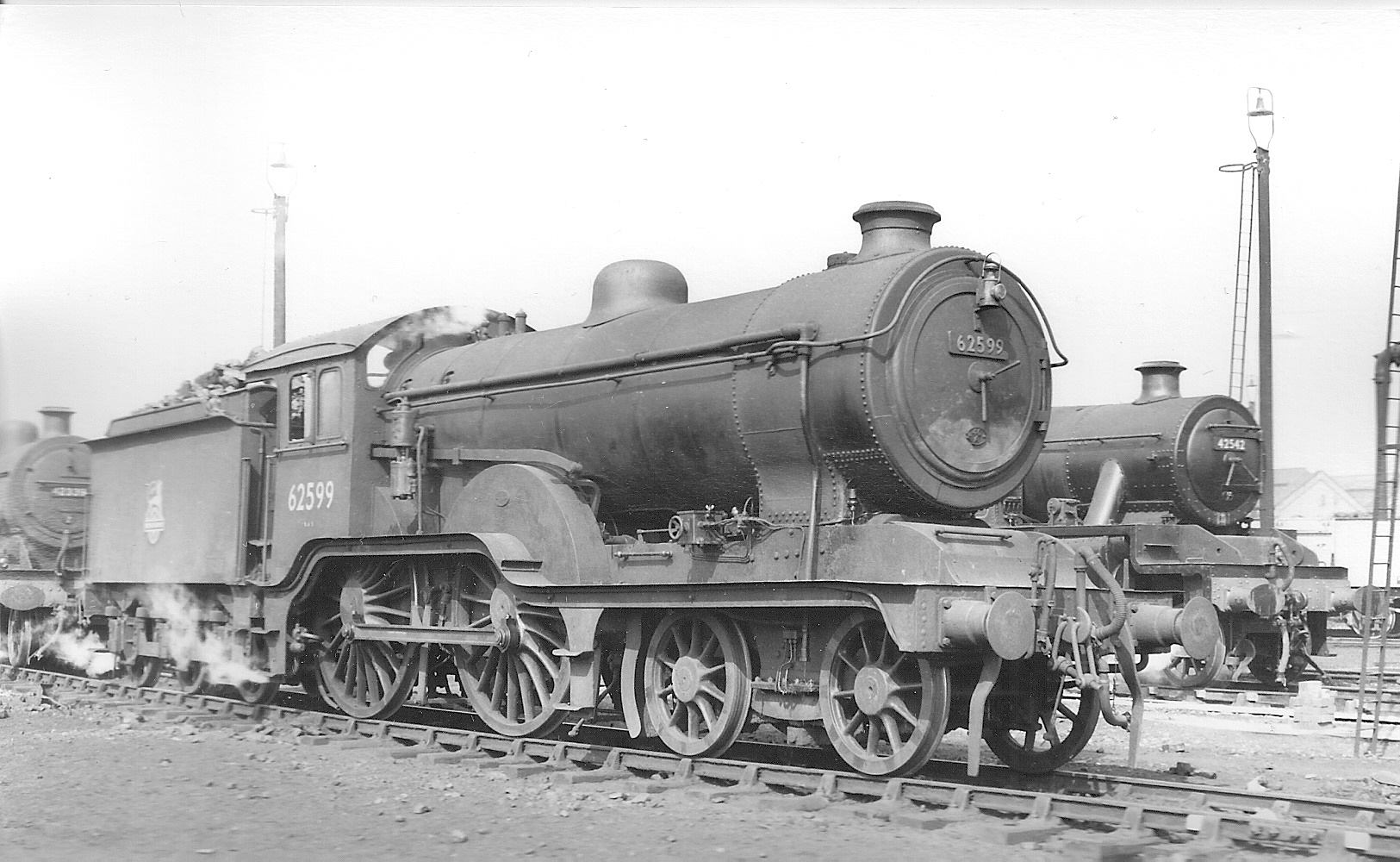
A total of 104 class D16/3s had been rebuilt by 1949 when the rebuilding ceased. Most of these kept their original cylinders and slide valves, but twenty had new cylinders and piston valves fitted. The first ten had 8in diameter piston valves, but the second ten had larger 9.5in diameter valves. The piston valves were very successful at improving locomotive efficiency, and these locomotives quickly proved that they were at least the equal of an original class B12 4-6-0. Unfortunately, the increased power output stressed the frames excessively and fractures were common. No further class D16/3s had piston valves fitted due to a combination of these problems and the advent of World War 2.
The classification of the ‘Claud Hamiltons’ is complex but is summarised here:
GER class S46 (LNER class D14), 4ft 9in diameter boiler, round-top firebox
GER class D56 (LNER class D15), 4ft 9in diameter boiler, Belpaire firebox
LNER class D15/1, class D15 as built with short smokebox, some with superheater
LNER class D15/2, class D15 with superheater and long smokebox
GER class H88 (LNER class D16), “Super Claud” with superheater, larger boiler (5ft 1+1⁄8 in diameter) and Belpaire firebox
LNER class D16/1, class D16 as built (with short smokebox)
LNER class D16/2, as class D16/1 but with extended smokebox
LNER class D16/3, Gresley rebuild of class D15 and class D16 with round-top firebox, some with piston valves.
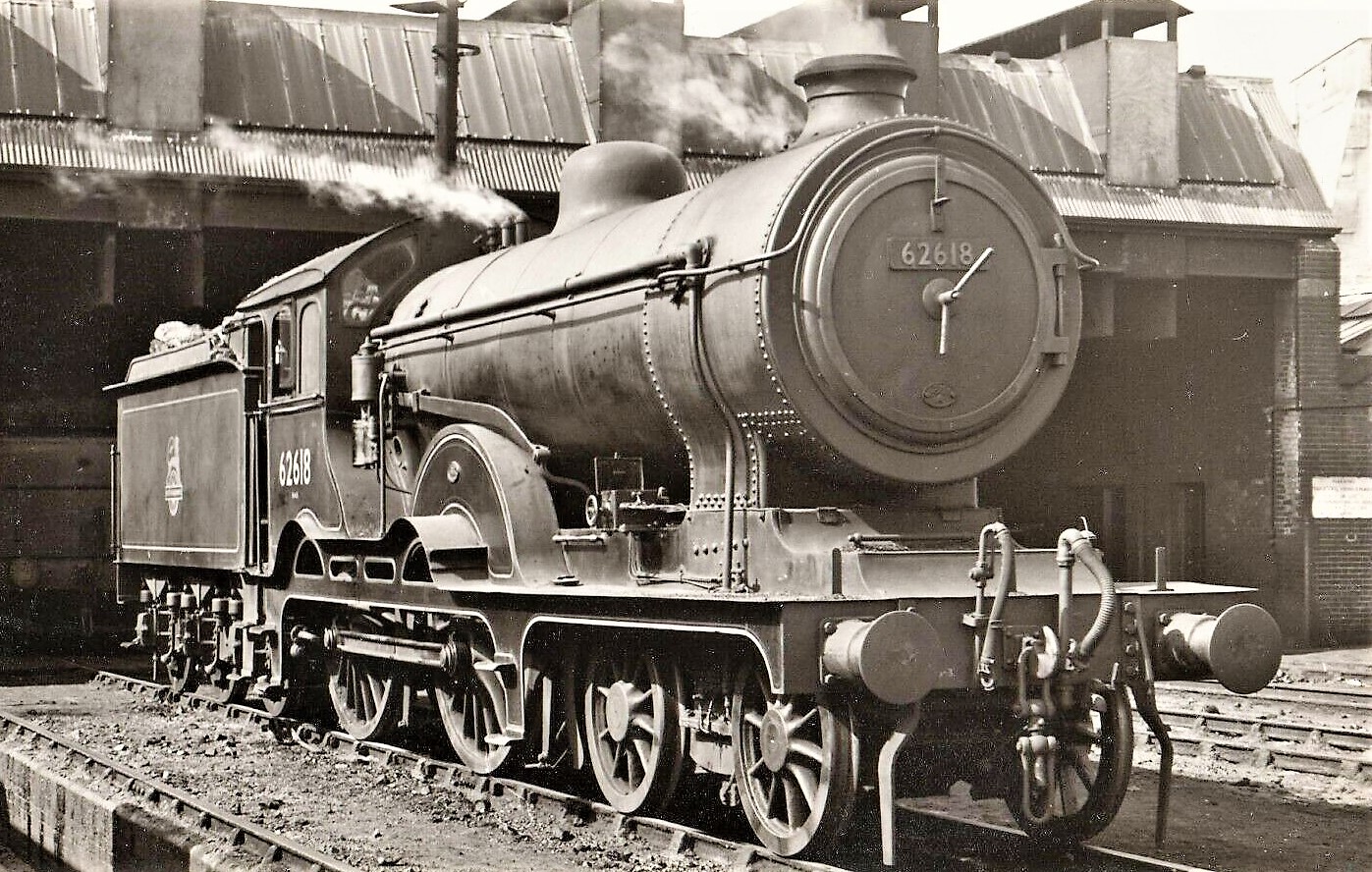
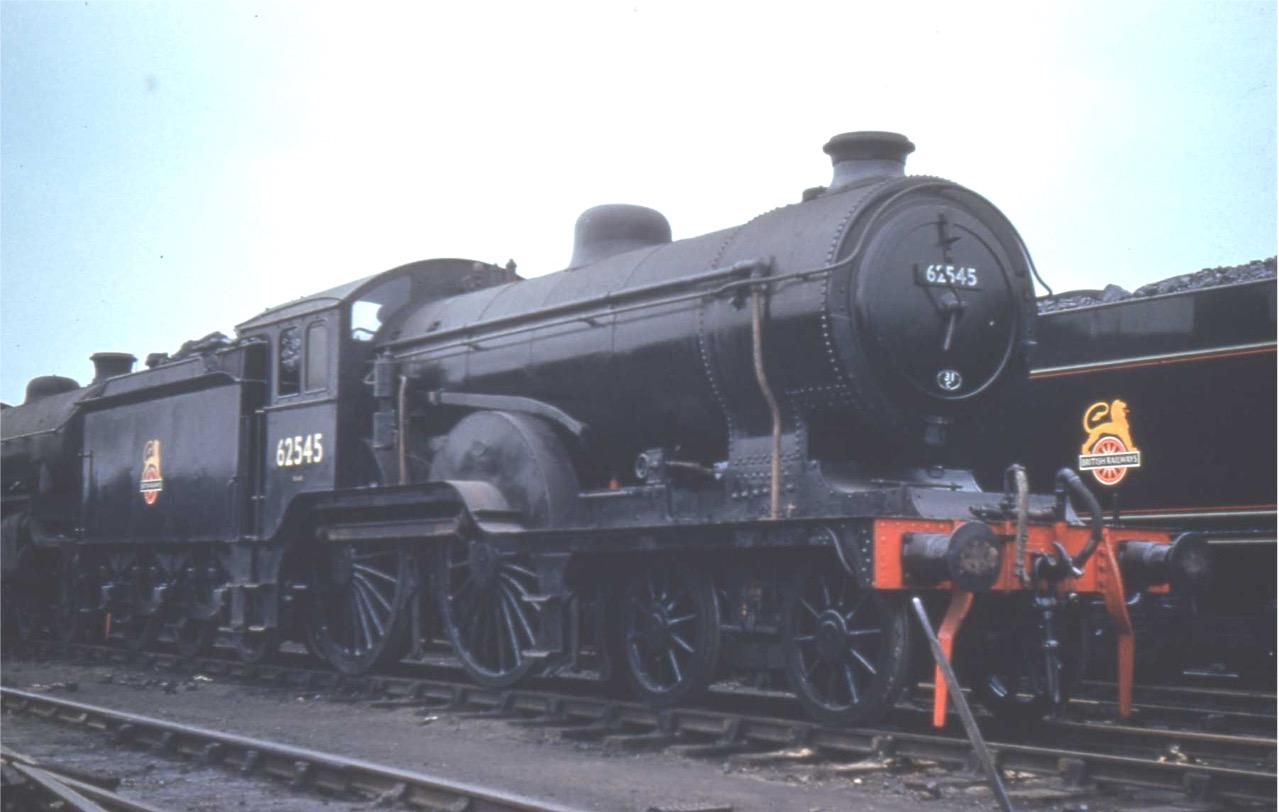
Withdrawals of the class began in 1945. The last of the class D15s was withdrawn in 1952, and the last of the class D16/3s were withdrawn in 1960. None survived into preservation.