Raven class C7
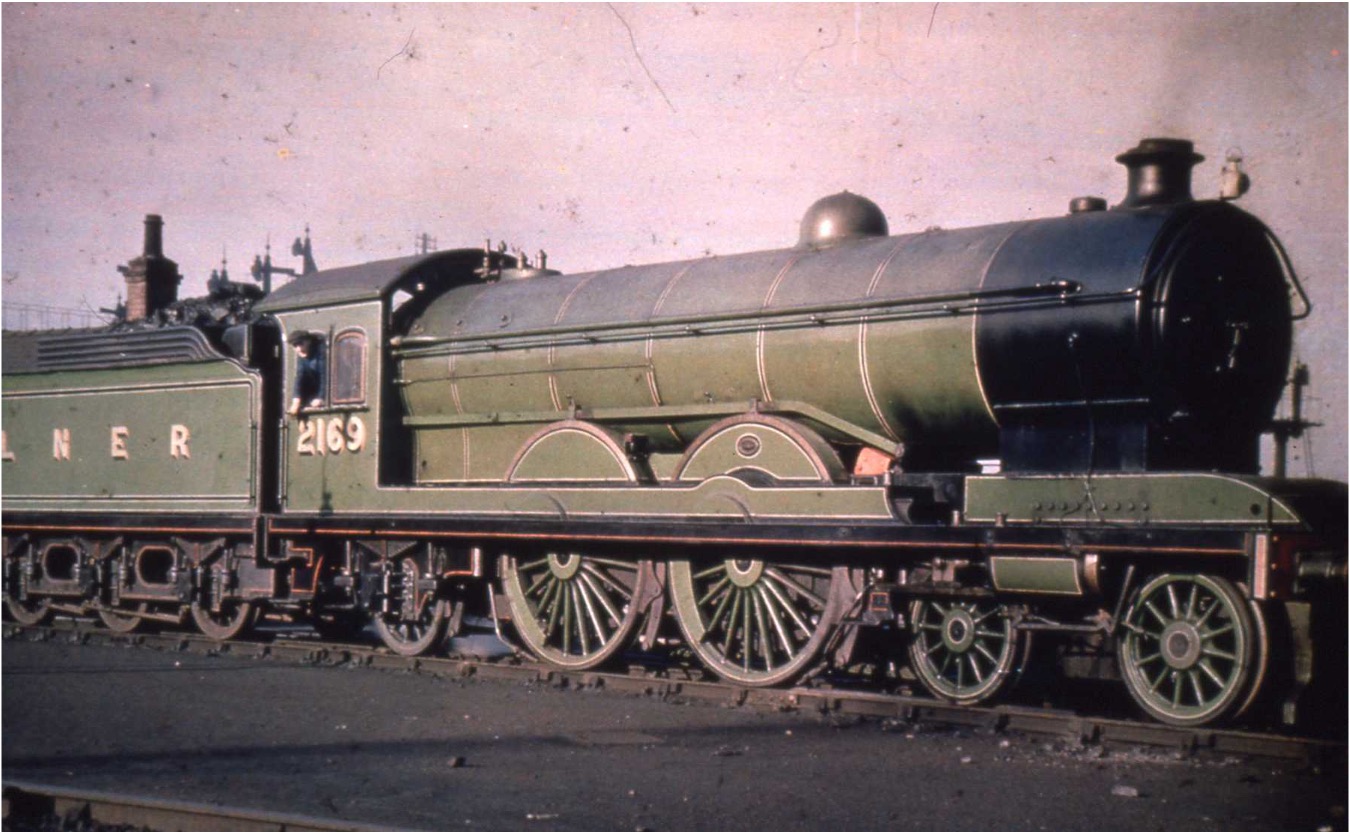
The North Eastern Railway class Z (LNER class C7) 4-4-2 ‘Atlantics were designed by Sir Vincent Raven for express passenger services and introduced in 1911.
The LNER class C7, originally known as NER Class Z, was a series of three cylinder 4-4-2 ‘Atlantic’ locomotives designed by Vincent Raven, introduced in 1911, for express passenger services.
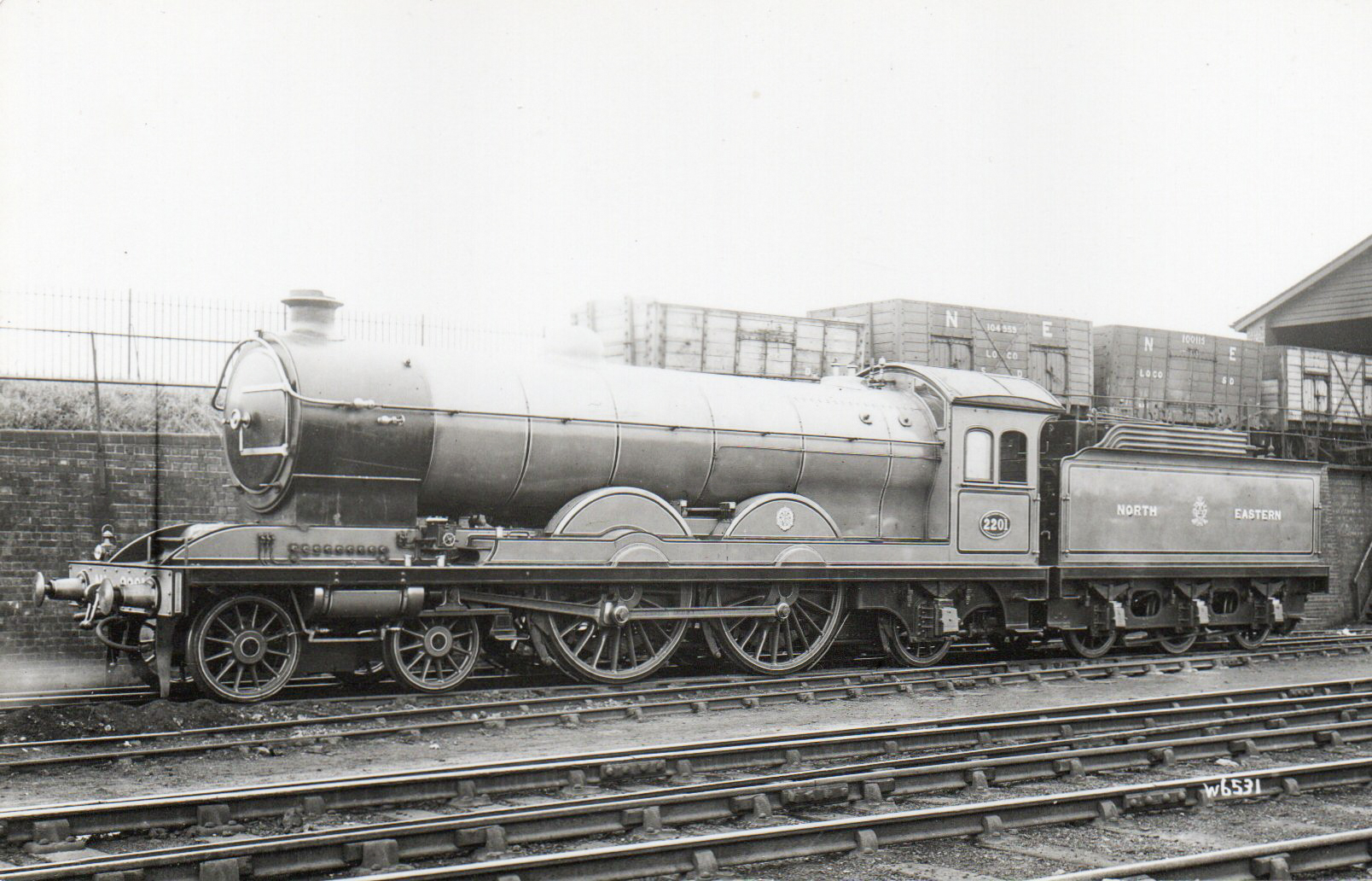
The first batch of class C7 locomotives was built in 1911 by the North British Locomotive Company. A total of fifty were produced between 1911 and 1918. Initially, the first twenty locomotives were built with a mix of saturated and superheated boilers. However, all subsequent locomotives were constructed with superheated boilers, which improved efficiency and performance, leading to all class C7s being retrofitted with superheated boilers by 1915.
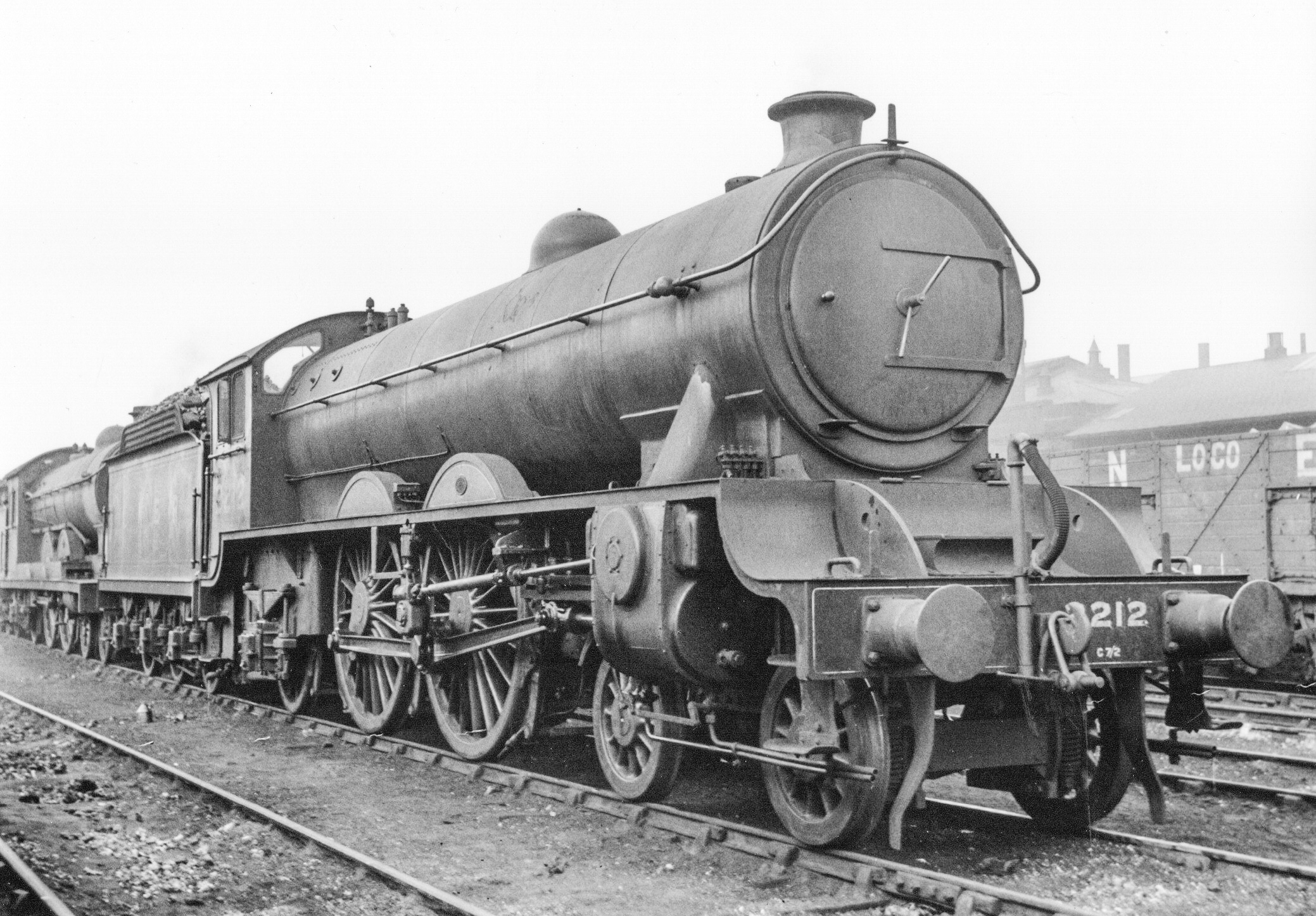
The last of the 50 locomotives, No. 2212, was built with Stumpf Uniflow cylinders. This arrangement had been used on LNER class B15 No. 825 with an untidy result, however the arrangement had been improved for No. 2212. Double-length cylinders were required, thus a longer front bogie and smaller wheels were fitted. This arrangement, although requiring special attention (as with No. 825) was used until 1934, when No. 2212 was fitted with normal cylinders and Lentz rotary cam poppet valves by Gresley.
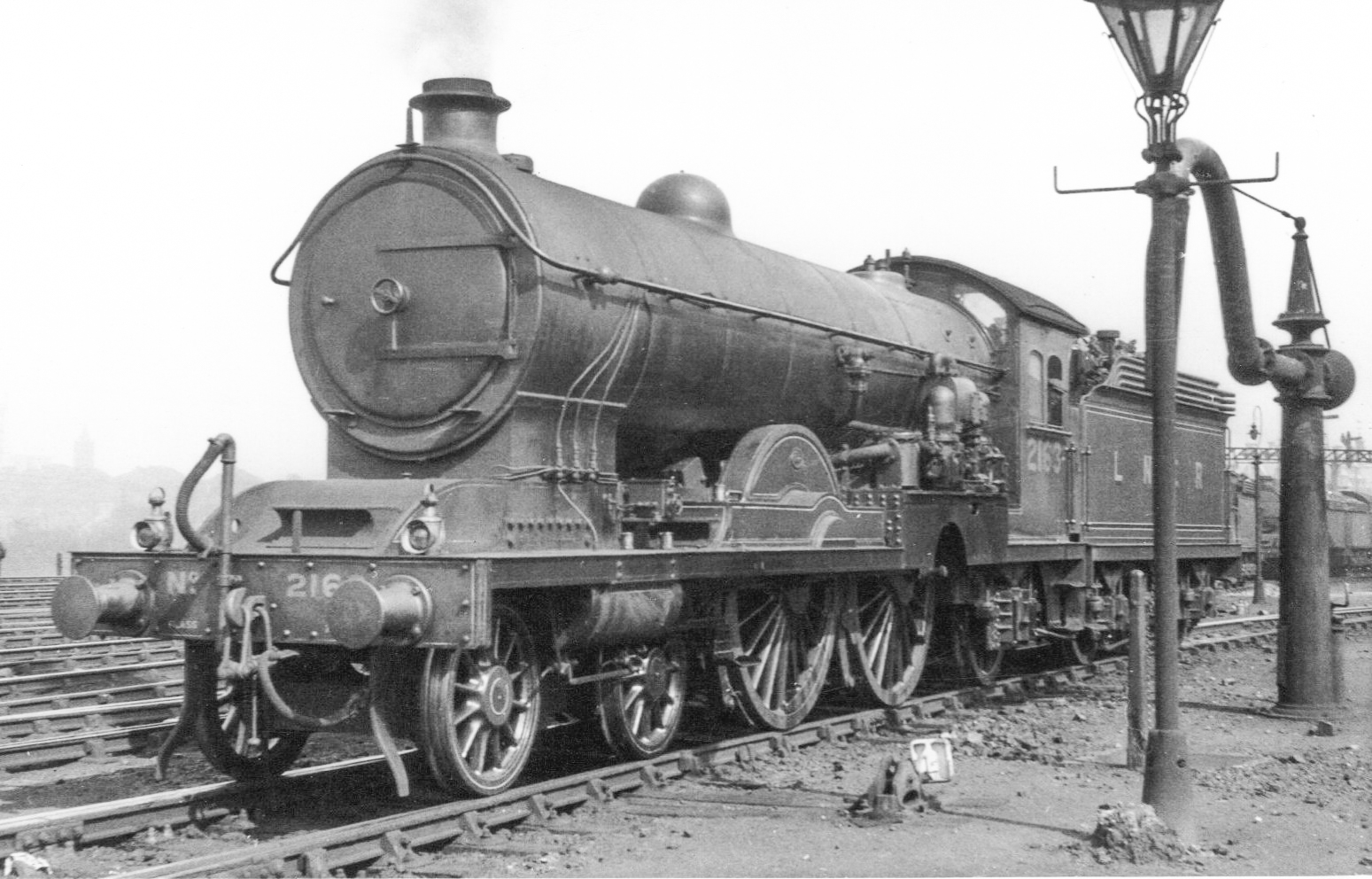
The Dabeg feedwater heater was tried out by Gresley on two locomotives in the 1920s, and C7 No. 2163 was one of those selected for fitment (the other being class O2 No. 3500). The equipment was fitted to No. 2163 in 1928 and removed in 1937.
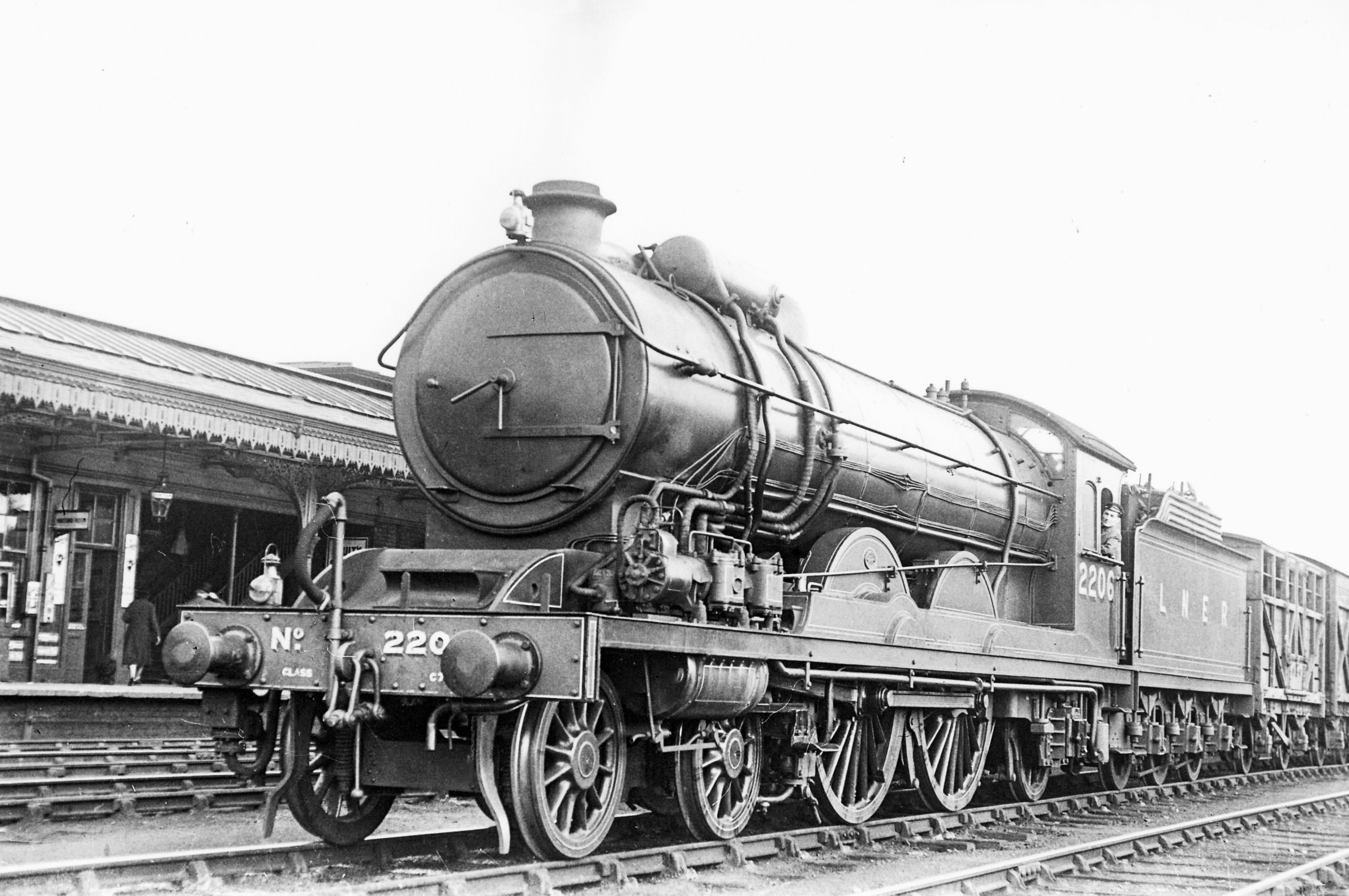
The ACFI system was French, and the LNER made more extensive use of it – several class B12 locomotives were given this equipment, as were two class C7, No. 728 and No. 2206. The equipment was fitted to these in 1928 by Gresley, and although the trial officially ended in 1937, the equipment was not removed until 1941–42.
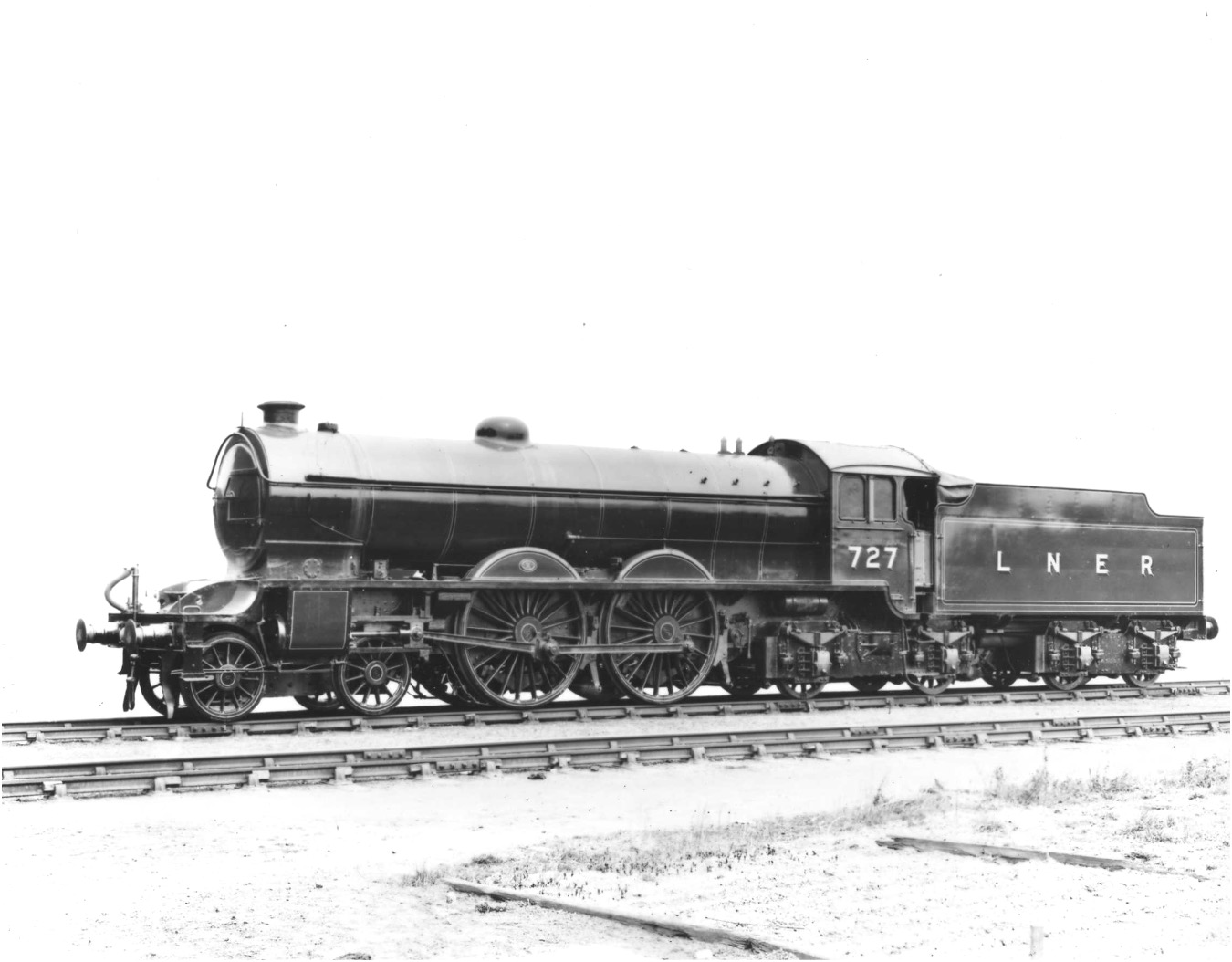
In early 1931, Gresley rebuilt No. 727 and No. 2171 (which were entering Darlington for repairs) with an articulated booster bogie, thus making them technically 4-4-4-4s. However the articulated bogie was considered split between the loco and tender to simplify classification. The boilers were Diagram 100 boilers (as used on the class B17s. The boosters were manufactured by J. Stone & Co, and the geared axles by David Brown & Co. The growing amount of Gresley ‘Pacifics’ made the experiment redundant.
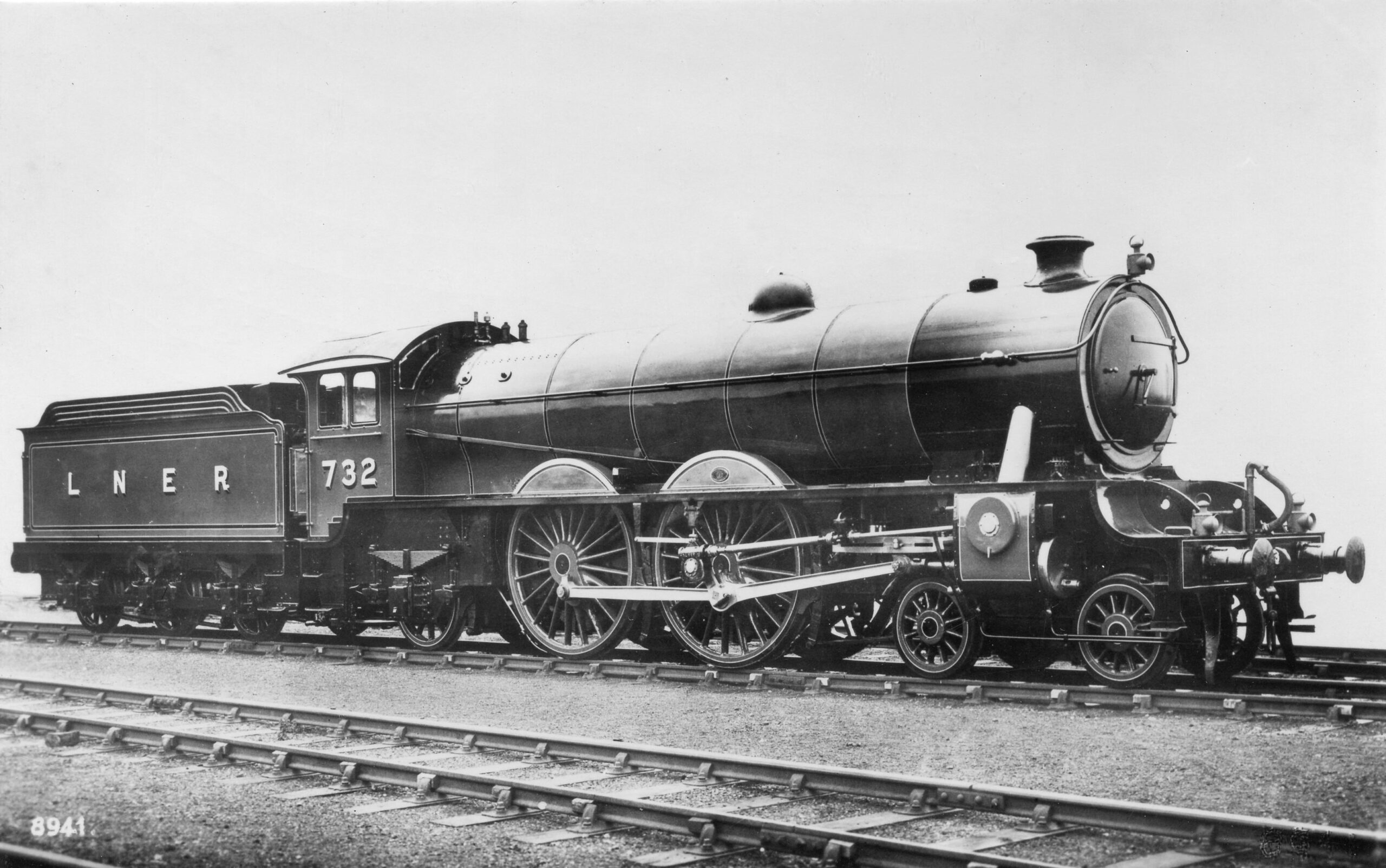
In 1933, Gresley rebuilt No. 732 with new cylinders of the same type as used on class D49/2 with poppet valves actuated by Lentz rotary cam valve gear, which provided five different cut-off settings for forward running, and two for reverse. The modifications required a new crank axle and new bogie having smaller wheels, which was mounted further forwards. This locomotive also had other modifications, and was designated class C7/2, the unmodified locomotives being reclassified class C7/1. In 1934, No. 2212 (the former Uniflow locomotive) was similarly modified, except that the valve gear allowed seven different settings for forward running, and two for reverse.
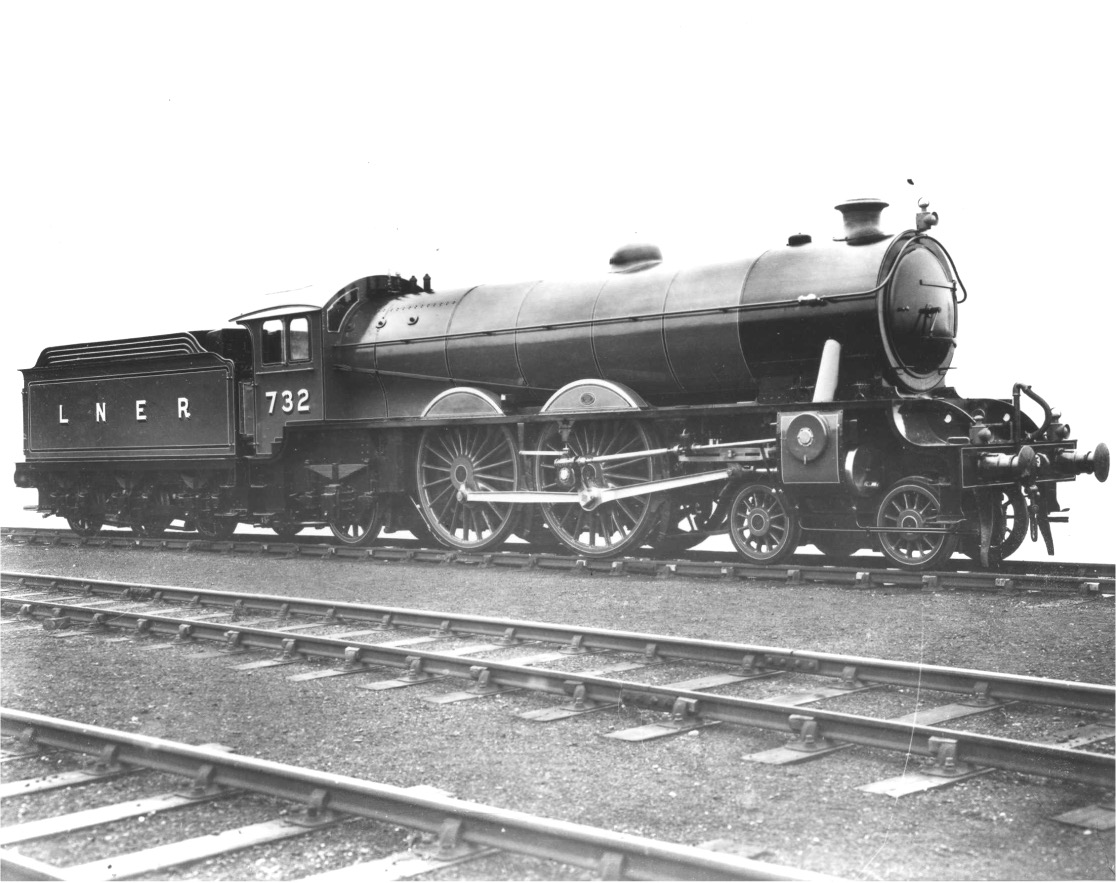
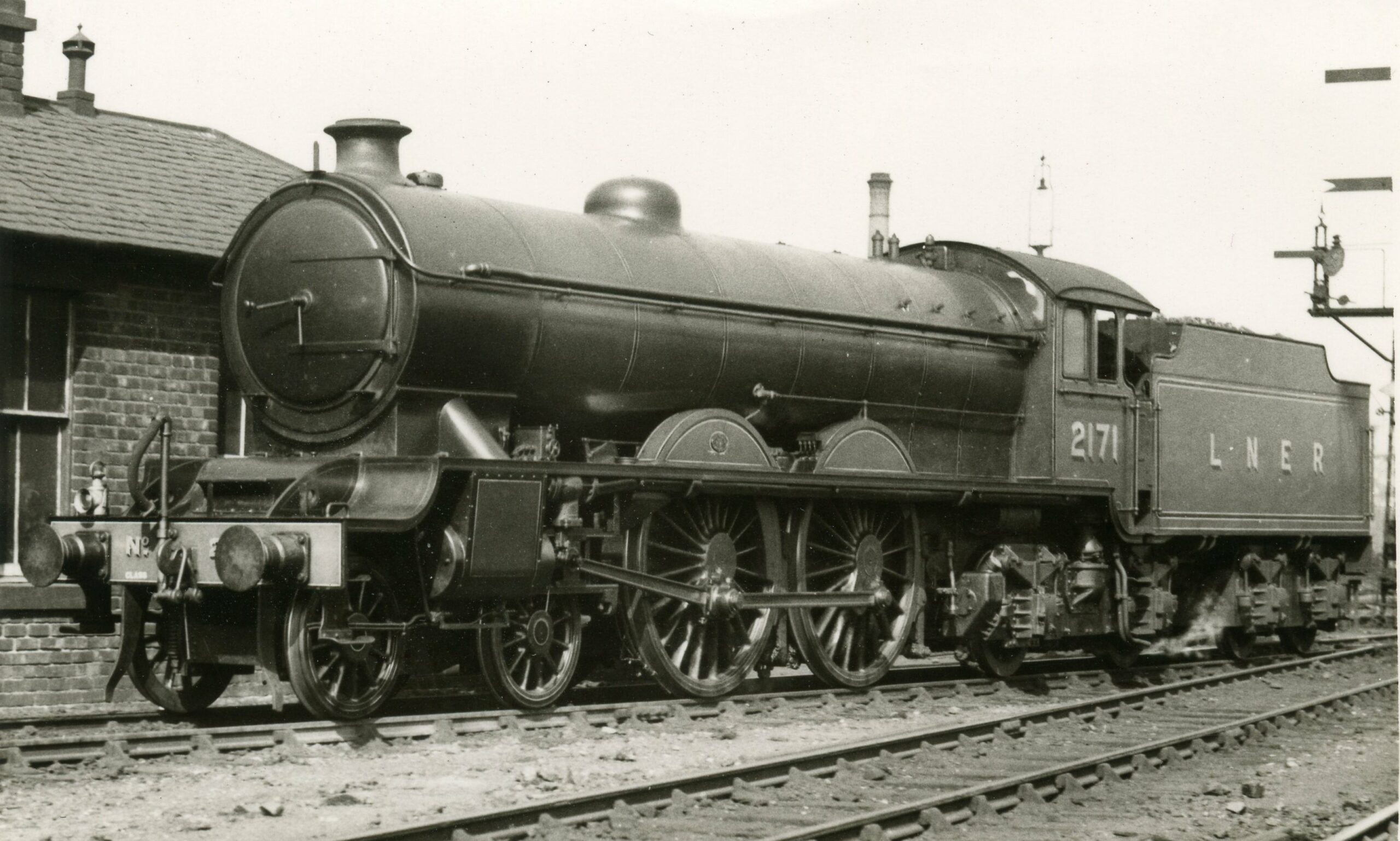
By the late 1930s, the new class V2s were taking away the duties of the class C7s. Had World War 2 not intervened, withdrawal would have started before 1940. Withdrawal started with the class C9s as their boilers were considered non-standard and they were scrapped in April 1942 (No. 2171) and January 1943 (No. 727). Withdrawal of the class C7s started in August 1943, with only 14 surviving to nationalisation. Within a year, British Railways withdrew the remaining class C7s, with none surviving into preservation.