Ivatt class C1
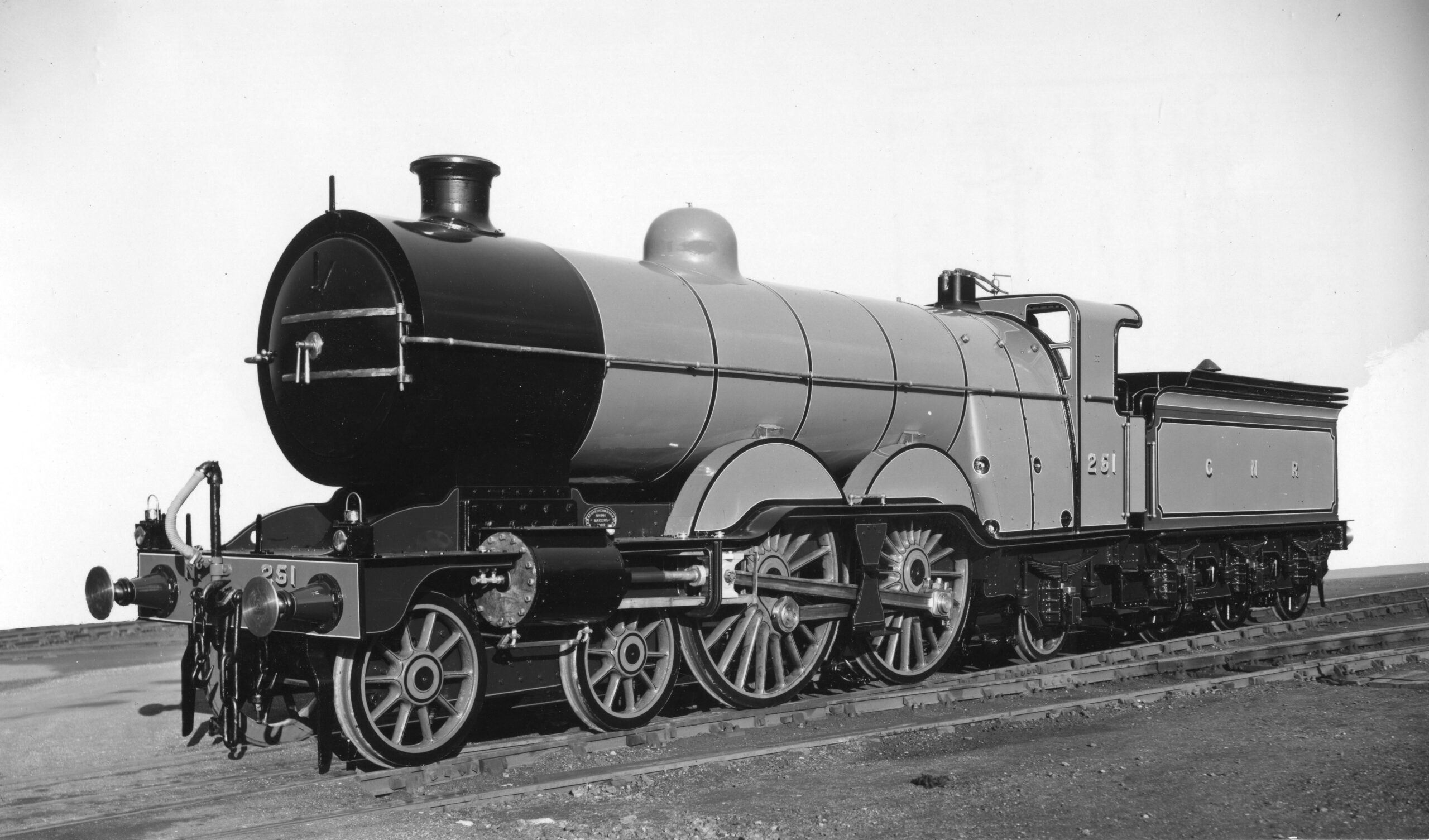
The Great Northern Railway class C1 ‘Atlantic’ 4-4-2s were designed by Henry Ivatt for express passenger service and introducted in 1902.
The LNER class C1, originally designed by Henry Ivatt, were developed from the earlier smaller-boilered GNR class C1 (LNER class C2) design, with the first locomotive, No. 251, introduced in 1902. A total of 94 locomotives were built between 1902 and 1908. These locomotives were designed to haul the fastest and heaviest express trains on the Great Northern Railway.
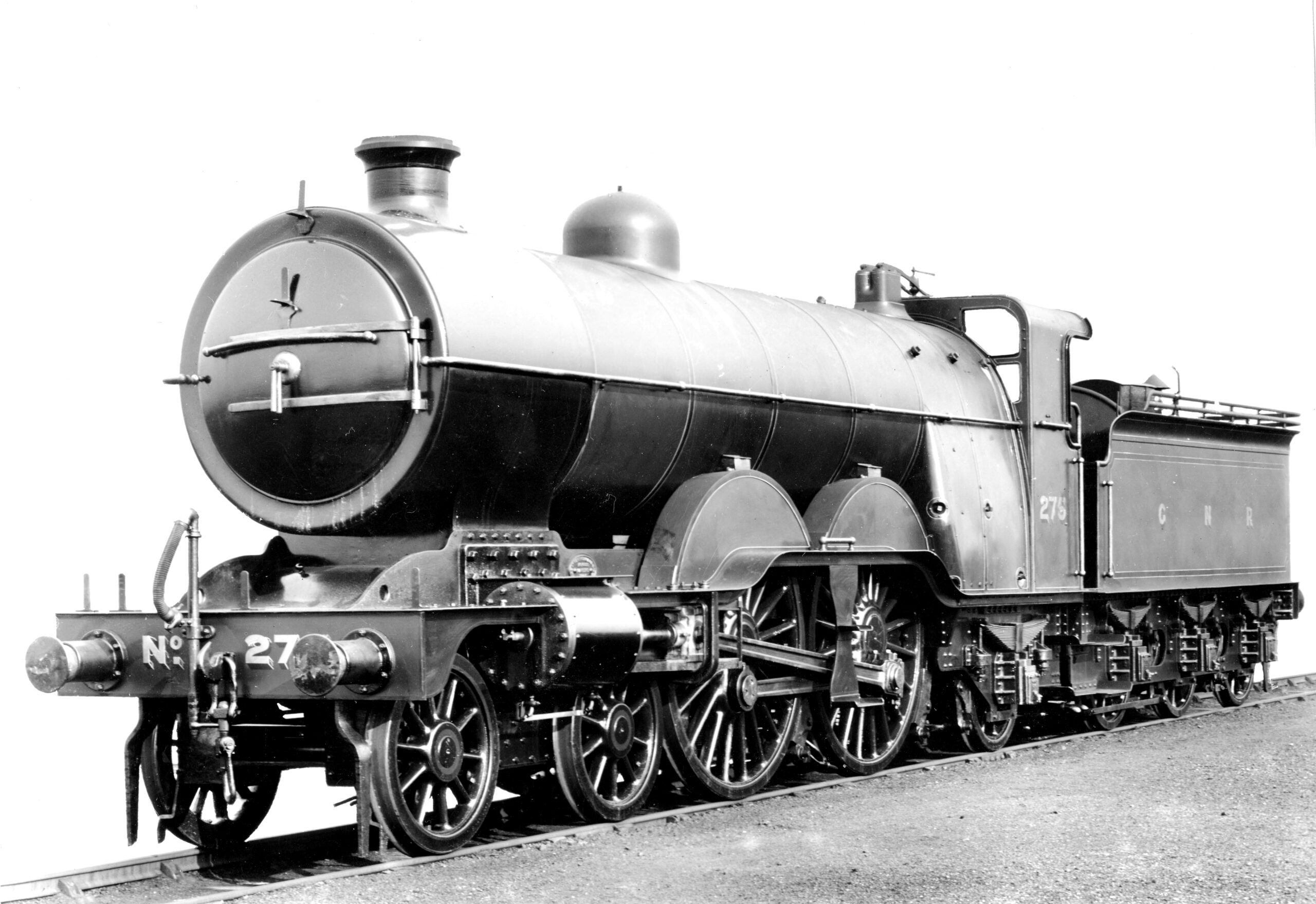
The first locomotive, No. 251, was introduced in 1902, with eighty more being built at Doncaster Works between 1904 and 1908. Although they suffered from a number of teething troubles, the ‘Atlantics’ were generally very successful. They were originally fitted with slide valves, but later gained piston valves, which produced a notable improvement in performance.
The class C1 locomotives were equipped with a large boiler, which was crucial for steam generation. The boiler diameter was increased to 5ft 6in (1.68 m), enhancing the locomotive’s power and efficiency. These locomotives were capable of reaching speeds of up to 90 mph (145 km/h) and could haul trains weighing over 500 tons.
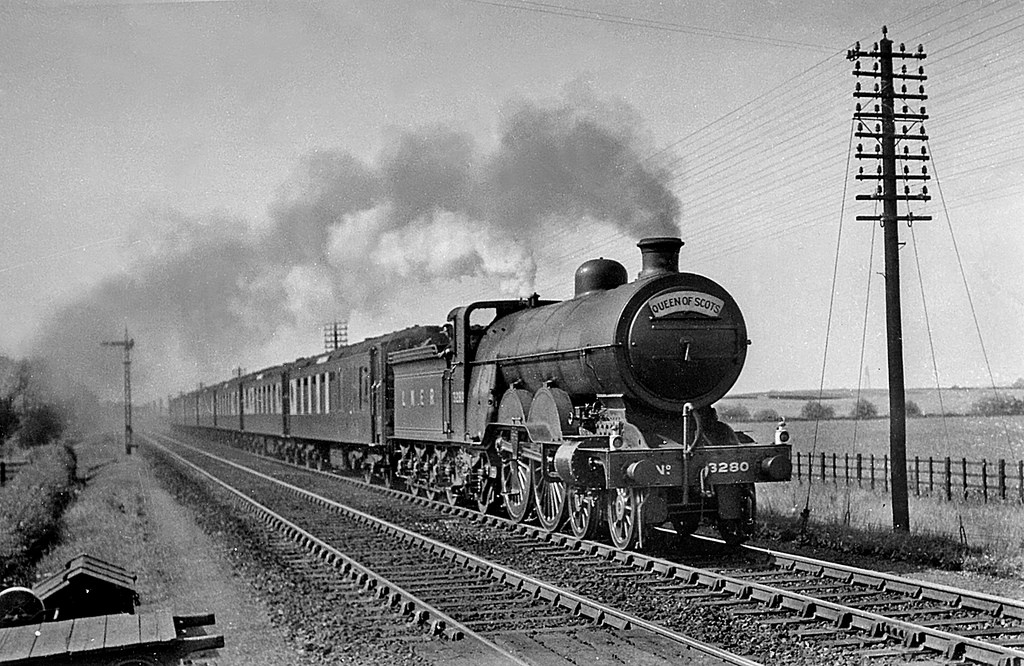
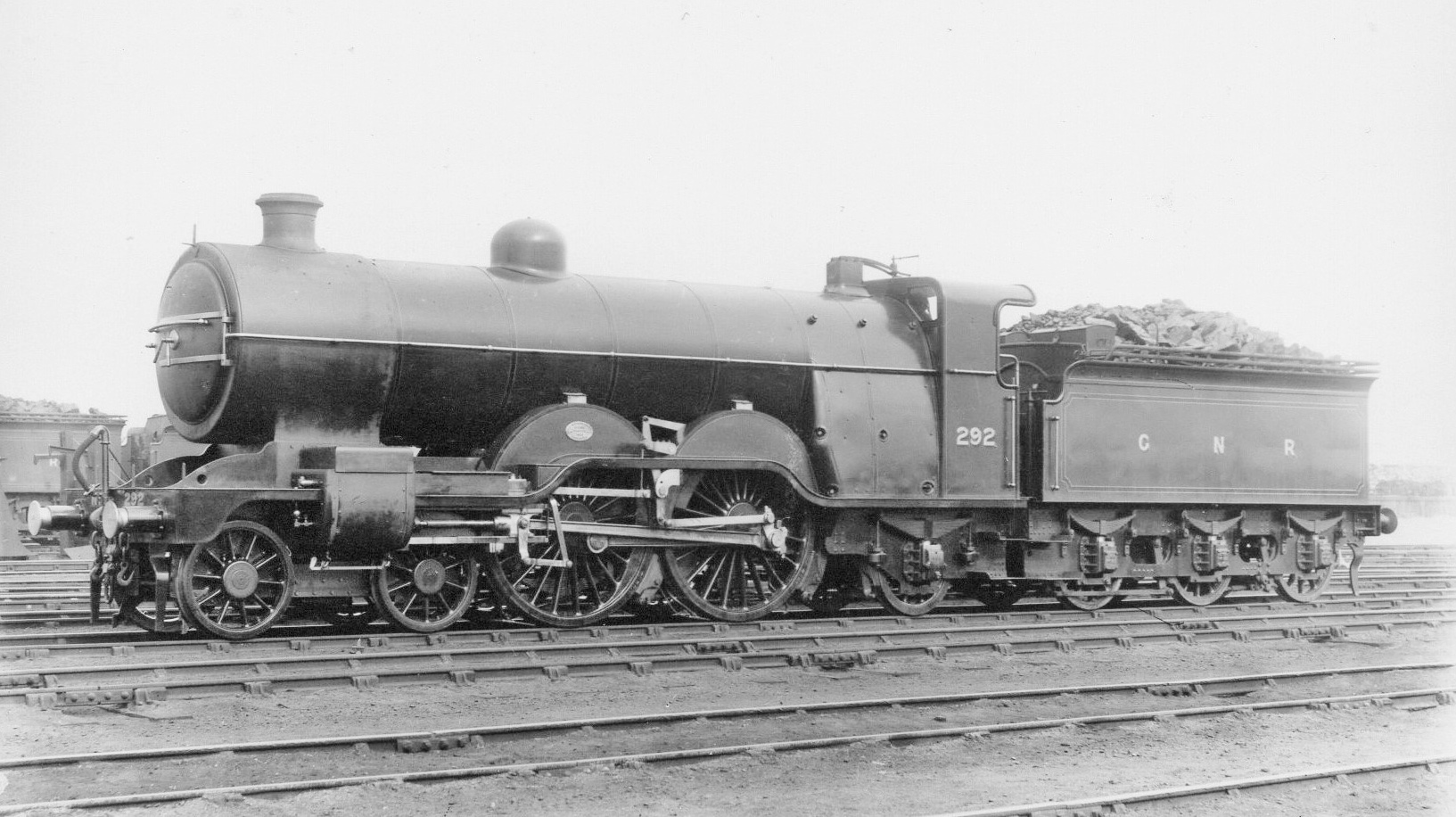
No. 292, built at Doncaster in 1904 (but not entering service until 1905), was a four-cylinder compound. The valves were arranged so that the locomotive could work either as a compound or as a four-cylinder simple. This locomotive was withdrawn in 1927 and scrapped in 1928.
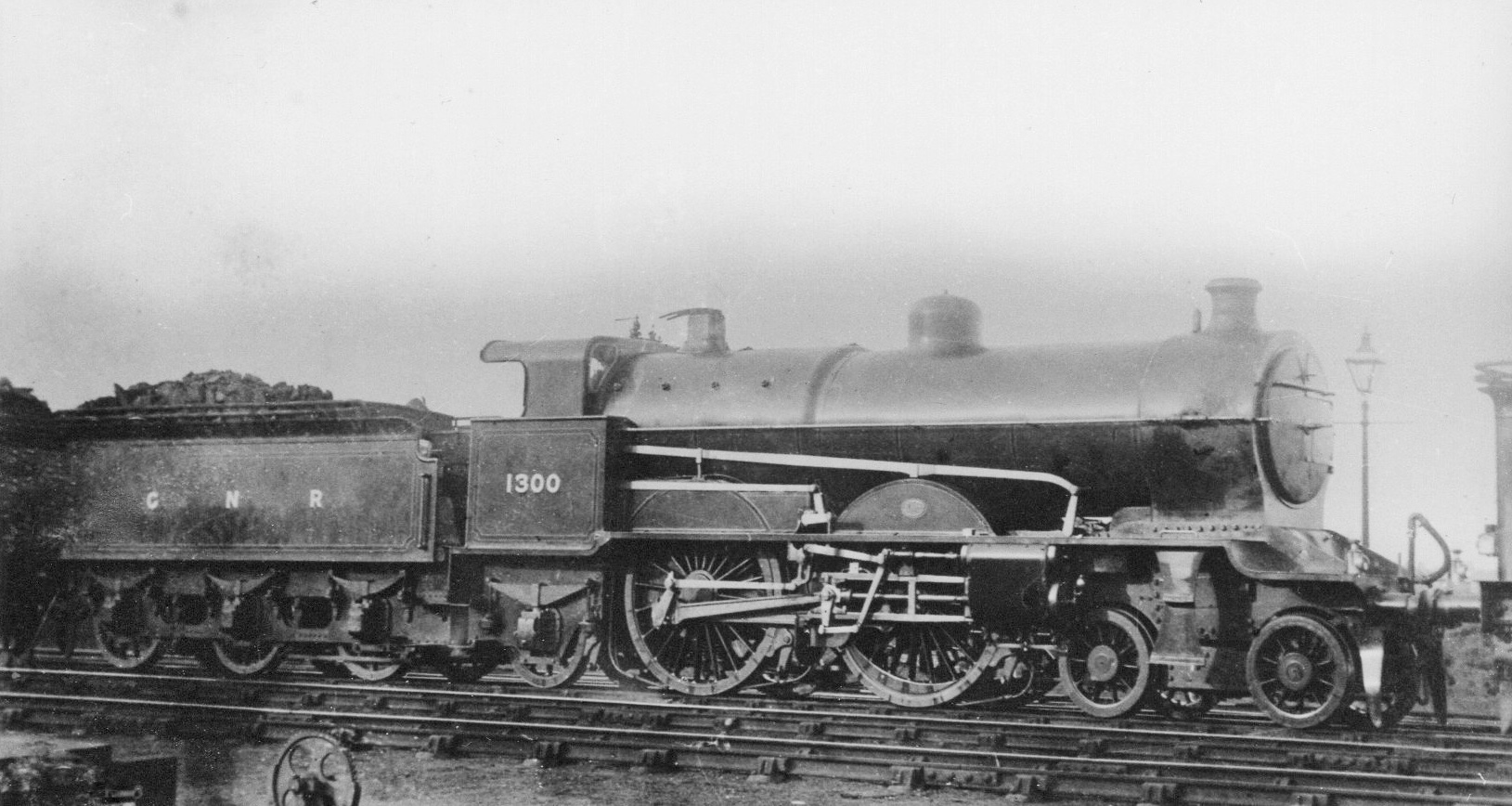
No. 1300, another four-cylinder compound, was an experimental locomotive which differed greatly from all of the others. It was built by Vulcan Foundry in 1905, largely to their own design although to Ivatt’s specifications. As with No. 292, the high-pressure cylinders were outside, driving the rear coupled wheels, whilst the low-pressure cylinders were inside, driving the front coupled axle. The locomotive worked as a two-cylinder simple on starting, changing over to compound expansion automatically. A superheater was fitted in 1914, and the engine was rebuilt as a two-cylinder simple in 1917; the new cylinders were outside, 20in by 26in (510mm by 660mm) of the type used on class H3, driving the leading coupled wheels. It was withdrawn in 1924.
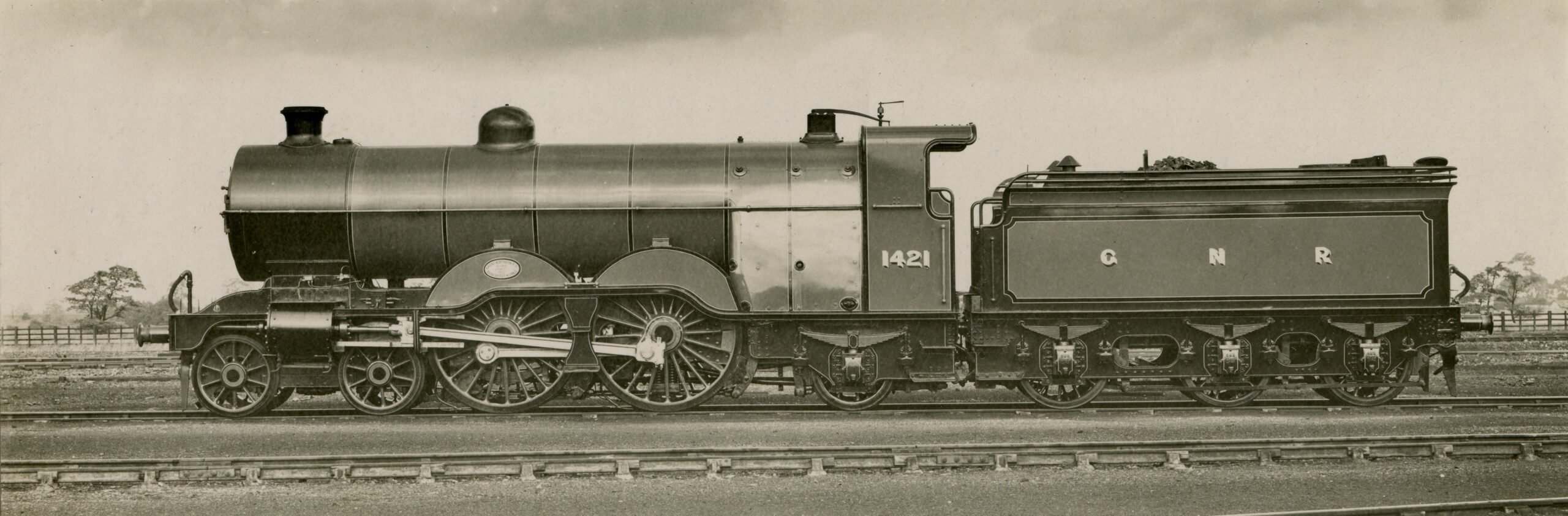
No. 1421, built at Doncaster in 1907 was again a four-cylinder compound, but differed from No. 292 in a number of ways; in particular, the inside cylinder diameter was increased to 18 in (460 mm). It was superheated in 1914 and rebuilt in 1920 as a two-cylinder simple with piston valves. It was then generally similar to the standard engines after they had been superheated, and it ran until 1947.
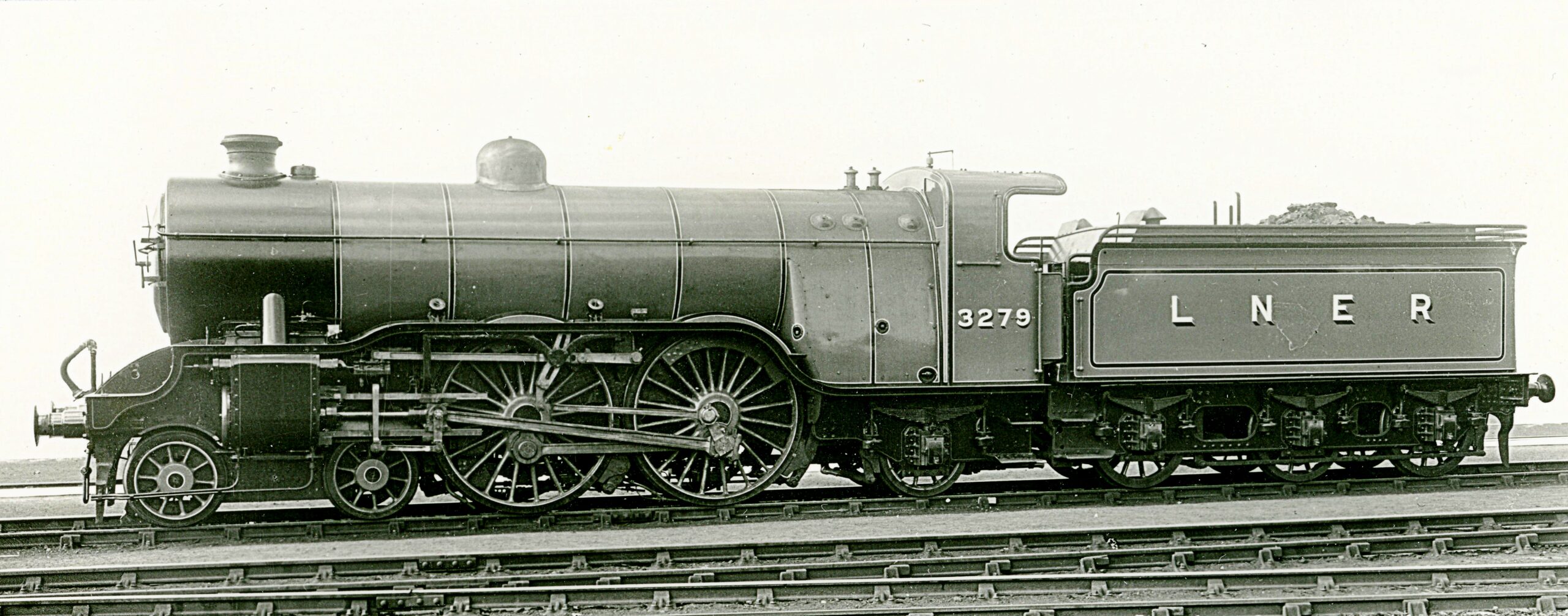
No. 279 was rebuilt in 1915 by Gresley with four cylinders 15in by 26in (380mm by 660 mm) utilising simple expansion and driving the rear coupled axle. It was rebuilt back to a two-cylinder simple in 1938, but using 20in by 26in (510mm by 660 mm) cylinders of the type used on class K2 having the piston valves above the cylinders; in this form it ran until 1948.
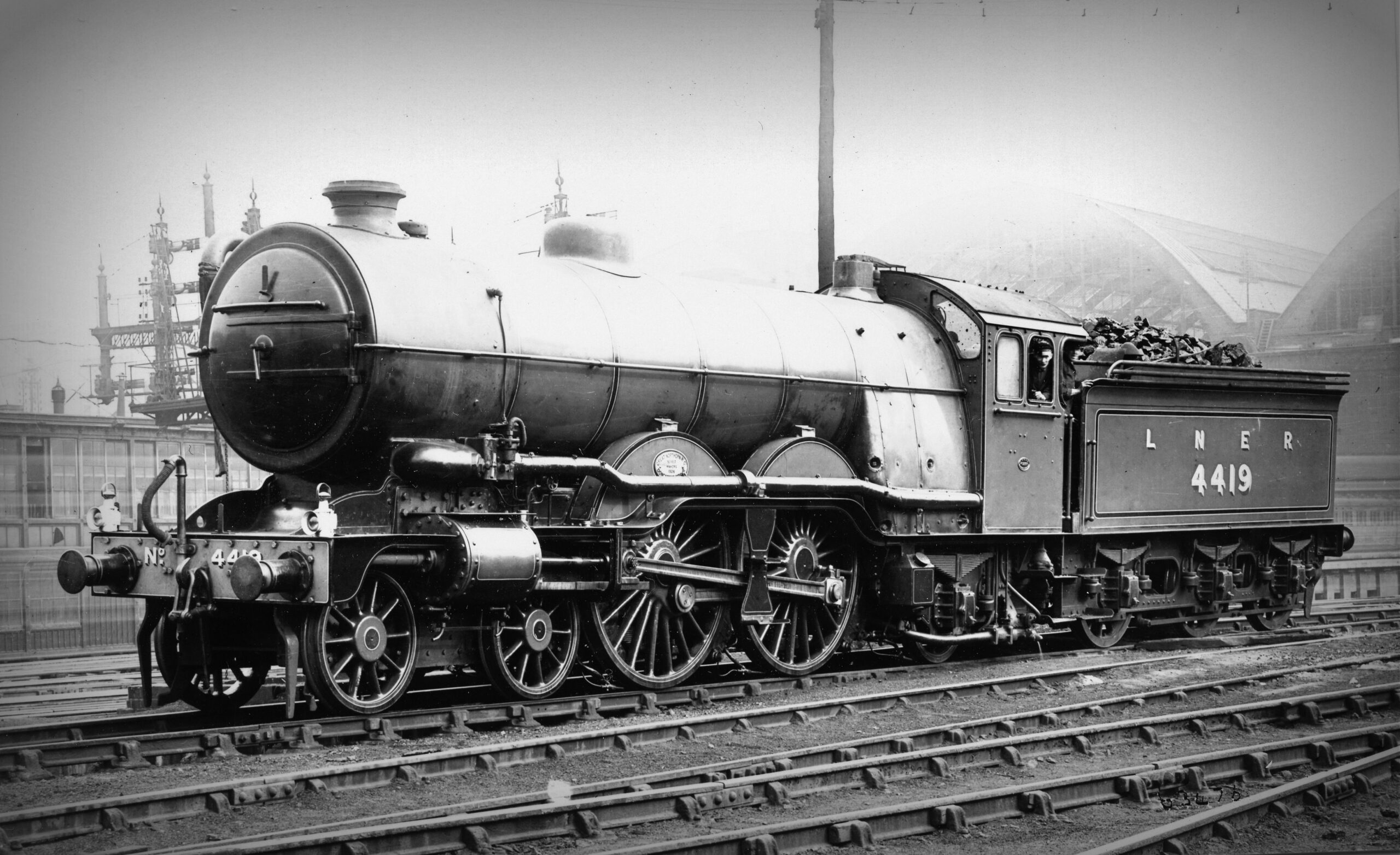
No. 1419 (renumbered No. 4419 in May 1924) was equipped with a booster engine on the trailing axle in July 1923 by Gresley; to accommodate this, the frames were lengthened at the rear, which also allowed a larger cab to be fitted. At the same time, the locomotive was given a superheater and piston valves, in line with others of the class. The booster, being for extra power at very low speeds, were little use at speeds over 25 mph (40 km/h) and was permanently removed in November 1935.
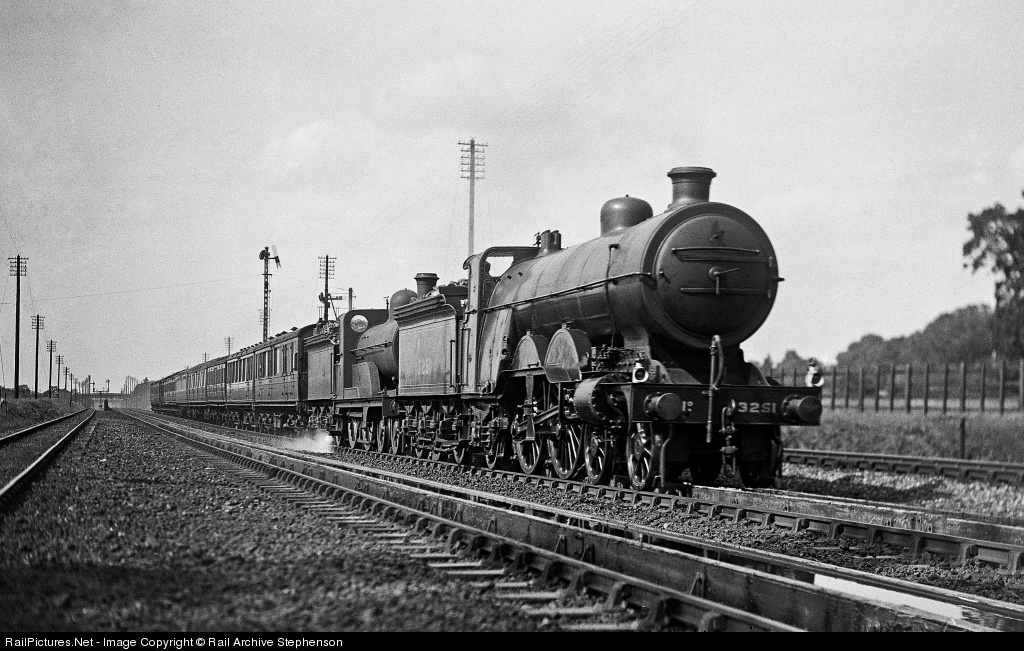
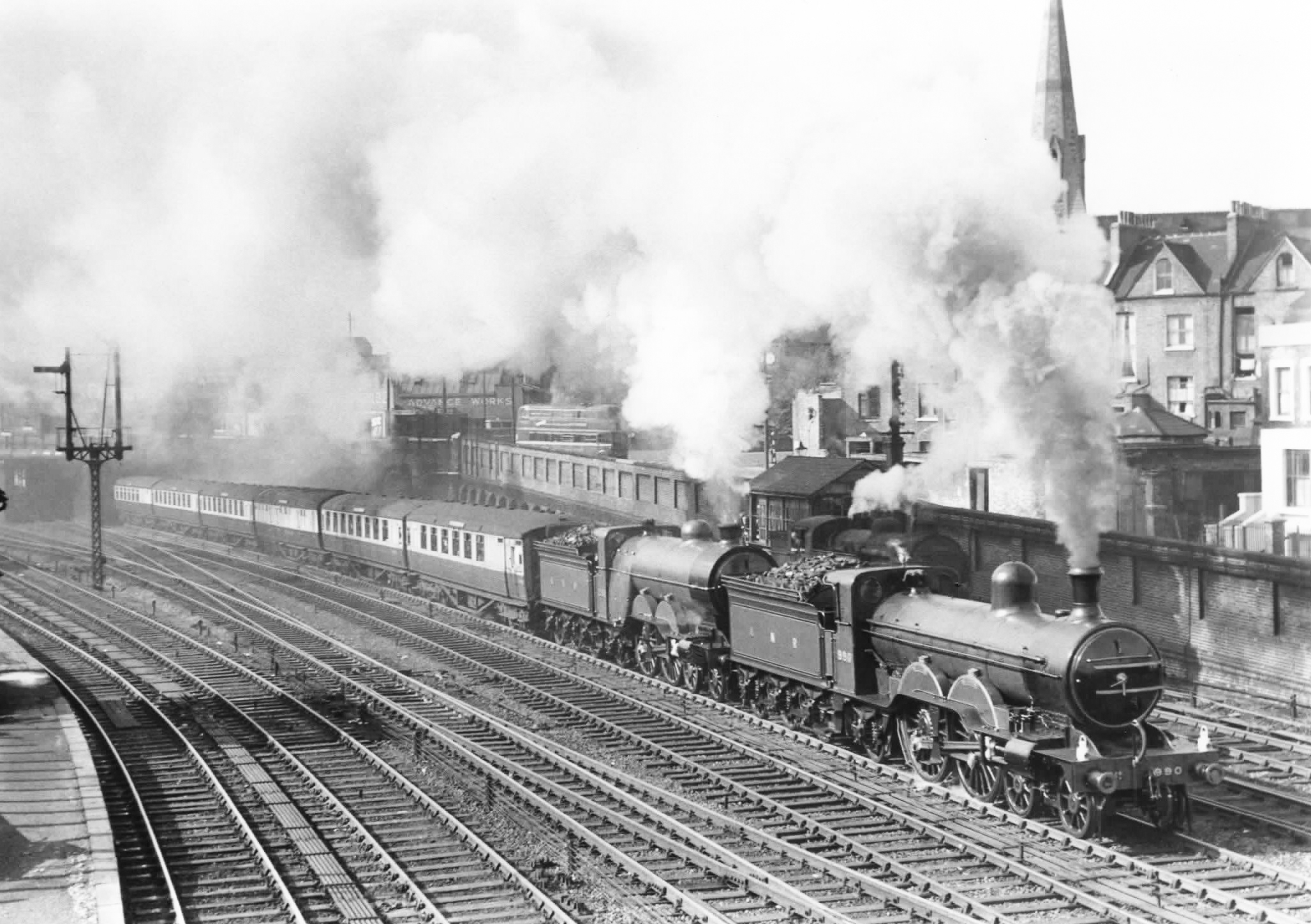
The class C1s were eventually superseded on the heaviest trains by the Gresley class A1 ‘Pacifics’ in the early 1920s. They continued to haul lighter expresses up until 1950, although this did include the ‘Harrogate Pullman’ for a period during the 1920s and 1930s. They were often called upon to take over trains from failed ‘Pacifics’ and put up some remarkable performances with loads far in excess of those they were designed to haul.
Seventeen class C1s entered British Railways service, albeit for a short time. The last locomotive in service was BR No. 62822, ex-GNR No. 294. On 26 November 1950 it hauled a train one way from King’s Cross to Doncaster to mark the end of the class C1s. Among the many on board was the son of H.A. Ivatt, H.G. Ivatt, who received one of the builder’s plates. On display at Doncaster was pioneer member No. 251, already preserved, and a number of modern locomotives. The return trip to London was hauled by Peppercorn class A1 Pacific 60123 H.A. Ivatt.
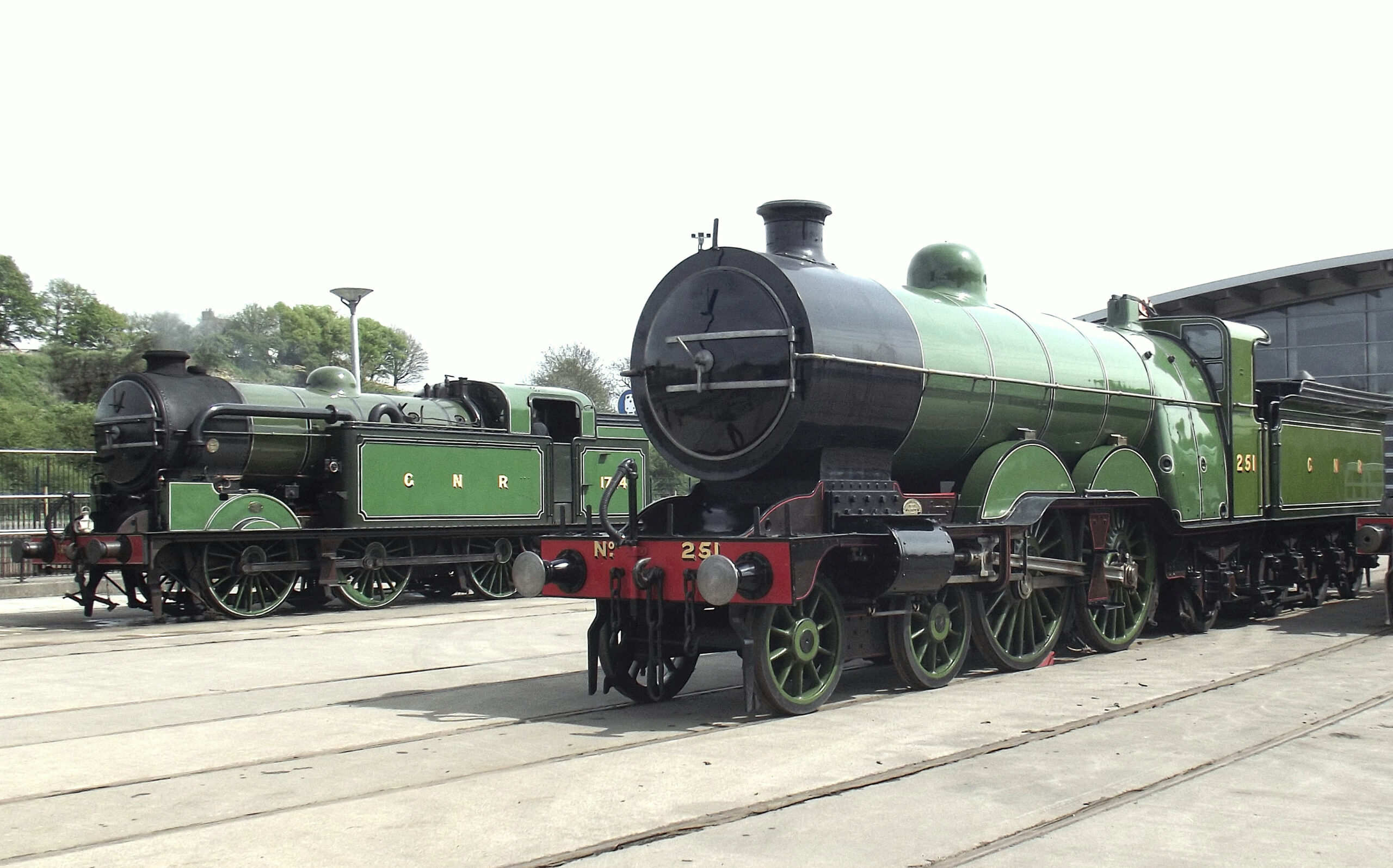
Pioneer No. 251, LNER No. 3251 (by 1923) and LNER No. 2800 (by 1946), had been saved for the National Collection even before the last one was withdrawn from revenue service in 1950. Restored to GNR livery, it is the only class C1 preserved. It joined preserved class C2 Atlantic pioneer GNR No. 990 Henry Oakley on two weekends of trips entitled ‘Plant Centenarian’ in 1953, celebrating the 100th anniversary of the Doncaster ‘Plant’ Works. On 20 September the two locomotives hauled the train from King’s Cross to Doncaster. LNER class A4 No. 2509 Silver Link (BR No. 60014) brought the train back to London. Since 2021 No. 251 has been on loan to the Danum Gallery, Library and Museum in Doncaster.
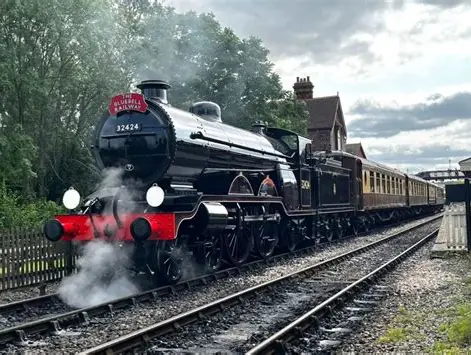
Two class C1 boilers, one of which belonged to No. 3287, were discovered at a factory at Essex in 1986. The boiler that once belonged to No. 3287 was in good condition and was purchased by the Bluebell Railway for their class H2 project while the other boiler was scrapped due to it being in bad condition. Marsh ‘Atlantic’ No. 32424 Beachy Head was completed in 2024.