
Robinson class B7
The Great Central Railway class 9Q (LNER class B7) 4-6-0s we designed by John G. Robinson for mixed traffic work and introduced in 1921.
The LNER class B7, originally known as the GCR class 9Q, was a series of 4-6-0 mixed traffic locomotives designed by John G. Robinson, known for their versatility and heavy coal consumption.
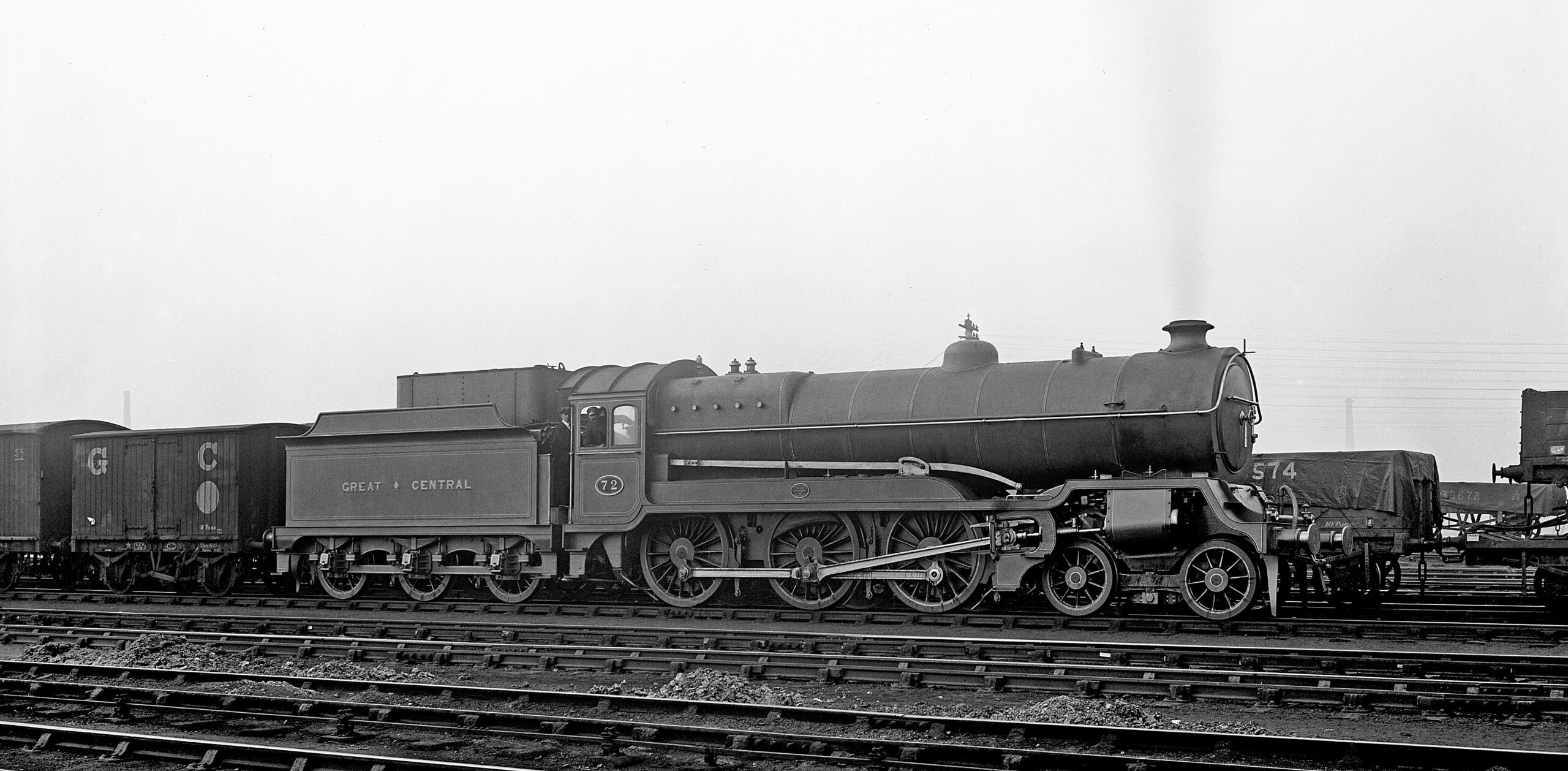

The class B7 locomotives featured a 4-6-0 wheel arrangement, which allowed for a balance between speed and hauling capacity. They were designed for mixed traffic, capable of handling both passenger and freight services.
A total of thirty eight class B7s were built between 1921 and 1924, in five batches. The first four batches were built by the GCR between 1921 and 1922, and were classified as class B7/1. The LNER ordered a final batch of ten locomotives that were built in 1923 and 1924. This final batch had their boiler mountings and cab height reduced to conform to the new LNER composite loading gauge, and were classified as class B7/2.


The class B7s were based on Robinson’s earlier Class 9P ‘Lord Faringdon’ express passenger class but had smaller driving wheels, which contributed to their mixed traffic capabilities. They were equipped with short-travel valve gear, which unfortunately led to high coal consumption, earning them nicknames like “Black Pigs” and “Colliers’ Friends”.
The class B7s were primarily used for fast goods, relief passenger, and excursion services. They were noted for their ability to pull heavy expresses despite their smaller wheel size.
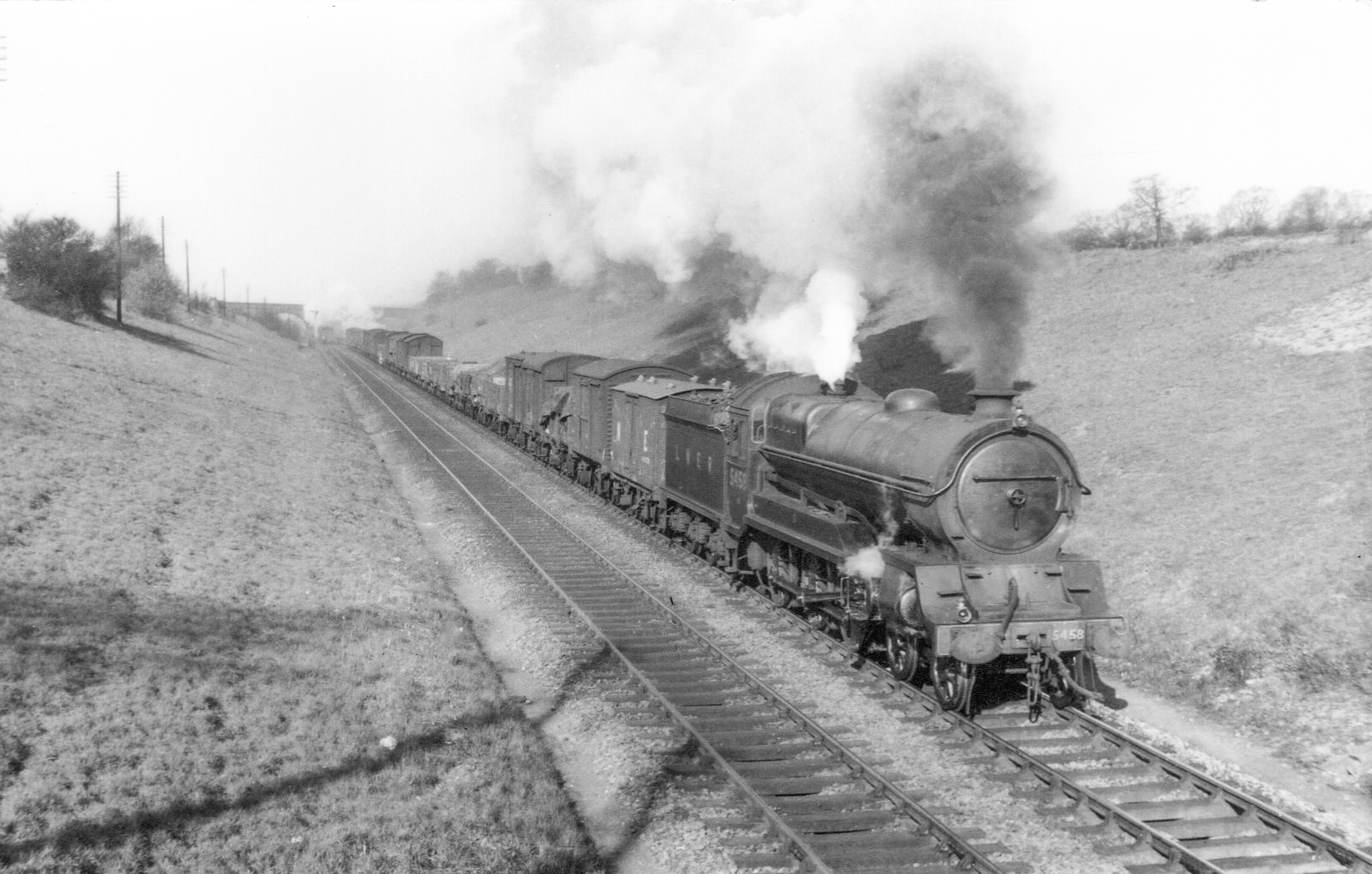
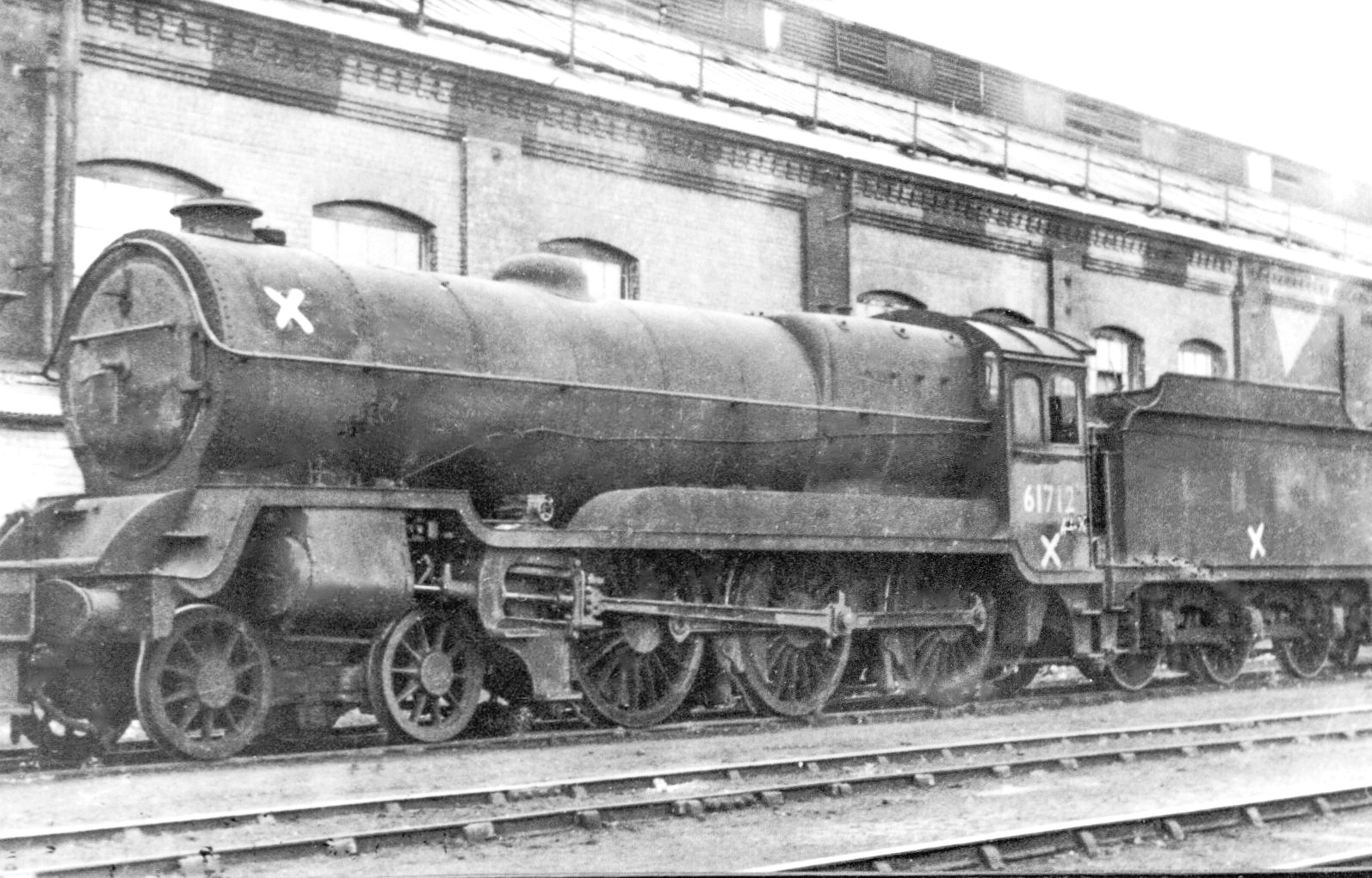
While the class B7s were criticized for their heavy coal usage, their performance was comparable to other locomotives of similar design during their operational period. They were considered one of Robinson’s most successful designs despite the drawbacks. All class B7 locomotives were eventually withdrawn from service by 1950.